
Moringa Today: Discover Nature’s Superpower Plant
Unleashing the Potential of the Miracle Tree for Health and Sustainability.
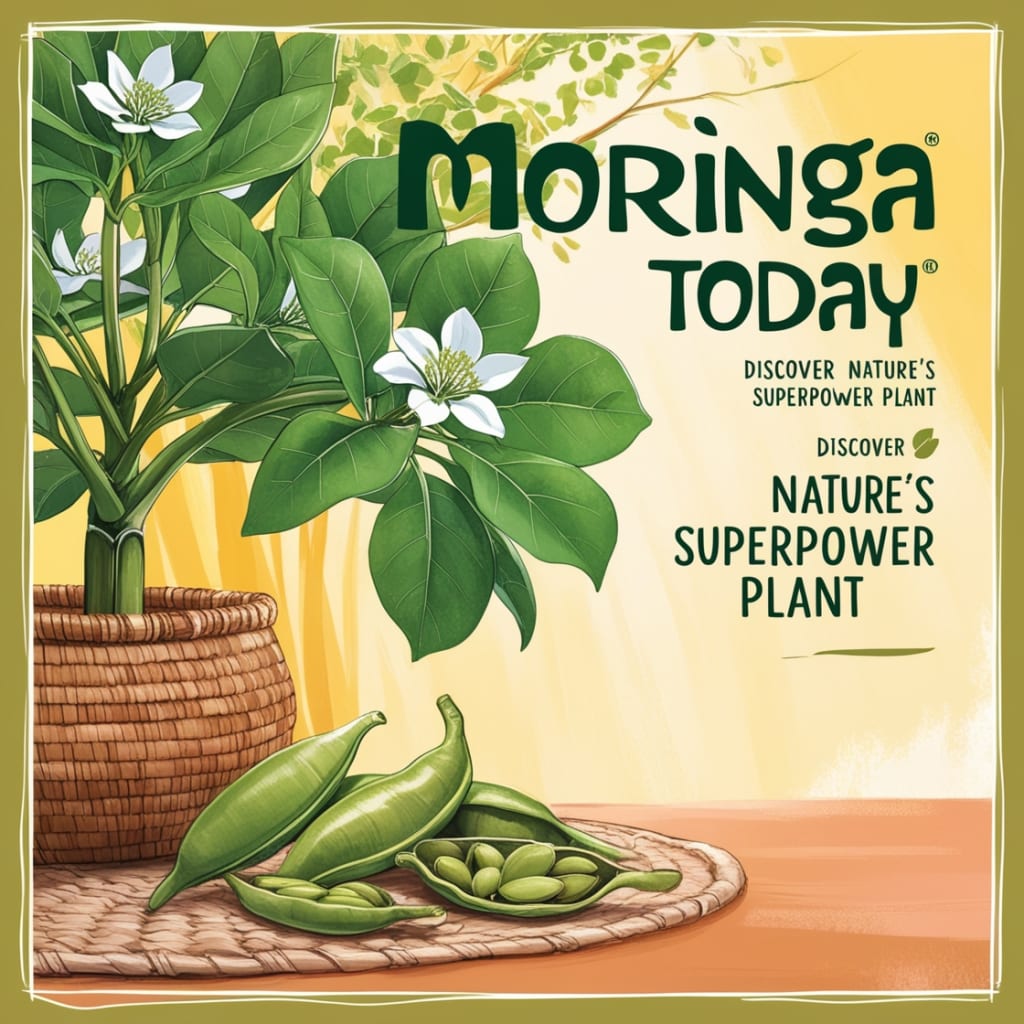
Moringa Today: Discover Nature’s Superpower Plant
Nature has gifted humanity with various plants that possess remarkable health benefits, but few compare to the incredible power of moringa. Known as the “Miracle Tree” or “Tree of Life,” moringa is celebrated for its immense nutritional and medicinal value. This article explores the wonders of moringa, offering a comprehensive look at its benefits, uses, and how it can enhance your well-being.
What is Moringa?
The Origin and History of Moringa
Moringa, scientifically known as Moringa oleifera, is a fast-growing, drought-resistant tree native to the foothills of the Himalayas in India. It has been used for centuries in traditional medicine and as a source of nutrition. Over time, its cultivation spread to tropical and subtropical regions worldwide.
Unique Characteristics of Moringa
Moringa is a hardy plant, capable of thriving in diverse climates and soil types. Its leaves, seeds, pods, and even roots are edible, making it a versatile plant for consumption. Rich in vitamins, minerals, and antioxidants, moringa has earned its reputation as a superfood.
Why is Moringa Called the “Miracle Tree”?
The nickname “Miracle Tree” stems from moringa’s exceptional ability to address malnutrition, improve health, and provide sustainable food sources in impoverished regions. Its nutrient density and wide-ranging health benefits make it a valuable resource.
Nutritional Profile of Moringa
Vitamins and Minerals Abundance
Moringa leaves are packed with essential vitamins and minerals. They contain high levels of Vitamin A, Vitamin C, calcium, potassium, and iron. These nutrients are vital for overall health, supporting immune function, bone strength, and energy production.
Rich Source of Antioxidants
Antioxidants such as quercetin and chlorogenic acid are abundant in moringa. These compounds help combat oxidative stress, reducing inflammation and protecting cells from damage.
Protein Powerhouse
Surprisingly, moringa is a significant source of plant-based protein. It contains all nine essential amino acids, making it a complete protein source ideal for vegetarians and vegans.
Health Benefits of Moringa
Boosts Immunity
The rich vitamin content in moringa enhances immune system function, helping the body fend off infections and illnesses. Regular consumption can provide a natural defense against common colds and flu.
Supports Digestive Health
Moringa’s fiber content aids in digestion, promoting regular bowel movements and reducing the risk of gastrointestinal disorders. It also helps maintain a healthy gut microbiome.
Enhances Skin and Hair Health
Moringa’s nutrients, including Vitamins A and E, contribute to radiant skin and strong, healthy hair. Its antioxidants also combat aging signs by reducing wrinkles and improving skin elasticity.
Moringa in Traditional Medicine
Ayurvedic Applications
In Ayurvedic medicine, moringa has been used for treating over 300 ailments. It is believed to balance the body’s doshas, improving overall well-being and vitality.
Role in Unani Medicine
Unani practitioners value moringa for its detoxifying and anti-inflammatory properties. It is often used to treat conditions such as arthritis, respiratory issues, and digestive problems.
Moringa in Modern Herbal Practices
Modern herbalists incorporate moringa into treatments for diabetes, hypertension, and cholesterol management. Its adaptogenic qualities also help the body cope with stress.
Culinary Uses of Moringa
Moringa Leaves in Dishes
Moringa leaves can be used in soups, salads, and stir-fries. They add a unique flavor and enhance the nutritional value of meals.
Moringa Pods as a Vegetable
The young pods, often called drumsticks, are commonly used in curries and stews. They are tender and rich in fiber, making them a delicious addition to meals.
Moringa Powder as a Supplement
Moringa leaves are dried and ground into a fine powder, which can be added to smoothies, teas, or baked goods. This is a convenient way to incorporate moringa into your diet daily.
Environmental Benefits of Moringa
A Sustainable Crop
Moringa’s ability to grow in poor soil conditions with minimal water makes it an environmentally sustainable crop. It can thrive where other plants struggle, providing food security in arid regions.
Soil and Water Conservation
The tree’s extensive root system helps prevent soil erosion, while its ability to purify water using crushed seeds makes it valuable in resource-scarce areas.
Contribution to Biodiversity
Moringa trees support local ecosystems by providing habitat and food for various species of birds and insects. This enhances biodiversity in agricultural landscapes.
How to Grow Moringa at Home Click here
Choosing the Right Location
Moringa thrives in warm climates with plenty of sunlight. Choose a spot in your garden that receives at least six hours of direct sunlight daily.
Planting and Maintenance Tips
Plant moringa seeds or cuttings in well-draining soil. Water sparingly to avoid waterlogging, and prune regularly to encourage growth and maintain a manageable size.
Harvesting Moringa
Moringa leaves can be harvested as soon as the tree reaches a height of 1.5 meters. Pods should be picked when they are young and tender for the best taste and nutritional value.
Precautions and Side Effects
Potential Allergies
While rare, some individuals may experience allergic reactions to moringa. Symptoms can include itching, swelling, or difficulty breathing.
Interaction with Medications
Moringa may interact with certain medications, such as blood thinners or diabetes drugs. Consult a healthcare provider before incorporating it into your diet if you are on medication.
Safe Dosage Recommendations
Excessive consumption of moringa can lead to digestive discomfort or liver issues. Stick to recommended dosages to reap its benefits safely.
Moringa Products and Their Uses
Moringa Oil
Extracted from moringa seeds, this oil is used in skincare for its moisturizing and anti-aging properties. It is also a popular ingredient in hair care products.
Moringa Tea
Moringa leaves can be brewed into a tea, offering a refreshing and nutrient-packed beverage. It is known to boost energy and improve digestion.
Moringa Capsules and Tablets
For those seeking convenience, moringa supplements in capsule or tablet form are widely available. These provide a concentrated dose of its health benefits.
The Future of Moringa
Research and Development
Ongoing studies aim to uncover more about moringa’s potential in treating diseases like cancer and Alzheimer’s. Its unique properties continue to fascinate scientists worldwide.
Role in Combating Global Challenges
Moringa’s nutritional and environmental benefits make it a promising solution for addressing malnutrition, food insecurity, and climate change.
Promoting Moringa Awareness
Raising awareness about moringa’s benefits can encourage its widespread use and cultivation, improving lives globally.
Get Started to official website
Conclusion
Moringa is undeniably one of nature’s most remarkable plants. Its unparalleled nutritional profile, health benefits, and versatility make it a true superpower plant. By incorporating moringa into your diet and lifestyle, you can harness its potential to enhance your well-being and contribute to a healthier, more sustainable world.
About the Creator
Keep reading
More stories from AJAY KUMAR and writers in Lifehack and other communities.
Moringa Today: Discover Nature’s Superpower Plant
Moringa Today: Discover Nature’s Superpower Plant Nature has gifted humanity with various plants that possess remarkable health benefits, but few compare to the incredible power of moringa. Known as the “Miracle Tree” or “Tree of Life,” moringa is celebrated for its immense nutritional and medicinal value. This article explores the wonders of moringa, offering a comprehensive look at its benefits, uses, and how it can enhance your well-being.
By AJAY KUMARabout a year ago in Lifehack
5 Best AI Tools for Women
A modern woman's life is full of tasks. We need to balance work, home, family, friends, and personal care. But with only 24 hours in a day, we often struggle to find time for our favorite activities because we need to plan what to cook for dinner or make a shopping list for the week. It can all feel overwhelming, but the load can be made lighter with the help of AI, as many of our daily tasks can be delegated to various AI assistants. What apps can help you spend more time on yourself? Read on to find out.
By Lesya Chumak6 days ago in Lifehack
Worth the Wait: Puerto Viejo, Costa Rica
Beach bumming in a small Caribbean beach town sounded like a perfect way to end our 6-month trip through Mexico and Central America. Or so we thought. The foul, fishy stench of rotten seaweed hit our nostrils as we stepped from the cramped bus and looked out at a rather depressing, empty, and underwhelming black sand beach. It was pouring with rain, and we had to quickly fish out our ponchos. We thought, this couldn’t be it, could it?
By Sh*t Happens - Lost Girl Travel6 days ago in Wander



Comments
There are no comments for this story
Be the first to respond and start the conversation.