
Modern Relationship Dynamics
Navigating Connection, Commitment, and Communication in the 21st Century

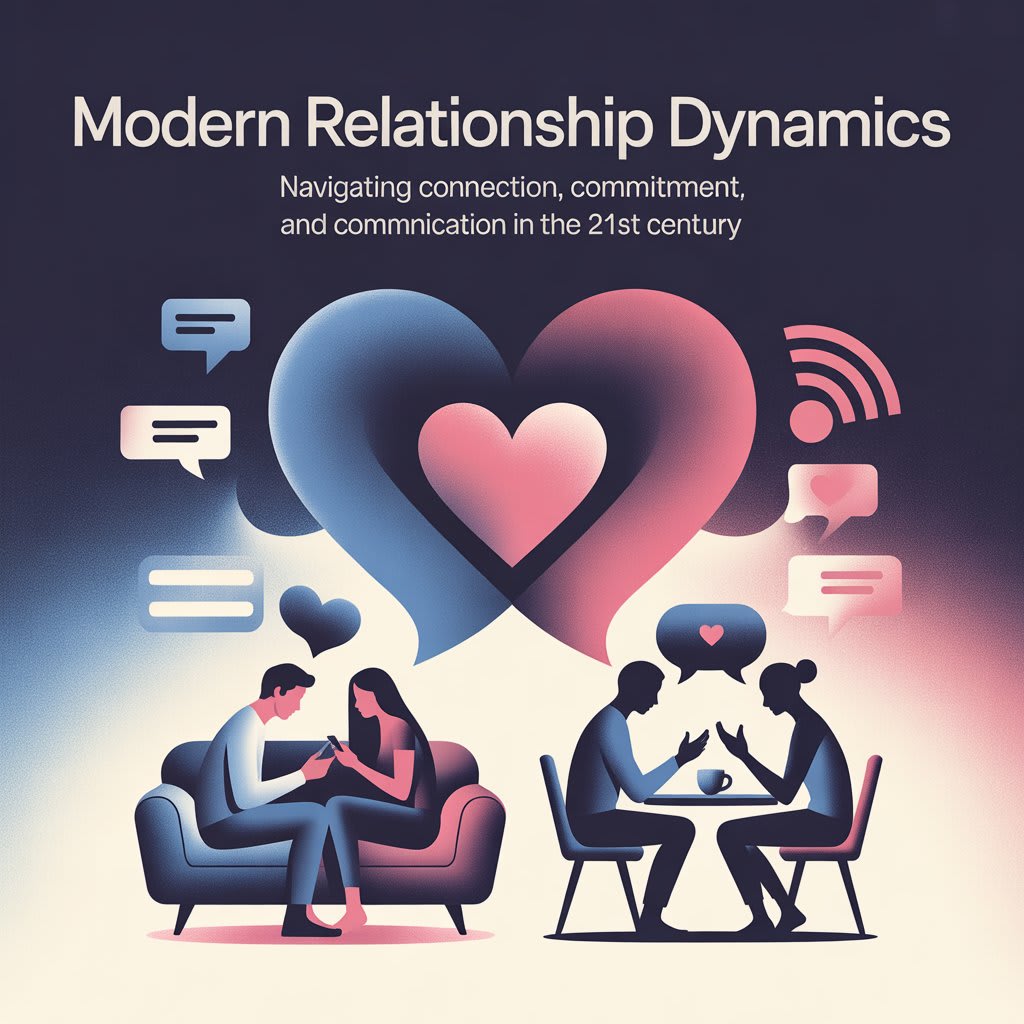
In the 21st century, the landscape of relationships has undergone profound shifts influenced by cultural changes, technological advances, and evolving social norms. Modern relationship dynamics reflect a complex interplay of connection, commitment, and communication, each reshaped by contemporary realities. Understanding these elements offers insight into how individuals forge meaningful bonds in a rapidly changing world.
Connection: Building Bonds in a Digital Age
Connection—the foundation of any relationship—has transformed in the era of smartphones, social media, and dating apps. Where once people met through community events, workplaces, or mutual friends, much of modern connection often begins online. Platforms like Tinder, Bumble, and Hinge facilitate introductions but also change expectations and behaviors around dating.
This digital shift offers both opportunities and challenges. On the positive side, technology broadens social circles, allowing individuals to meet people outside their immediate geographic or social environment. It also empowers people to express themselves and find partners who align with their values, interests, or identities, fostering inclusivity and diversity.
However, the convenience and abundance of choice can create paradoxes such as “choice overload,” where individuals struggle to commit due to the illusion that a better option is always available. Additionally, online interactions can lack depth or authenticity, making it harder to establish trust initially. Thus, modern connection demands greater intentionality—balancing virtual and face-to-face interactions, cultivating empathy, and nurturing genuine understanding.
Commitment: Redefining What It Means to Stay Together
Commitment has traditionally been viewed through a lens of permanence—monogamy, marriage, and lifelong partnership. Yet, contemporary society increasingly questions and diversifies these definitions. The rise of cohabitation without marriage, open relationships, polyamory, and “situation ships” (relationships that exist without clear labels or long-term expectations) reflect a broader reevaluation of what commitment means.
This redefinition stems from various factors, including greater individualism, changing gender roles, economic pressures, and a desire for personal growth and autonomy within relationships. For many, commitment today is less about conforming to societal scripts and more about mutual agreement, communication, and respect.
Nonetheless, this fluidity can also lead to uncertainty and insecurity. Without clear expectations, partners may misinterpret intentions, causing emotional strain. Hence, modern commitment requires transparent dialogue about boundaries, needs, and desires—building trust not through tradition but through continual negotiation and honesty.
Communication: The Key to Navigating Modern Love
Communication remains the cornerstone of successful relationships, but its modes and challenges have evolved. Digital communication—texts, social media messaging, video calls—adds layers of complexity. While these tools can keep people connected across distances and busy schedules, they also introduce risks like misinterpretation, lack of nuance, and reduced emotional presence.
Moreover, the speed and brevity of digital exchanges sometimes encourage reactive or surface-level responses rather than deep, thoughtful conversations. To navigate this, partners must develop skills in active listening, emotional intelligence, and conflict resolution, both online and offline.
Healthy communication in modern relationships also involves discussing not just daily logistics but existential questions about values, future plans, and emotional needs. This openness is vital given the diverse ways people approach relationships today and the shifting expectations around commitment and connection.
The Bigger Picture: Challenges and Opportunities
Modern relationship dynamics are shaped by broader societal trends including changing gender norms, increased mental health awareness, and cultural globalization. Issues like consent, equality, and inclusivity have gained prominence, influencing how people relate to each other.
At the same time, challenges such as social isolation, anxiety about vulnerability, and the pressures of maintaining a “perfect” image on social media complicate relationship building. Navigating these requires resilience, adaptability, and support systems beyond the romantic partnership itself.
Ultimately, modern relationships invite a more conscious approach—where connection is nurtured intentionally, commitment is defined collaboratively, and communication is practiced mindfully. This paradigm embraces imperfection, growth, and authenticity as integral to love in the 21st century.
Thank you so much for reading this! 🥰 If you liked my writing, please leave a comment, click the heart and subscribe for free!
You might enjoy this as well:
About the Creator
David
I turn science into self-care stories that spark real change. From mental wellness to everyday rituals, I share soulful, practical insights to help you heal, grow, and thrive—mindfully, boldly, and on your own terms. Wellness, redefined.
Top 10 Questions to Ask Every Perth NDIS Service Before You Engage Them
Choosing the right National Disability Insurance Scheme (NDIS) provider shapes the quality of care, independence, and outcomes a participant experiences. In Perth, families and participants face a growing number of service options, which makes informed decision-making essential.
By Anshul Vijay6 days ago in Lifehack



Comments
There are no comments for this story
Be the first to respond and start the conversation.