
Mine Collapses in Eastern Congo, Leaving at Least 200 Dead
Tragic Mining Accident Highlights Ongoing Safety Issues in Democratic Republic of Congo
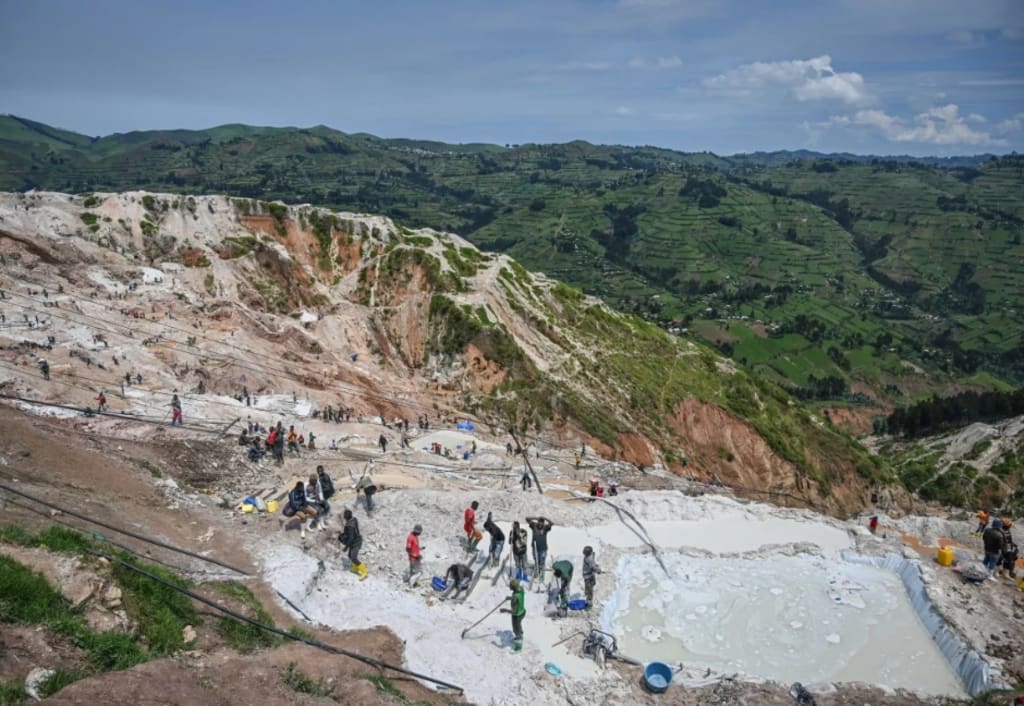
A catastrophic mine collapse in eastern Democratic Republic of Congo (DRC) has claimed the lives of at least 200 people, according to local authorities. The tragedy unfolded early on Sunday in a remote artisanal mining site in the province of North Kivu, a region known for its rich mineral resources but also for its longstanding challenges in mine safety and regulation.
Eyewitnesses reported that the collapse occurred after heavy rainfall destabilized the mine tunnels, trapping hundreds of miners underground. Rescue teams and local volunteers have been working tirelessly to recover bodies and survivors, but the operation has been hampered by the unstable ground and difficult terrain. Many of the miners were believed to be working informally, without proper safety equipment or oversight.
This incident is one of the deadliest mining accidents in Congo in recent years. The country is home to a large number of artisanal mines, where individuals dig for valuable minerals like gold, tin, and coltan, often risking their lives in poorly constructed tunnels. According to human rights groups, thousands of people work in such mines, frequently facing hazardous conditions that lead to accidents, collapses, and fatalities.
The Congolese government expressed condolences to the families affected and announced an investigation into the causes of the collapse. In a statement, the Ministry of Mines emphasized the urgent need to enforce safety regulations and provide support to artisanal miners. "We are deeply saddened by this tragedy," the statement read. "We call for stricter oversight and improved safety measures to prevent such incidents in the future."
Local communities have long criticized the lack of regulation and oversight in the mining sector, arguing that economic pressures force miners to work in dangerous conditions. Many miners, including teenagers, dig in unstable tunnels to extract minerals that are sold to local traders or exported for use in electronics and jewelry worldwide. The economic incentive is significant, but the human cost continues to be devastating.
International organizations have also highlighted the need for reform in Congo's mining industry. The United Nations and various NGOs have repeatedly called for safer mining practices, including proper training, equipment, and monitoring of mining operations. However, enforcement remains challenging in remote regions where governance is weak, and armed groups sometimes control mining areas.
The mine collapse in North Kivu underscores these ongoing challenges. Rescue workers reported that many victims were buried under tons of earth and rocks, making recovery operations extremely difficult. Families gathered at the site, hoping for news of missing loved ones, while authorities appealed for calm and patience as the rescue mission continues.
Experts note that Congo’s reliance on artisanal mining for economic livelihood complicates safety enforcement. Millions of Congolese depend on mining for their survival, meaning that sudden crackdowns or strict regulations could have severe social and economic repercussions. Nevertheless, incidents like the North Kivu collapse highlight the urgent need for sustainable and safer mining practices.
In addition to human casualties, the collapse has raised environmental concerns. Mining operations often destabilize the land and contribute to deforestation, soil erosion, and contamination of nearby water sources. Heavy rains, which were reportedly a factor in this disaster, can exacerbate these issues, creating conditions ripe for collapses and landslides.
Local authorities are appealing to the international community for assistance in the recovery and rehabilitation process. Humanitarian organizations are sending emergency aid, including food, water, and medical support, to affected families. Mental health professionals are also providing counseling for survivors and relatives of the victims, who are dealing with immense grief and trauma.
This tragedy once again draws attention to the human cost behind Congo’s vast mineral wealth. While the country holds some of the largest reserves of essential minerals for global electronics and technology industries, the lives of miners often remain undervalued and at high risk. Advocates urge both the Congolese government and international stakeholders to prioritize human safety over profit.
As recovery operations continue, questions remain about accountability and the long-term measures needed to prevent similar disasters. Many families affected by the North Kivu mine collapse now face not only grief but also economic hardship, as their primary earners were lost in the tragedy.
The disaster in eastern Congo serves as a stark reminder of the perils of unregulated mining. While mineral resources are vital to the global economy, the safety of the people who extract them must never be overlooked. The hope is that this catastrophe will catalyze stronger regulations, better safety protocols, and more sustainable practices in the mining sector, ultimately saving lives in the future.
Conclusion:
The mine collapse in North Kivu is a tragic event that highlights the ongoing dangers faced by artisanal miners in the Democratic Republic of Congo. With at least 200 confirmed dead, the disaster calls for urgent action from both the government and international bodies to enforce safety standards, support affected communities, and prevent such incidents from recurring.
About the Creator
Using a novel strategy, scientists try to stop human ageing.
Your cells' functions change as you age, and this gradual change can lead to organ failure, weakening, and scarring. There is now hope for treating age-related disorders since scientists have discovered a mechanism to nudge some cells back towards healthy roles.
By Francis Dami7 days ago in Lifehack
How Naturopathic Medicine Can Help Hormonal Imbalances
They can also increase the risk of chronic diseases like diabetes. Many people are now turning to natural approaches for relief. Naturopathic medicine offers holistic solutions that focus on restoring balance rather than just masking symptoms.
By Lola Gold Finch6 days ago in Lifehack
A Love Forboding
The chipped stone slope caused unbearable footing. I slid, skirting on my heels. I cast my shield, relinquishing my guard to stay upright. Left with my double-edge and a prayer to the maker, I skated toward my objective. The earthly stubble gave way to solid ground. I found myself restored, a trail of dust in my wake.
By James U. Rizzia day ago in Fiction




Comments
There are no comments for this story
Be the first to respond and start the conversation.