
Microprocessors vs. Microcontrollers: Things You Don't know
mpu vs mcu
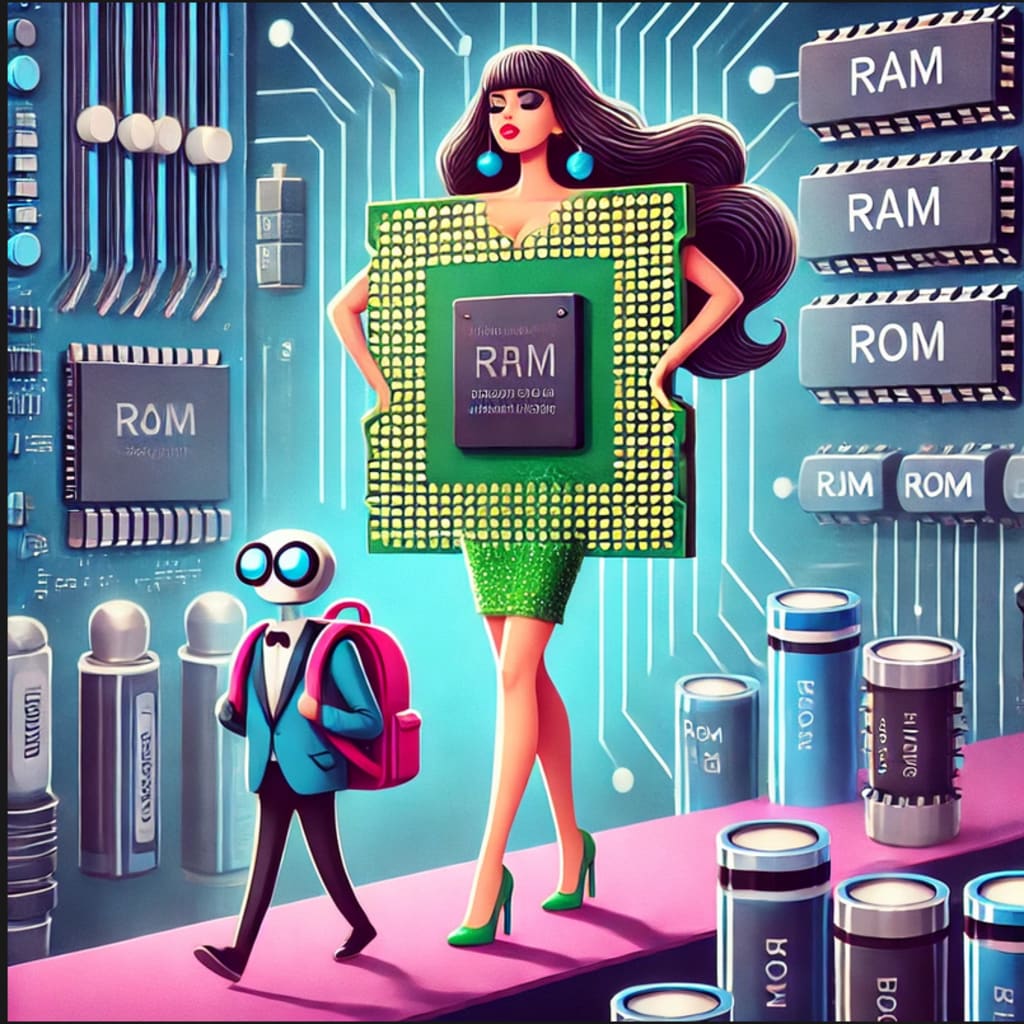
Imagine if electronic devices were like laid-back couch potatoes, then microprocessors and microcontrollers would be the diligent workers making sure everything runs smoothly while you binge-watch your favorite shows. Yep, these tiny champions handle all the automation, saving you from manual effort and boosting efficiency.
Microprocessors are like those high-maintenance chefs who whip up intricate gourmet dishes, requiring a full team and the fanciest equipment. They take on everything from video games to complex computations, turning your computer into a multitasking marvel. Meanwhile, microcontrollers are the handy little sous-chefs—compact and efficient, they’re ready to serve up the perfect microwave meal or control your washing machine with just a flick of a switch. While one is busy creating culinary masterpieces, the other is all about quick, delicious bites. Let’s see how these two culinary heroes stack up against each other!
So, what’s the big deal between a microprocessor and a microcontroller? Well, think of it like comparing a top-tier chef who needs an entire restaurant kitchen (that’s the microprocessor) to a one-man street food vendor who’s got everything set up in his food truck (that’s the microcontroller). Let’s dig deeper—but don’t worry, we’ll keep it fun and easy to chew on!
First off: The Setup. The microprocessor is like the brains behind your laptop or PC, managing all sorts of tasks. But here’s the kicker—it’s just the brain! It doesn’t have built-in memory or input/output systems. It needs all sorts of extras like RAM, ROM, and hard drives to function properly. Think of it like a superstar actor who needs a whole entourage just to get through the day—high-maintenance, right?
Meanwhile, the microcontroller is like that friend who’s always ready for action with just a backpack. It’s got a processor, memory, input/output ports, and even a few bonus features like timers—all tucked neatly into one chip. This makes it perfect for smaller, single-purpose devices like your microwave or washing machine. No entourage needed, just a clear task, and boom, it’s on it!
Now for their jobs. Microprocessors are like the Swiss Army knife of electronics—they can do almost anything. Whether you’re gaming, editing videos, or just browsing the web, they handle it all with ease. On the flip side, microcontrollers are more like that one tool in your kit that does one thing really well. They're the ones making sure your microwave heats your food just right or your washing machine knows exactly when to spin.
When it comes to power, microprocessors are the heavy hitters. They handle intense, complex tasks, often operating at blazing-fast speeds (in gigahertz!). But, that power comes with a price—they guzzle energy like it’s going out of style. Microcontrollers, however, are the energy-saving champions. They don’t need much power, running on lower clock speeds (in megahertz) and even taking naps when they’re not needed to save energy. Perfect for low-power applications!
And what about cost? Microprocessors are like luxury cars—they need premium parts, which makes them pricier. They require external components to work, adding to the overall system cost. Microcontrollers, though, are the budget-friendly compact cars. They’ve got everything they need on-board, so no extra spending required.
Lastly, let’s talk complexity. Microprocessors are the marathon runners of the tech world—they can handle long, complex processes and run full-blown operating systems. Microcontrollers, on the other hand, are like sprinters—they’re built for short, specific tasks. They might not manage an entire operating system, but they’ll knock out their specific job with speed and efficiency.
So, there you have it! Microprocessors are the powerful, multitasking superstars that need a lot of backup, while microcontrollers are the self-sufficient workhorses that get stuff done on a budget. Both are essential, and without them, your gadgets would be... well, just lumps of plastic!
Thank you for reading this article. If you're interested in the chips mentioned, feel free to visit SZComponents Electronics to find more detailed information!
About the Creator
Top 10 Questions to Ask Every Perth NDIS Service Before You Engage Them
Choosing the right National Disability Insurance Scheme (NDIS) provider shapes the quality of care, independence, and outcomes a participant experiences. In Perth, families and participants face a growing number of service options, which makes informed decision-making essential.
By Anshul Vijay3 days ago in Lifehack
9 Foods You Should Never Eat Past the Expiration Date, No Exceptions
But certain foods cross a line where the expiration date becomes about more than just quality—it’s about safety. Eating past that line can expose you to dangerous bacteria, toxins, or nutrient loss you can’t see or smell. Knowing which foods to never push beyond their expiration dates is key to keeping your kitchen safe. Here are the nine foods that are not worth the risk.
By General gyan3 days ago in Lifehack




Comments
There are no comments for this story
Be the first to respond and start the conversation.