
Menstruation/Periods
Tips for managing menstrual symptoms

Menstrual Health
Menstrual health refers to the physical, emotional, and social well-being of women during their menstrual cycle. It encompasses various aspects, such as menstrual hygiene, menstrual disorders, and menstrual education.
Some of the important factors to consider for menstrual health are:
Understanding the Menstrual Cycle: Menstruation is a complex process that involves several hormonal changes in a woman's body. Understanding the different phases of the menstrual cycle can help women know what to expect and prepare themselves accordingly.
Menstrual Hygiene: Maintaining proper hygiene during menstruation is crucial to prevent infections and other complications. Women should use clean and appropriate menstrual products and change them regularly.
Healthy Diet and Exercise: A balanced diet and regular exercise can help regulate menstrual cycles and reduce the risk of menstrual disorders.
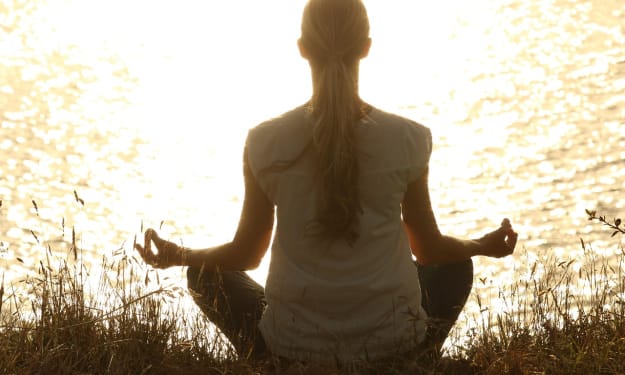
Managing Stress: Stress can affect menstrual cycles, causing irregular periods or other complications. Managing stress through techniques such as yoga, meditation, or relaxation exercises can help maintain menstrual health.
Seeking Medical Help: Women should seek medical help if they experience any unusual symptoms during their menstrual cycle, such as heavy bleeding, severe cramps, or irregular periods.
Overall, maintaining good menstrual health can help women lead a healthy and fulfilling life.
Period Pain and Management
Period pain, also known as dysmenorrhea, is a common problem that affects many women during their menstrual cycle. Some women experience mild discomfort, while others have severe cramps that can disrupt their daily activities. There are several ways to manage period pain, including:
Over-the-counter Pain Medication: Over-the-counter pain relievers, such as ibuprofen or naproxen, can help reduce menstrual cramps and alleviate pain. It's important to follow the recommended dosage and talk to a healthcare provider before taking any medication.
Heat Therapy: Applying a heating pad or hot water bottle to the lower abdomen can help relax muscles and reduce menstrual cramps. Taking a warm bath or shower can also help relieve pain.
Exercise: Regular exercise can help reduce menstrual pain by releasing endorphins, which are natural pain relievers. Activities such as walking, cycling, or swimming can help alleviate menstrual cramps.
Relaxation Techniques: Relaxation techniques such as deep breathing, yoga, or meditation can help reduce stress and tension, which can worsen menstrual pain.
Dietary Changes: Some studies suggest that certain dietary changes, such as reducing salt, caffeine, and alcohol intake, can help alleviate menstrual pain. Increasing the intake of foods rich in omega-3 fatty acids, such as salmon or nuts, may also be beneficial.
If the pain is severe or persistent, women should seek medical help. In some cases, underlying conditions such as endometriosis or fibroids may be causing the pain and require medical treatment.
Period poverty
Period poverty refers to the inability of women and girls to access menstrual products, which can have a significant impact on their health and wellbeing. This issue is particularly prevalent in developing countries, where access to menstrual products is limited, but it is also a problem in developed countries where low-income individuals and those experiencing homelessness may struggle to afford or obtain menstrual products.
Period poverty can lead to women and girls missing school or work, and can also lead to health problems such as infections and irritation from using unhygienic materials. It can also contribute to shame and stigma surrounding menstruation.
Efforts are being made to address period poverty, including initiatives to provide free or low-cost menstrual products in schools, workplaces, and public facilities. There are also organizations that donate menstrual products to those in need, as well as advocacy efforts to reduce the stigma surrounding menstruation and increase access to menstrual education and products.
About the Creator
Keep reading
More stories from narmatha shanmugam and writers in Lifehack and other communities.
The Ultimate Guide to Skincare: Tips and Techniques for a Glowing Complexion
10 Skincare Tips for Achieving Clear, Radiant Skin Cleanse twice a day Exfoliate once a week Use a toner Apply sunscreen daily Stay hydrated Eat a healthy diet Get enough sleep Don't touch your face Use a moisturizer Be gentle
By narmatha shanmugam3 years ago in Lifehack
How to Use Sound Healing Tuning Forks for Balance and Wellness
Sound therapy has been used for centuries to support relaxation, clarity, and overall well-being. Today, sound healing tuning forks are one of the most accessible and effective tools for personal and professional energy work.
By Adria Hargrave6 days ago in Lifehack
I Tried This One Simple Trick… And Suddenly Making Friends Became Effortless
For a long time, I believed making friends was about being interesting, funny, or somehow standing out. I thought if I could just say the right things, tell better stories, or be more confident, people would naturally want to be around me.
By Lukáš Hrdlička5 days ago in Lifehack
When the Shelter Closes
Across the street from my house, a man slept under a tree, his dog by his side. My first, naive thought: he must be traveling through. But he kept coming back, often sleeping there during the day. Then it hit me—that person might not have a home.
By Bride of Sound6 days ago in Humans


Comments
There are no comments for this story
Be the first to respond and start the conversation.