
Medically Recommended Foods for Heart Problems
scientific method for care your heart

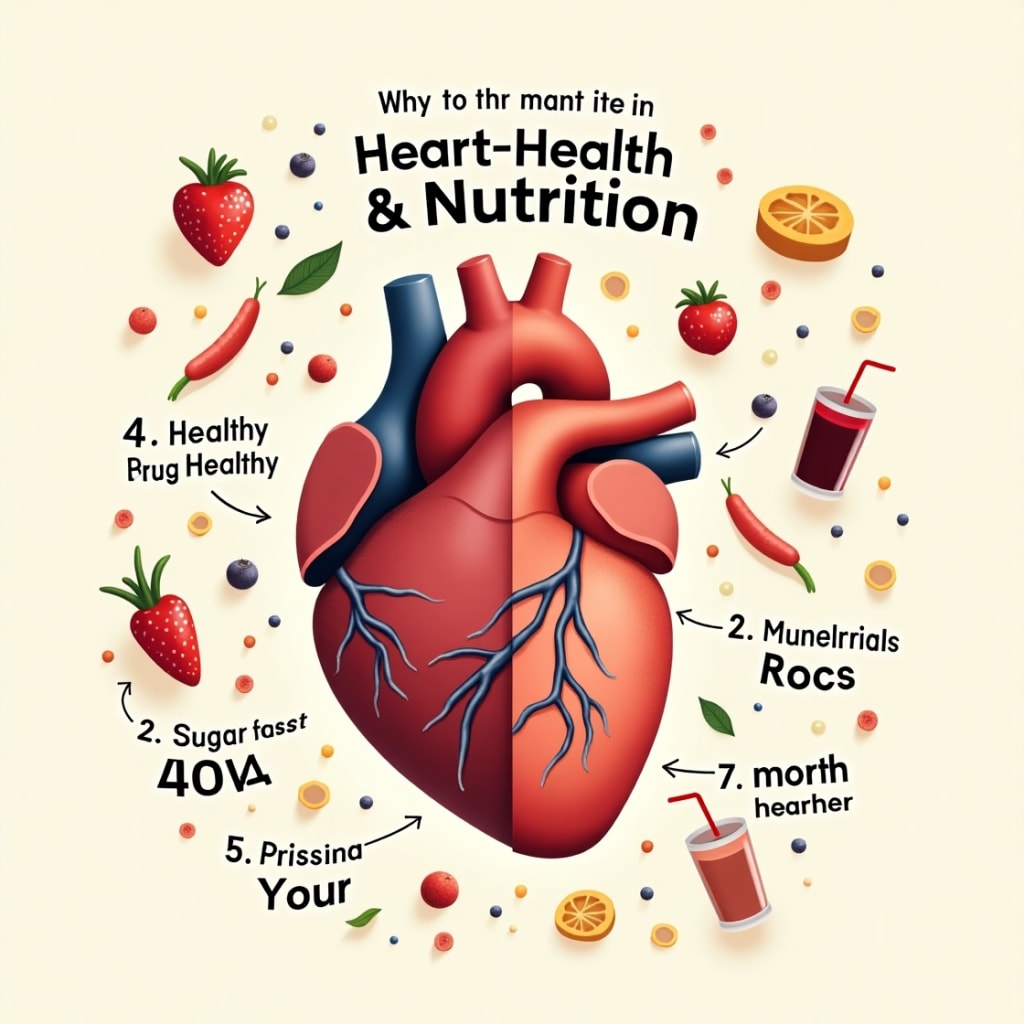
Introduction
Heart disease remains the leading cause of death worldwide, accounting for nearly 18 million deaths annually, according to the World Health Organization (WHO, 2021). Lifestyle and dietary patterns play a significant role in the development and progression of cardiovascular diseases (CVD). This report investigates the scientifically recommended foods that support heart health and are commonly prescribed during or after heart-related problems. The focus is on foods that help reduce inflammation, lower blood pressure, regulate cholesterol levels, and improve arterial health.
1. Importance of Diet in Heart Health
A heart-healthy diet helps control weight, blood sugar, and lipid levels, all of which are critical risk factors for heart disease. According to the American Heart Association (AHA), adopting a diet rich in vegetables, fruits, whole grains, and healthy fats can significantly lower the risk of coronary artery disease and other cardiovascular conditions (AHA, 2023).
2. Top Medically Recommended Foods for Heart Patients
a. Oats and Whole Grains
Oats and other whole grains like brown rice, barley, and quinoa are high in soluble fiber, which helps reduce LDL (bad) cholesterol. Beta-glucan, the primary fiber in oats, is particularly effective in cholesterol reduction.
• Reference: A 2019 meta-analysis published in Nutrients found that consuming 3 grams of oat beta-glucan per day lowered LDL cholesterol by 5–10%.
b. Fatty Fish
Fatty fish such as salmon, mackerel, sardines, and trout are rich in omega-3 fatty acids. These essential fats reduce inflammation and decrease triglyceride levels, improving overall heart function.
• Reference: The American Journal of Clinical Nutrition (2020) highlighted that two servings of oily fish per week can reduce cardiovascular death risk by 36%.
c. Leafy Green Vegetables
Spinach, kale, arugula, and Swiss chard are abundant in vitamins, minerals, and antioxidants. They are rich in dietary nitrates, which help reduce blood pressure and improve arterial function.
• Reference: A study in the European Journal of Epidemiology (2017) showed that higher consumption of leafy greens is associated with a 16% lower risk of heart disease.
d. Berries
Berries like blueberries, strawberries, and raspberries are loaded with antioxidants, including anthocyanins, which reduce oxidative stress and inflammation—two key contributors to heart disease.
• Reference: A 2013 study from Circulation reported that women who consumed three servings of blueberries and strawberries per week had a 32% lower risk of a heart attack.
e. Nuts and Seeds
Almonds, walnuts, flaxseeds, and chia seeds offer healthy fats, fiber, and plant-based protein. Walnuts in particular are a rich source of alpha-linolenic acid (ALA), a plant-based omega-3 fatty acid.
• Reference: According to the Journal of the American College of Cardiology (2018), regular nut consumption is linked to a 14% lower risk of cardiovascular events.
f. Legumes
Beans, lentils, and chickpeas provide protein without saturated fat and are high in fiber, which helps manage blood sugar and cholesterol levels.
• Reference: A meta-analysis published in Clinical Nutrition (2020) found that consuming legumes four times a week reduces the risk of coronary heart disease by 14%.
g. Olive Oil
Extra virgin olive oil is a staple in the Mediterranean diet and is known for its heart-protective monounsaturated fats and anti-inflammatory properties.
• Reference: The landmark PREDIMED study (2013) found that participants on a Mediterranean diet supplemented with olive oil had a 30% lower risk of major cardiovascular events.
h. Avocados
Avocados are rich in potassium and monounsaturated fats, which help lower blood pressure and LDL cholesterol while maintaining healthy HDL cholesterol levels.
• Reference: A 2019 study in the Journal of the American Heart Association concluded that replacing saturated fat with avocados resulted in lower total and LDL cholesterol.
3. Foods to Avoid or Limit
In addition to eating heart-healthy foods, it's crucial for heart patients to limit foods that contribute to poor cardiovascular health:
• Trans fats: Found in margarine, packaged baked goods.
• Saturated fats: Found in red meat and full-fat dairy products.
• Excess sodium: Linked to high blood pressure.
• Processed sugars: Increase risk of obesity and diabetes, major contributors to heart disease.
• Reference: The AHA recommends no more than 2,300 mg of sodium per day, with an ideal limit of 1,500 mg for most adults, especially those with high blood pressure.
4. Dietary Patterns for Heart Patients
a. Mediterranean Diet
Emphasizing fruits, vegetables, whole grains, fish, olive oil, and nuts, the Mediterranean diet is considered the gold standard for heart health.
• Evidence: The PREDIMED trial, which involved over 7,000 participants, showed that this diet can reduce the incidence of major cardiovascular events by about 30%.
b. DASH Diet (Dietary Approaches to Stop Hypertension)
This diet focuses on reducing sodium intake and increasing foods rich in potassium, calcium, and magnesium. It emphasizes fruits, vegetables, low-fat dairy, and lean protein.
• Reference: NIH-sponsored research found the DASH diet to be effective in lowering blood pressure within two weeks of starting.
5. Practical Tips for Heart Patients
1. Eat colorful meals – Include a variety of vegetables and fruits.
2. Cook at home – Avoid processed and fast foods high in trans fats and salt.
3. Read labels – Check for added sugars and sodium content.
4. Hydrate wisely – Prefer water over sugary drinks or sodas.
5. Portion control – Keep portions moderate, especially for calorie-dense foods like nuts and oils.
Conclusion
Managing heart health through diet is not just preventative but therapeutic. The right food choices can significantly improve quality of life and reduce the risk of recurrent cardiovascular events. From oats to olive oil, nature offers a diverse array of foods to nourish and protect the heart. Physicians and dietitians alike recommend a balanced, nutrient-rich diet that reduces risk factors such as high cholesterol, hypertension, and inflammation.
A heart-healthy diet, paired with regular physical activity and medical supervision, is one of the most effective tools in combating heart disease.
References
1. World Health Organization (WHO). (2021). Cardiovascular diseases (CVDs).
2. American Heart Association. (2023). Dietary Recommendations for Heart Health.
3. PREDIMED Study Group. (2013). N Engl J Med, 368:1279-90.
4. Estruch, R., et al. (2018). Mediterranean diet and cardiovascular health. JAMA.
5. Djoussé, L., et al. (2018). Nut consumption and risk of cardiovascular disease. JACC.
6. Mozaffarian, D., et al. (2020). Fish consumption and cardiovascular mortality. AJCN.
7. Wang, X., et al. (2017). Vegetable and fruit intake and risk of CVD. Eur J Epidemiol.
8. Jenkins, D.J., et al. (2020). Legume intake and risk of coronary heart disease. Clin Nutr.
9. Bondonno, N.P., et al. (2019). Anthocyanins and cardiovascular risk. Circulation.
About the Creator
Ahmad shah
In a world that is changing faster than ever, the interconnected forces of science, nature, technology, education, and computer science are shaping our present and future.
Keep reading
More stories from Ahmad shah and writers in Lifehack and other communities.
The One Who Warned Them
I told them not to go. The wind was already wrong that night—too warm for autumn, too quiet for the ridge. I could feel it, in my bones and behind my eyes, that strange kind of pressure before something happens. But when I told them, they laughed. Like always. Like I was the joke.
By Ahmad shah6 months ago in Fiction


Comments
There are no comments for this story
Be the first to respond and start the conversation.