
Mastering Culinary Uses and Flavor Profiles: A Guide for Home Cooks
"Unlock the Secrets of Flavor: Elevate Your Cooking Skills and Transform Everyday Ingredients into Culinary Masterpieces."

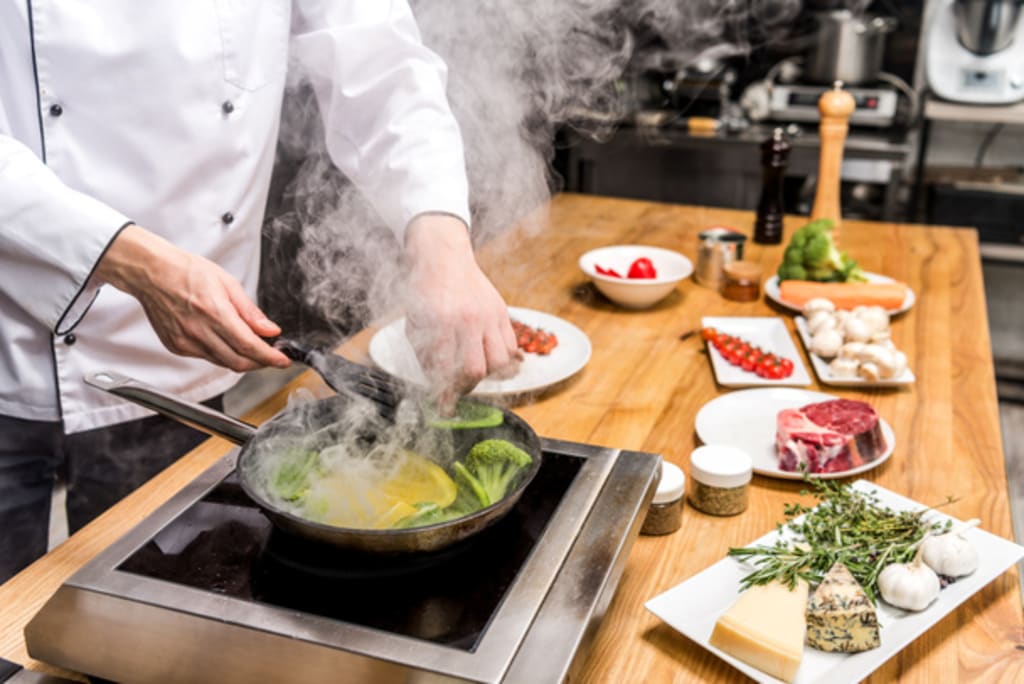
Cooking is an art that entails knowing how various ingredients combine to make wonderful meals; it’s not simply about following directions. Regardless of your level of skill, mastering the usage of ingredients and identifying their flavor characteristics can improve the quality of your cooking. This post will discuss taste characteristics, culinary applications, and how to pair them to make delicious dishes.
Understanding Culinary Uses
The different ways that ingredients can be prepared and used in cooking are referred to as culinary uses. Every component has distinct qualities that affect how a recipe can use it. Here are a few typical applications in cooking:
1. Raw Consumption
Certain ingredients retain their inherent flavors and minerals best when consumed fresh. Your meals will taste fresher and crisper if you serve raw fruits and vegetables. For instance, fruits like apples, oranges, and berries make wonderful snacks or additions to desserts, while crisp lettuce, juicy tomatoes, and fragrant bell peppers are amazing in salads.
2. Cooking Techniques
The flavor and texture of ingredients might vary depending on the cooking technique used. Here are a few well-liked methods:
- Sautéing is the rapid cooking of food over medium-high heat in a small amount of oil. This technique works well for maintaining the texture and flavor of meats, shellfish, and vegetables.
- Baking: Cooking food over dry heat, usually in an oven. Making bread, pastries, and casseroles is best done via baking. It may produce diverse flavors and caramelize sugars.
- Cooking food over direct fire gives it a smokey flavor; this is known as grilling. Fruits, vegetables, and meats all turn out nicely when grilled.
- Cooking food with steam preserves nutrients. This process is known as steaming. Fish and delicate veggies are ideal candidates for this technique.
- Cooking food at a high temperature in the oven to generate a deep taste and caramelization is called roasting. Roasting works incredibly well for meats and root vegetables.
3. Fermentation
Food is transformed and preserved by the use of microbes during the fermentation process. Foods that are commonly fermented include kombucha, yogurt, sauerkraut, and kimchi. The acidic, nuanced flavors of fermented foods can enhance the complexity of your recipes.
4. Infusion
To extract the tastes of substances, infusion is the process of steeping them in a liquid. This method is often used to make vinegars, flavored oils, and teas. For example, you can flavor your marinades and sauces by infusing olive oil with garlic or herbs.
Exploring Flavor Profiles
The distinctive flavors and scents of various ingredients are known as their flavor profiles. Comprehending these features is essential to producing well-balanced and delectable cuisine. Among the primary flavor profiles are:
1. Sweet
One of the most identifiable flavors is sweetness, which is frequently connected to sugars and fruits. Ripe fruits like bananas and berries, honey, and maple syrup are common sweet components. In order to achieve a well-rounded taste in savory recipes, sweet flavors can counterbalance the bitterness and acidity.
2. Sour
Acids are what give sour food its vivid, tangy flavor. Ingredients with sour characteristics include yogurt, vinegar, lemons, and limes. Sour flavors are ideal for marinades, dressings, and sauces because they may balance out richness and add freshness.
3. Salty
A simple yet necessary ingredient that improves food’s overall flavor is salt. Table salt, soy sauce, and cured meats are examples of ingredients that add saltiness. A more delightful meal can be produced by properly salting your dishes, which will also bring out the inherent flavors of the ingredients.
4. Bitter
Bitterness gives food more nuance and complexity. Bitter undertones are added by ingredients like dark chocolate, coffee, and some greens (such arugula and kale). Despite its tendency to overpower, bitterness can sometimes be counterbalanced by sweetness or acidity to produce intriguing flavor combinations.
5. Umami
The savory flavor known as umami imparts a feeling of depth and richness. It is frequently characterized as having a meaty taste and can be found in foods like aged cheeses, soy sauce, mushrooms, and tomatoes. Adding umami-rich items to a meal can improve its overall flavor profile.
Combining Flavor Profiles
Making meals that are both well-balanced and delicious requires an understanding of how to blend various flavor characteristics. Here are some pointers for successfully mixing flavors:
1. Balancing Sweetness and Acidity
Flavors that are sweet and sour together can produce a pleasing harmony. For instance, bitter greens like arugula go well with a honey-vinegar salad dressing. The dish is more palatable because the sweetness balances out the harshness.
2. Adding Umami for Depth
Umami-rich components give your food more nuance and complexity. For instance, you can add a rich, gratifying flavor to spaghetti by adding grated Parmesan cheese or sautéed mushrooms. Playing around with umami may elevate a basic dish to a unique experience.
3. Using Herbs and Spices
Spices and herbs are essential for bringing out the tastes in food. Dried spices like paprika, oregano, and cumin give warmth and depth, while fresh herbs like parsley, basil, and cilantro offer brightness. You may add distinctive taste notes and improve your cuisine by combining different herbs and spices.
4. Creating Contrast with Bitterness
In food, bitterness can produce a pleasing contrast. A delicious balance can be achieved by combining creamy cheeses or sweet fruits with bitter greens. A salad combining sweet pears, creamy blue cheese, and sharp endive, for example, might create a sensational taste.
5. Exploring Global Cuisines
Cooking might be inspired by the distinctive flavor combinations found in other cultures. For instance, tomatoes, olives, and fresh herbs are frequently used in Mediterranean cooking to balance the flavors of sweet, salty, and acidic elements. Asian cooking styles often use ingredients like ginger, garlic, and chili peppers to emphasize umami and heat. By investigating these flavor profiles, you can take your culinary to new heights.
For more information click here now

Culinary Uses of Key Ingredients
Let’s examine some popular components in more detail, along with their culinary applications and placement within various flavor profiles.
1. Tomatoes
There are so many different uses for tomatoes due to their extreme versatility. They can be dried for concentrated flavor, roasted for sweetness, cooked into sauces, or eaten raw in salads. While canned tomatoes bring umami and richness, fresh tomatoes offer sweetness and acidity. To bring out their flavors, try preparing a simple tomato salad or a traditional marinara sauce.
2. Garlic
One of the most powerful ingredients that gives practically any dish depth is garlic. It can be used cooked to generate a sweeter, gentler flavor or raw for a sharper flavor. Garlic becomes a creamy, delicious spread when it’s roasted. Add garlic to marinades, sauces, and stir-fries to improve the flavor of your food as a whole.
3. Cilantro
Many recipes benefit from the bright, fresh flavor that cilantro brings, particularly in Asian and Mexican cuisines. The stems offer a strong herbaceous smell, while the leaves taste lemony. To brighten up any dish, add cilantro to salads, soups, and curries as a garnish.
4. Chili Peppers
Chili peppers give your food a burst of flavor and depth. Jalapeños, whether spicy or mild, can give a punch to any meal. Chili peppers have a spicy kick that can be counterbalanced by sweetness or acidity to produce a flavor profile that is well-rounded. Utilize them as pizza and taco toppings, in stir-fries, and sauces.
5. Cheese
Cheese’s deep umami flavor complements many other foods. The flavor profiles of cheeses vary, ranging from mild and creamy to strong and acidic. Aged cheeses like Parmesan or cheddar give depth, while fresh cheeses like mozzarella or ricotta add brightness. Use cheese as an ingredient in salads, baked goods, and pasta dishes.
Practical Tips for Home Cooks
Here are some helpful hints to get you started as you investigate flavor characteristics and culinary applications:
1. Experiment and Taste
Try experimenting with different ingredients and flavor combinations without fear. To learn how flavors interact, taste while you cook. Add a little vinegar or lemon juice to a meal if it needs additional acidity. A little sweetness might counteract any excessive bitterness.
2. Start with Simple Recipes
If you’ve never cooked before, begin with easy recipes that highlight a few essential components. This will assist you in utilizing various flavors without being overwhelmed. Gradually introduce increasingly sophisticated flavors and techniques as your confidence grows.
3. Keep a Well-Stocked Pantry
It will be easier for you to make diverse recipes if you have a range of components on hand. Ensure that your pantry is stocked with necessities such as grains, tomatoes in cans, herbs, spices, and sauces. Making meals at home without having to go to the grocery shop will be simpler as a result.
4. Take Notes
Make notes about the flavors and combinations you try as you go along to see what works and what doesn’t. This will assist you in expanding your culinary skills and creating your own cooking style.
5. Join a Cooking Class or Community
Think about enrolling in a community organization or culinary class so you can share your experiences and learn from others. You can meet other food enthusiasts, explore new dishes, and develop your talents by doing this.
Conclusion
Gaining proficiency in culinary applications and taste profiles can improve your cooking and be a fulfilling experience. You may make delectable and well-balanced dishes by learning how components work together and experimenting with diverse flavors. Never forget that cooking is an art, therefore don’t be scared to express your creativity and enjoy yourself in the kitchen. You’ll hone your own style and gain confidence as a cook with practice. Have fun in the kitchen!
About the Creator
Healthy positive lifestyle
Welcome to my Vocal! I'm dedicated to health and fitness, sharing tips, workouts, and nutrition advice to inspire your wellness journey. Join me for practical insights and motivation as we strive for a healthier, happier life together!
Keep reading
More stories from Healthy positive lifestyle and writers in Lifehack and other communities.
The Health Benefits of Common Herbs and Spices
For millennia, people have utilized herbs and spices not just to improve the taste of their food but also for their medicinal properties. These organic components are strong allies for upholding a healthy lifestyle, helping to improve digestion and increase immunity. This post will discuss the advantages of including common herbs and spices into your diet, their health benefits, and the reasons they are vital for general wellbeing.
By Healthy positive lifestyleabout a year ago in Lifehack
The Long Way Home
Rayan always believed that time was something to control. He planned his days carefully, hated delays, and felt uncomfortable when things did not go as expected. For him, reaching the destination mattered more than the journey itself. If something slowed him down, it felt like a personal failure.
By Sudais Zakwanabout 2 hours ago in Lifehack
~ Fired ~
— Ai Intrusion ~ Are you Next ~ Is Ai Evolution after your job? — Few workplaces haven't been affected. Ai is in supermarkets, at doctors' offices, and even monitoring farms. I just can't think of anything this machine is not getting into, can you? For instance: Education ~ Law and Tech jobs will one day have a major influence or be taken over by these inanimate machines, with accuracy and vigor. From mechanics' diagnoses to a wide variety of everyday jobs, including fast food workers, with this input having the ability to cut their unnecessary work hours. I'm certain all of us have been touched by this with our short stories and colorful headings, have you? Even comments are very questionable 'Non-Robot' insertions.
By Jay Kantor5 days ago in Journal



Comments (2)
Nice
Thanks for sharing