
Master Tempura at Home: How the Jumi Japanese Deep Fryer Makes Perfectly Crispy Results Every Time
Unlock perfect tempura at home with the Jumi Japanese Tempura Deep Fryer! Enjoy crispy results with its stainless steel build and built-in thermometer.
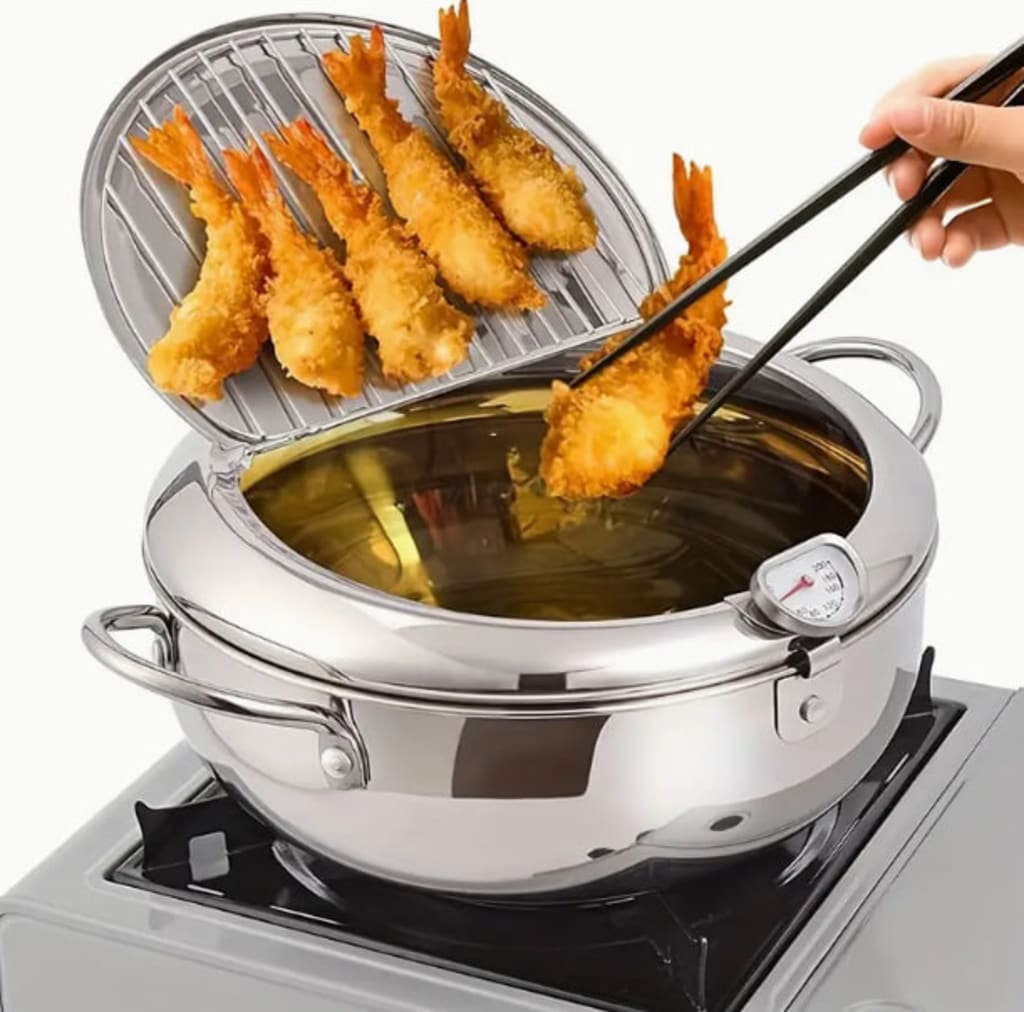
Tempura, the quintessential Japanese dish, is beloved for its light, crispy batter and the delicate way it enhances the flavor of fresh ingredients. Yet, many home cooks struggle to achieve the same level of perfection that professional chefs create. The secret? It's all in the technique, the ingredients, and, crucially, the right tools. Enter the Jumi Japanese Tempura Deep Fryer—a game-changer for anyone serious about mastering tempura at home. In this comprehensive guide, we'll explore everything you need to know to achieve perfectly crispy tempura every time. From understanding the art of tempura to using the Jumi Fryer with precision, this article will equip you with all the tips and tricks you need to elevate your frying game.
1. Understanding Tempura: A Quick Overview
A. The Origin and Art of Tempura
Tempura, a dish that has become synonymous with Japanese cuisine, actually has roots that trace back to the 16th century when Portuguese missionaries introduced deep-frying techniques to Japan. Over time, the Japanese refined this method into what we now know as tempura—a culinary art that emphasizes simplicity, seasonality, and the beauty of fresh ingredients.
The art of tempura lies in its delicate balance. The batter must be light, the oil at the perfect temperature, and the ingredients as fresh as possible. It's this combination of factors that makes tempura both an accessible dish for home cooks and a challenging one to master. Achieving the perfect tempura is truly a blend of art and science, where precision and timing are everything.
B. The Key to Perfect Tempura
The foundation of perfect tempura begins with the right ingredients and tools. The batter, typically made from a simple mixture of flour, egg, and cold water, must be mixed gently to avoid overworking the gluten, which can result in a heavy, chewy texture rather than the desired crispiness.
Selecting fresh, seasonal vegetables and seafood is equally important. The quality of the ingredients shines through in the final dish, so choose wisely. But even with the best ingredients, many home cooks struggle with common mistakes such as using the wrong type of oil, frying at inconsistent temperatures, or overcrowding the pan—all of which can lead to soggy, greasy tempura instead of the light, crispy results we crave.
This is where the Jumi Japanese Tempura Deep Fryer comes into play. By providing precise temperature control and even heat distribution, this fryer helps eliminate many of the common pitfalls associated with home frying, allowing you to focus on perfecting your technique.
2. Why the Jumi Japanese Tempura Deep Fryer is a Game-Changer
A. Superior Design and Build Quality
The Jumi Japanese Tempura Deep Fryer stands out for its superior design and build quality. Crafted from high-grade stainless steel, this fryer not only looks sleek and modern in any kitchen but also offers durability and longevity. Stainless steel is known for its ability to conduct heat evenly, which is crucial when frying tempura. Uneven heat can lead to undercooked or overcooked batter, but with the Jumi Fryer, you can trust that your oil temperature will remain consistent throughout the cooking process.
The fryer's deep, wide pan allows for ample space to fry multiple pieces without overcrowding, which is essential for achieving that perfect golden-brown crust. The design also includes a smartly positioned spout for easy draining, ensuring that your tempura remains crisp and free from excess oil.
B. The Built-In Thermometer: Your Secret Weapon
One of the standout features of the Jumi Japanese Tempura Deep Fryer is its built-in thermometer. Precise temperature control is the key to perfect tempura, and this thermometer takes the guesswork out of the equation. Tempura frying typically requires oil to be heated to around 340-360°F (170-180°C). If the oil is too hot, the batter will burn before the ingredients inside are cooked. If it’s too cool, the batter will absorb too much oil, resulting in a greasy texture.
The built-in thermometer allows you to monitor the oil temperature in real-time, ensuring that it stays within the optimal range. This precision helps you achieve a consistent, crispy result every time, making it easier to replicate restaurant-quality tempura at home.
C. Versatility Beyond Tempura
While the Jumi Fryer excels at making tempura, its versatility extends far beyond this single dish. The fryer’s design and features make it ideal for frying a variety of foods, including fried chicken, beef patties, and even more delicate items like sesame fry bags and chicken willow.
Whether you're experimenting with different frying techniques or simply want a reliable tool for everyday frying tasks, the Jumi Fryer proves to be a versatile addition to any kitchen. Its ability to maintain consistent heat and its easy-to-use design make it suitable for both novice and experienced cooks alike.
3. Step-by-Step Guide: Making Perfect Tempura with the Jumi Fryer
A. Preparing the Ingredients
The first step in making perfect tempura is selecting and preparing your ingredients. Freshness is key, so choose seasonal vegetables and seafood that are firm and free from blemishes. Common tempura vegetables include sweet potatoes, zucchini, eggplant, and bell peppers. For seafood, shrimp and white fish like cod or haddock are popular choices.
Once you’ve selected your ingredients, it’s important to cut them into uniform pieces to ensure even cooking. Vegetables should be sliced thinly, about ¼ inch thick, while seafood should be deveined and patted dry to remove excess moisture.
For the batter, combine cold water, egg, and flour in a mixing bowl. The key is to keep the batter cold and slightly lumpy—this helps create the airy, crispy texture tempura is known for. To maintain the batter’s cold temperature, some chefs even place the mixing bowl over a larger bowl filled with ice.
B. Setting Up the Jumi Fryer
Setting up the Jumi Japanese Tempura Deep Fryer is straightforward. Begin by filling the fryer with a high smoke point oil, such as canola, vegetable, or peanut oil. Fill the fryer to about two-thirds full to prevent overflow when frying.
Turn on the fryer and allow the oil to preheat. Using the built-in thermometer, monitor the temperature until it reaches the optimal range of 340-360°F (170-180°C). Maintaining this temperature is crucial for achieving a light, crispy tempura. If the oil gets too hot, reduce the heat slightly and wait for it to cool down to the correct range.
C. The Frying Process: Achieving Perfect Crispiness
With the ingredients prepped and the oil at the right temperature, you’re ready to start frying. Dip each piece of vegetable or seafood into the batter, ensuring it’s coated evenly but not thickly. A light coating is all you need for tempura.
Carefully place the battered ingredients into the hot oil, one piece at a time. Fry in small batches to avoid overcrowding, which can lower the oil temperature and result in soggy tempura. Cook each piece until the batter is golden and crispy, usually around 2-3 minutes for vegetables and 3-4 minutes for seafood.
Once fried, use a slotted spoon to remove the tempura from the oil, allowing any excess oil to drain off. Place the fried pieces on a wire rack or paper towels to drain further. This step is important for maintaining that desirable crispiness.
D. Tips for Serving and Presentation
Tempura is best served immediately after frying, while it’s still hot and crispy. For an authentic Japanese experience, consider plating your tempura on a bamboo mat or in a traditional wooden serving box. Garnish with a slice of lemon or a sprinkling of sea salt to enhance the flavors.
Tempura is typically served with a dipping sauce called tentsuyu, made from dashi, soy sauce, and mirin. You can also serve it with grated daikon radish or a side of steamed rice for a complete meal. Pairing the tempura with a light, refreshing salad or pickled vegetables can balance the richness of the fried batter.
4. Troubleshooting Common Tempura Issues
A. Batter Problems
One of the most common issues with tempura is batter that doesn’t stick or is too thick. If the batter is sliding off your ingredients, it may be too thin. To fix this, add a bit more flour to thicken it up. Conversely, if the batter is too thick and heavy, resulting in a dense, chewy coating, try adding more cold water to thin it out. Remember, the batter should be lumpy and slightly runny for the best results.
Another tip is to keep the batter cold at all times. Warm batter tends to absorb more oil, leading to greasy tempura. If you’re making a large batch, consider placing the bowl of batter over ice to keep it chilled.
B. Temperature Issues
Maintaining the correct oil temperature is crucial for perfect tempura. If you notice that your tempura is turning out too greasy or not crispy enough, it’s likely due to oil that is too cool. On the other hand, if the tempura is browning too quickly and burning, the oil is too hot.
Using the built-in thermometer on the Jumi Fryer makes it easy to monitor and adjust the temperature as needed. If the oil temperature drops after adding ingredients, allow it to heat back up before frying the next batch. Consistency is key to achieving that perfect crispy texture.
C. Fryer Maintenance and Care
Proper maintenance of your Jumi Japanese Tempura Deep Fryer is essential for ensuring it continues to perform at its best. After each use, allow the fryer to cool completely before cleaning. Drain the used oil and strain it to remove any food particles. The stainless steel construction makes it easy to wipe clean and prevents the build-up of residue. The Jumi Japanese Tempura Deep Fryer is not only versatile, compatible with induction stovetops, and designed with a high-grade stainless steel finish, but it also operates without the need for an external power supply, ensuring reliable performance in any kitchen. Regular cleaning and care will extend the life of your fryer, allowing you to enjoy perfectly crispy tempura and other fried delights for years to come.
5. Enhancing Your Tempura Experience
A. Experimenting with Different Ingredients
While traditional tempura often features vegetables like sweet potatoes and zucchini or seafood such as shrimp, don’t be afraid to get creative with your ingredients. Think beyond the classics and experiment with a variety of options. For instance, try tempura with exotic vegetables like lotus root or kabocha squash, or even fruits like apple slices for a unique twist. Seasonal and local produce can also add a fresh touch to your dishes. In spring, consider asparagus or snap peas; in autumn, mushrooms and pumpkin can shine. Incorporating these ingredients not only adds variety to your tempura menu but also showcases the flavors of each season.
B. Pairing Tempura with Drinks and Sides
The right drink and side dishes can elevate your tempura meal to new heights. Traditional Japanese beverages like sake, with its subtle sweetness and umami notes, complement tempura beautifully. Green tea is another excellent choice, providing a refreshing counterbalance to the rich flavors of fried food. For sides, consider serving tempura with a light miso soup or a crisp, tangy salad. Pickled vegetables, such as tsukemono, can also add a delightful contrast. These pairings enhance the overall dining experience and help create a well-rounded meal.
6. Conclusion: Your Journey to Tempura Mastery
By following these steps and utilizing the Jumi Japanese Tempura Deep Fryer, you'll be well on your way to mastering the art of tempura at home. Whether you're a seasoned cook or new to Japanese cuisine, this fryer makes it easier than ever to achieve restaurant-quality results right in your kitchen. Happy frying!
About the Creator
Keep reading
More stories from writers in Lifehack and other communities.
Best Humidifier for Arizona: Top Picks for Comfort and Health
Dry air in Arizona can make sleep rough and leave skin and sinuses irritated quickly. A good humidifier for Arizona is one that adds steady moisture without noise, leaks, or extra hassle. I notice, after researching specs, real feedback, and climate needs, that desert homes benefit most from quiet units with consistent output and easy upkeep.
By Mohammed mamunabout 9 hours ago in Lifehack



Comments
There are no comments for this story
Be the first to respond and start the conversation.