
Maintaining Cool Comfort: Addressing Wall Damage Caused by Window Air Conditioning Units
Things I wish I had known
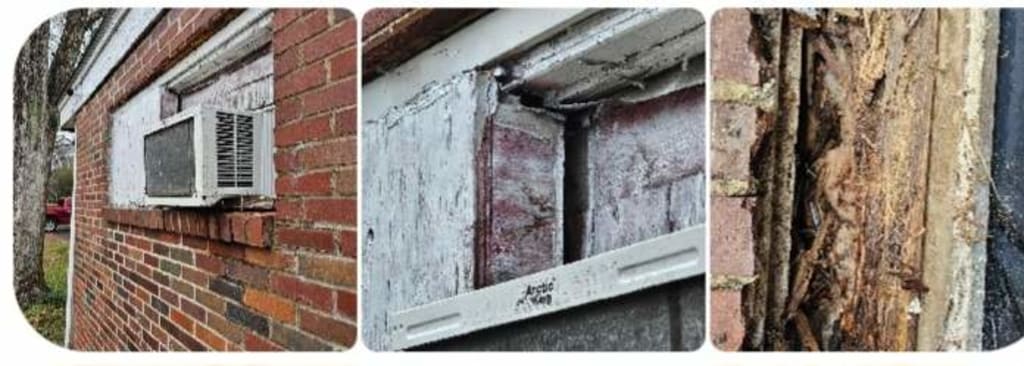
Window air conditioning units are a common solution for cooling individual rooms, providing relief during the sweltering heat. However, as convenient as they may be, improper installation and maintenance of these units can lead to significant damage to walls and window seals. In this article, we'll explore the potential harm caused by window air conditioners, accompanied by a visual depiction of damage, and offer valuable tips on how to install them properly to prevent structural issues.
While window air conditioning units offer an accessible way to beat the heat, their improper installation and neglected maintenance can result in damage to both interior and exterior structures. One common issue is the development of wood rot and external wall damage, especially when moisture seeps into the walls over time.
Visualizing the Damage: As depicted in the accompanying image, (image by Alice James) the impact of an improperly installed window air conditioner is evident. The external wall, exposed to condensation and runoff, shows signs of wood rot and degradation. The damage extends beyond aesthetics, potentially compromising the structural integrity of the wall and window frame. Thankfully the damaged window frame was repaired with new framing, new insulation, and new siding installed.
Some Common Causes of Damage that contribute to the deterioration of walls caused by window air conditioning units are :Condensation Buildup: Improper sealing and insulation can lead to condensation buildup on both the interior and exterior sides of the wall, fostering an environment conducive to wood rot. Poor Drainage: Inadequate drainage systems can result in water pooling around the unit, exacerbating the risk of water infiltration into the walls. Improper Installation: Incorrect installation techniques, such as failing to create a proper seal around the unit, can allow water to infiltrate and damage the surrounding walls and window seals.
To ensure the efficient cooling of your space without compromising the integrity of your walls, follow these essential tips for proper installation and maintenance: Create a Proper Seal: During installation, seal any gaps around the unit with weather-stripping or insulation material. This prevents warm air from infiltrating your home and minimizes condensation buildup. Tilt the Unit Downward: Ensure the unit is tilted slightly downward toward the exterior. This promotes proper drainage, directing condensation away from the walls and window seals.
Use a Drip Pan: Place a drip pan under the unit to collect excess water. Regularly check and empty the pan to prevent overflow and water damage.
Regular Cleaning: Clean the air conditioner's filters and coils regularly. This not only improves its efficiency but also reduces the risk of condensation buildup.
Inspect Window Seals: Check and replace damaged or worn window seals. Properly sealed windows contribute to the overall effectiveness of the air conditioning unit.
Consider a Window Seal Kit: Window seal kits, available at hardware stores, provide an additional layer of protection by sealing the gap between the window and the air conditioner, preventing water infiltration.
Professional Installation: If unsure about the installation process, consider hiring a professional. An expert can ensure that the unit is securely in place, minimizing the risk of damage.
While window air conditioning units offer a practical solution for staying cool, it's crucial to recognize their potential to cause damage if not installed or maintained correctly. The image presented serves as a stark reminder of the consequences of neglecting proper installation practices. By following the outlined tips, homeowners can enjoy the comfort of a cooled space without compromising the structural integrity of their walls and window seals. A well-installed and maintained window air conditioner not only enhances indoor comfort but also preserves the longevity of your home's essential components.
About the Creator
Keep reading
More stories from Alice L James and writers in Lifehack and other communities.
"The Genetic Tapestry of Eye Colors: Ancestry, Evolution, and Unique Hues"
Eyes, often considered the windows to the soul, hold a captivating story within their depths. Beyond their expressive nature, eye colors serve as a fascinating canvas reflecting the intricate interplay of genetics, ancestry, and evolution. In this exploration, we delve into the world of eye colors, examining the unique combination of gold, green, and blue hues and unraveling the genetic tapestry that shapes our ocular identity.
By Alice L James2 years ago in Humans
If I don't laugh… I'll go crazy
First paragraph: A morning unfit for human use Saeed woke up feeling like someone had restarted him while he was asleep but forgot to reset the settings. The alarm rang, wouldn't stop, and turned into a war cry. Saeed got up and slapped it. The alarm fell, the battery flew out, and his phone said, "Yes, sir, I'm turning off completely."
By Mohamed Hamdyabout 20 hours ago in Lifehack
trial,
In a small village, there lived a farmer named Raheem, who was well-known for his honesty, integrity, and kind-hearted nature. Because of his reputation, villagers often entrusted him with their belongings for safekeeping, confident that he would never misuse them. One morning, as Raheem was on his way to the fields to plow, he noticed a small bag lying on the roadside. Looking carefully around to ensure no one was watching, he picked up the bag.
By Sudais Zakwana day ago in Lifehack




Comments
There are no comments for this story
Be the first to respond and start the conversation.