
Living a healthy lifestyle


Living a healthy lifestyle is something that many people aspire to do, but few actually achieve. It can be difficult to make the necessary changes to your life and stick to them, but it is more than worth the effort. A healthy lifestyle involves eating nutritious foods, exercising regularly, getting enough sleep, and avoiding unhealthy habits like smoking and drinking. It can also involve managing stress, having a positive attitude, and maintaining relationships with family and friends.
Eating a balanced diet is essential for a healthy lifestyle. Eating a variety of fresh fruits and vegetables, whole grains, and lean proteins will provide the vitamins and minerals needed for good health. Avoiding processed and fast foods is also important, as they are often high in fat, sugar, and sodium, and low in nutrients. Eating in moderation and avoiding overeating will help to maintain a healthy weight.
Exercising regularly is an important part of living a healthy lifestyle. Getting at least thirty minutes of moderate exercise each day can help to improve physical and mental health, as well as reduce the risk of chronic diseases. Examples of moderate exercise include walking, biking, jogging, swimming, and playing sports. In addition, strength training is important for maintaining muscle and bone health.
Getting enough sleep is another important component of a healthy lifestyle. Adults require seven to nine hours of sleep each night, while children and teenagers need even more. Sleep helps to improve concentration and productivity, as well as prevent mood swings and depression. Making sure that the bedroom is cool and comfortable, and avoiding caffeine and electronics before bed can help to improve sleep quality.
Avoiding unhealthy habits like smoking and drinking is essential for a healthy lifestyle. Smoking can increase the risk of many diseases, including cancer, and drinking can lead to alcohol addiction and other health problems. If you are struggling with an unhealthy habit, seeking help from a doctor or therapist can be beneficial.
Managing stress is also important for a healthy lifestyle. Stress can have a negative effect on physical and mental health, so it is important to take steps to reduce stress levels. Taking time for yourself, engaging in activities that you enjoy, and talking to friends and family can all help to reduce stress.
Laugh more Boosts your
immune system:
Laughing increases the number of antibodies and T cells in your body, which helps fight infection.
Reduces stress: Laughing helps your body relax and reduces levels of stress-related hormones such as cortisol and epinephrine.
Improves your mood: Laughter releases endorphins, which are natural mood enhancers.
Boosts creativity: Laughter helps to stimulate creative thinking and problem solving.
S3trengthens relationships: Sharing a laugh with someone else can help to build a stronger bond.
Helps relieve pain: Laughing helps to release endorphins which can act as natural painkillers.
Increases alertness and energy: Laughing can help you to stay alert and energized throughout the day.
Maintaining a healthy weight is important for both physical and mental wellbeing. Knowing your ideal weight and monitoring your progress can help you stay on track with your health and fitness goals.
Measuring your weight is the first step in tracking your progress. You can do this by stepping on a scale and taking note of your weight. It's best to weigh yourself at the same time each day and under the same conditions (first thing in the morning, before breakfast and after using the bathroom). This will give you the most consistent results.
You can also measure your body fat percentage and waist circumference to get an even better picture of your health. These measurements can help you identify potential health risks and help you create a more targeted plan to reach your goals.
In addition to measuring your weight, it's important to also keep an eye on your diet and exercise habits. Monitor what you eat, when you eat, and how much you eat. Pay attention to how active you are and challenge yourself to increase the intensity and duration of your workouts.
Finally, don't forget to take the time to celebrate your successes! Celebrating the small victories can help you stay motivated and inspired to continue working towards your goals.
In conclusion,
living a healthy lifestyle involves making healthy choices and cultivating healthy habits. Eating a balanced diet, exercising regularly, getting enough sleep, avoiding unhealthy habits, managing stress, and having a positive attitude are all important components of a healthy lifestyle. Taking small steps towards these goals can help to make lasting changes and lead to an overall healthier life.
About the Creator
Keep reading
More stories from Sharan Kumar and writers in Lifehack and other communities.
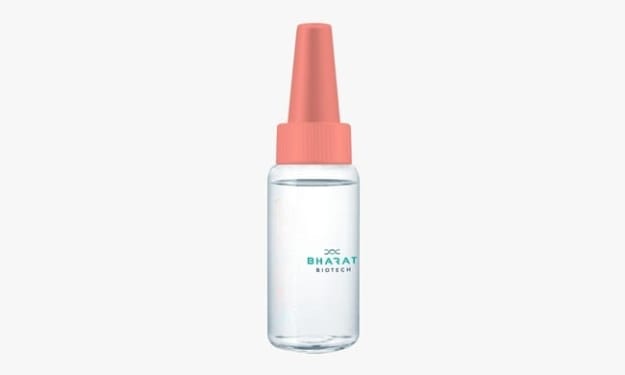
What is nasal vaccines?
The vaccination causes the mucosal barrier to mount an immune response while it is administered nasally. According to the manufacturer, "BBV154 may develop local antibodies in the upper respiratory tract as a result of being an intranasal vaccination, which may give the potential to minimise infection and transmission." According to Dr. Anurag Agarwal, Dean of Biosciences and Health Research at Ashoka University's Trivedi School of Biosciences, "We lack the evidence to definitively state that. The nasal vaccination, however, is more likely to be effective at stopping transmission than the current generation of vaccines since it provides local immunity (in the nose where the virus initially enters). However, there's still opportunity for development. This is just one of several steps.Nasal vaccines are a type of vaccination that is administered through the nose. They are often used to help protect against certain infectious diseases, such as the flu, and can provide a more convenient and cost-effective alternative to traditional injections or other types of vaccinations. Nasal vaccines are typically administered as a spray, and they work by delivering a small amount of the antigen, or virus, directly into the nasal passage. This helps the body create antibodies in response to the antigen, which helps protect the person from becoming infected.
By Sharan Kumar3 years ago in Education
Smartphones Are Powerful Enough
For more than a decade, smartphones have followed a predictable trajectory: higher power, sharper images, and speedier internet. On paper, today’s technologies are substantially superior to those from even five years ago. Yet surveys, user forums, and daily encounters suggest a different image. Satisfaction hasn’t grown at the same pace as capacity.
By abualyaanartabout 6 hours ago in Lifehack
The Devil's Cut
“Comrade, finally you’re awake.” The voice was smooth, sensual. A flickering incandescent bar was all that lit the white, sterile room. All Vladimir remembered was everything going black. He tried to move his arms and found them strapped to the gurney.
By Matthew J. Fromm6 days ago in Fiction


Comments
There are no comments for this story
Be the first to respond and start the conversation.