
Lessons from Wires and Water
A Homeowner’s Quiet Awakening

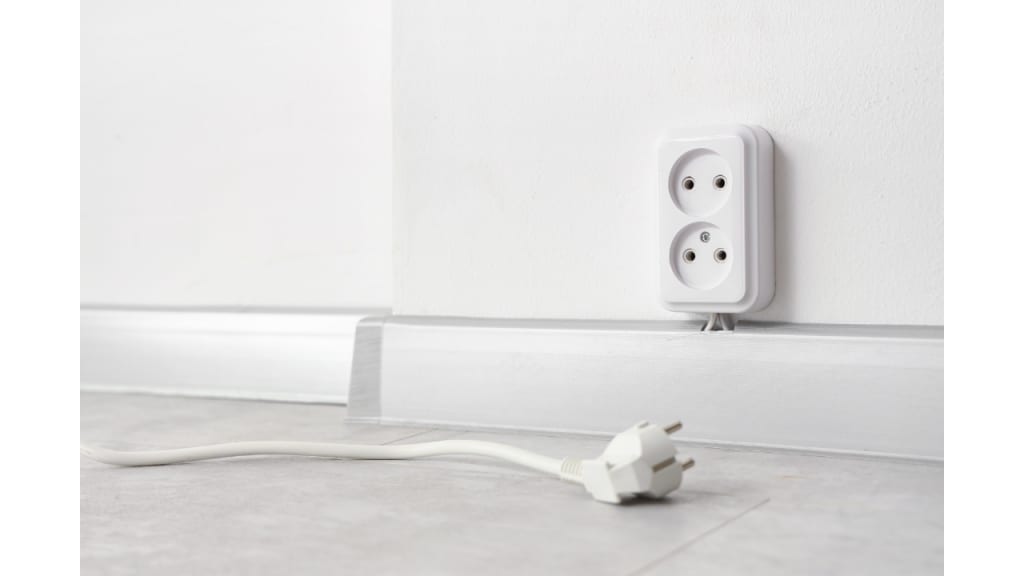
I’ve always thought of my home as a steady presence, a place that hums along quietly while life happens inside it. But that illusion ended one spring afternoon, in the most ordinary way possible: a flicker in the lights and a slow, insistent gurgle from the kitchen drain.
At first, I ignored it. “It’s probably nothing,” I told myself, the same way we ignore little aches in our bodies. But houses, like people, have ways of speaking to you — if only you’d listen.
That day, I learned two important truths: that power and flow are fragile, and that paying attention before disaster strikes is a kind of self-care I had overlooked.
The Spark That Made Me Pause
It started with the lights. Not a complete outage, just a subtle dimming in the corners of the living room when I turned on the microwave. Then the hum from the fridge changed pitch, just slightly, but enough for me to notice.
I called my electrician, a quiet professional who has always been more of a teacher than a fixer. He showed me something I hadn’t realized: old wiring doesn’t just fail suddenly. It deteriorates slowly, almost politely, whispering warnings in the form of flickers, buzzes, and the occasional tripped breaker.
Watching him work, I felt a kind of guilt — not for neglect, but for taking so many tiny signals for granted. I had assumed that because nothing catastrophic had happened, everything was fine. But fine isn’t always safe.
When Water Reminds You to Pay Attention
While the electrician was testing circuits, the gurgling in the kitchen sink grew louder, almost plaintive. That’s when I remembered the last time I had called a hydrojetting service — more than three years ago.
I thought back to that day: the technician had explained the process as if it were a story. High-pressure water, he said, like a river reclaiming its course, blasting away the buildup that had been silently suffocating the pipes for years. I had been fascinated then, impressed with the science, but I hadn’t really internalized the lesson.
Now, standing there with the faint smell of drain cleaner still lingering in the air, I understood. Plumbing, like electricity, does.
The Quiet Work of Keeping a Home Alive
There’s something intimate about watching experts at work. The electrician moved with steady confidence, checking every junction, testing voltages, and explaining the meaning of each warning sign. Meanwhile, the hydrojetting technician worked with a completely different toolset — hoses, pressures, and nozzles — but with the same intent: restoring flow and harmony.
It struck me that both were performing acts of care that often go unnoticed. One restored energy to the home; the other restored the movement of water. Both restored a kind of rhythm that we take for granted.
And I realized that maintenance isn’t just about avoiding catastrophe. It’s about preserving comfort, peace, and a sense of ease that only exists when systems hum along quietly in the background.
The Lessons Woven in Wires and Water
By the end of the day, with circuits balanced and pipes flushed, I sat in the kitchen with a cup of tea. The lights were steady. The sink drained silently. And for the first time in a long while, I felt a strange gratitude for the invisible work that sustains daily life.
I thought about how often we ignore what keeps us safe and comfortable. We notice only when something goes wrong — the sudden outage, the flood, the smell of something gone awry. However, true awareness—the kind that prevents small problems from becoming disasters — requires attention and humility.
There’s a metaphor here, of course. Life, like a house, demands quiet maintenance. Relationships need attention before they crack. Health needs care before it falters. And our own resilience, like wiring and plumbing, depends on small, deliberate acts of upkeep.
Why I’ll Never Ignore the Signs Again
Since that day, I’ve changed how I see both my home and myself. I schedule regular checks with the electrician, not because something is broken, but because keeping the system in balance prevents stress, expense, and danger. I also schedule a hydrojetting service at least once every couple of years, recognizing that a clean, free-flowing system is less likely to cause issues when I least expect them.
And I’ve started noticing the whispers — the subtle hums, the faint drips, the quiet signs that something needs attention. I listen now. I act. I invest in the small routines that protect the comfort I used to take for granted.
Reflections on Home and Awareness
The electrician and the hydrojetting service are more than professionals; I call them in times of trouble. They are reminders of a principle I’m slowly learning: prevention is love in action.
A home that runs smoothly is a reflection of consistent care, attention to detail, and respect for the invisible systems that keep it functioning. And the same is true of our own lives. If we wait for a crisis before acting, the costs are always higher. If we anticipate, maintain, and nurture, the rewards are quiet, steady, and lasting.
That’s the beauty of it — the small, almost imperceptible acts of care that keep both houses and humans running.
I still occasionally notice the faint gurgle of the drains, and I always check the lights when I flip the breaker. But now, instead of anxiety, there’s gratitude.
Gratitude for the electrician who taught me to respect the unseen currents of power, and for the hydrojetting service that reminded me that water, like life, flows best when cleared of unnecessary obstacles.
And maybe that’s the real lesson: paying attention isn’t just practical. It’s profound.
Because in wires and water, in maintenance and mindfulness, we find a reflection of how to live fully — and how to care quietly, consistently, and wisely.
About the Creator
Keep reading
More stories from The Weekend Project and writers in Lifehack and other communities.
Pet Hair, Dust, and Dander
The air we breathe indoors is often overlooked, yet it plays a critical role in our overall health and well-being. Many homeowners focus solely on changing air filters, but the silent, unseen highways of the home's ventilation system, the air ducts, are frequently ignored. These ducts, designed to distribute conditioned air throughout the house, can become reservoirs for a disturbing array of indoor pollutants, transforming a comfortable home environment into a circulating loop of irritants. Pet hair, common household dust, and microscopic dander settle and accumulate over years, leading to a significant drop in indoor air quality. Understanding this problem is the first step toward improving your home's health. For many, a comprehensive professional service like air duct cleaning is the essential solution to remove these deeply embedded contaminants and restore the purity of their home's airflow, a necessary maintenance step that directly impacts daily life and respiratory wellness.
By The Weekend Project5 months ago in Lifehack
5 Simple Lifehacks to Keep Your Teeth Healthy Every Day
Healthy teeth aren’t just about occasional dental visits—they’re shaped by the little choices you make every day. Simple habits, when done consistently, can prevent cavities, gum issues, sensitivity, and other oral concerns while keeping your smile bright and comfortable. These lifehacks are easy to integrate into your routine and don’t require drastic lifestyle changes.
By Smile Sydney6 days ago in Lifehack
The BAFTA Awards
By now, in a stunning departure from recent years, most of the world is aware of what happened at the BAFTA film awards. Social Media Headlines will tell you the bare bones: that John Davidson, a Tourette's Syndrome advocate, shouted a racial slur at two Actors of Colour, Michael B Jordan and Delroy Lindo.
By Natasja Rose6 days ago in Psyche




Comments
There are no comments for this story
Be the first to respond and start the conversation.