
Keto Diet: A Simple Guide to Get You Started!
Health & Fitness


The keto diet is becoming a buzzword for anyone looking to lose weight, gain energy, and improve overall health. But what exactly is the keto diet, and why is it so popular? If you’ve been curious about this eating plan, you’re in the right place. In this article, we’ll break down the basics of the keto diet in simple terms, helping you understand how it works, what you can eat, and how it might benefit you.
What is Keto Diet?
The keto diet, short for the ketogenic diet, is a low-carb, high-fat eating plan. The goal is to get your body into a state called ketosis. In ketosis, your body switches from burning carbohydrates (sugars) for energy to burning fats. This shift can help you lose weight and may offer other health benefits as well.
Think of it this way: Normally, your body uses carbs from foods like bread, pasta, and fruits for energy. But when you cut back on carbs and eat more fat, your body starts using fat as its main fuel source instead. This process produces ketones, which are chemicals your liver makes from fat. When your body is in ketosis, it burns fat more efficiently.
How Does Keto Diet Work?
Keto diet works by drastically reducing your carbohydrate intake and replacing it with fats. Here’s a simple breakdown:
Carbohydrates:
On Keto diet, you’ll eat only 5-10% of your daily calories from carbs. This is a big drop compared to the standard diet, where carbs make up 45-65% of your daily calories.
Fats:
Fats make up the bulk of your diet on keto, accounting for about 70-80% of your daily calories. Foods like avocados, nuts, seeds, oils, and fatty meats are staples.
Proteins:
You’ll still eat proteins, but in moderation, making up about 10-20% of your daily intake. Think of things like eggs, chicken, and fish.
This shift in macronutrients forces your body to enter ketosis, where it burns fat for energy instead of carbs.
What Can You Eat on Keto Diet?
One of the great things about the keto diet is that it doesn’t feel restrictive if you enjoy high-fat foods. Here’s a list of what you can eat:
- Healthy Fats: Avocados, olive oil, coconut oil, butter, and ghee.
- Protein Sources: Meat (beef, pork, chicken), fish, eggs, and some dairy products like cheese.
- Low-Carb Vegetables: Leafy greens, broccoli, cauliflower, zucchini, and bell peppers.
- Nuts and Seeds: Almonds, walnuts, chia seeds, and flaxseeds.
- Berries: Strawberries, blueberries, and raspberries (in small amounts).
Foods to Avoid on Keto Diet:
To keep your body in ketosis, you’ll need to avoid high-carb foods. Here’s what to skip:
- Sugary Foods: Cakes, candies, and other sweets.
- Grains and Starches: Bread, pasta, rice, and cereals.
- High-Carb Fruits: Bananas, apples, and oranges.
- Legumes: Beans, lentils, and chickpeas.
- Root Vegetables: Potatoes, carrots, and sweet potatoes.
Benefits of Keto Diet:
People turn to the keto diet for various reasons. Here are some of the most common benefits:
- Weight Loss: By burning fat for energy, the keto diet can help you shed unwanted pounds, especially belly fat.
- Increased Energy: Many people report feeling more energetic and focused once their bodies adapt to burning fat.
- Better Blood Sugar Control: The keto diet can stabilize blood sugar levels, which is particularly helpful for people with type 2 diabetes.
- Appetite Control: Fat is more satisfying than carbs, so you may find yourself feeling fuller for longer, which can help with weight loss.
- Improved Mental Clarity: Some people experience better mental focus and clarity on the keto diet.
Potential Downsides to Consider:
While the keto diet has many benefits, it’s not for everyone. Here are some things to keep in mind:
Keto Flu:
When starting the keto diet, some people experience flu-like symptoms, such as headaches, fatigue, and nausea. This is temporary and usually passes after a few days.
Nutrient Deficiencies:
Cutting out entire food groups can lead to deficiencies in certain vitamins and minerals. It’s important to eat a variety of keto-friendly foods to ensure you’re getting enough nutrients.
Long-Term Sustainability:
The keto diet can be hard to stick to over the long term. Some people find it difficult to maintain such a low-carb lifestyle.
Tips for Success on Keto Diet:
If you’re thinking about starting the keto diet, here are some tips to help you succeed:
Plan Your Meals:
Before you start, plan out your meals and snacks to make sure you’re getting enough fats and keeping your carbs low.
Stay Hydrated:
Drinking plenty of water is important, especially when you first start the keto diet. This can help reduce symptoms of the keto flu.
Be Patient:
It might take a few days or even weeks for your body to fully adapt to the keto diet. Don’t get discouraged if you don’t see immediate results.
Listen to Your Body:
Everyone’s body is different, so it’s important to pay attention to how you feel. If the diet isn’t working for you, consider adjusting your approach or speaking with a healthcare professional.
Conclusion:
Keto diet is a powerful tool for weight loss and overall health, but it’s important to approach it with the right knowledge and mindset. By focusing on healthy fats, moderate proteins, and low-carb vegetables, you can enjoy the benefits of ketosis while still eating delicious and satisfying meals. Whether you’re looking to lose weight, boost your energy, or improve your health, the keto diet might be worth considering. Just remember to take it one step at a time, and enjoy the journey to a healthier you!
About the Creator
Keep reading
More stories from Mustary Islam and writers in Lifehack and other communities.
First Impressions: What to Expect When Meeting Your Dating Partner for the First Time!
Meeting your date for the first time can be both exciting and nerve-wracking. It’s that special moment where you get to see if the connection you've built online or over the phone works just as well in person. To help make your first date smooth and enjoyable, here are some simple tips to keep in mind.
By Mustary Islam2 years ago in Marriage
I Stopped Chasing Money—And This One Lifehack Quietly Made Me Richer
For years, I believed making money was about working harder, longer, and pushing myself to the limit. I thought if I just stayed busy enough—if I said yes to every opportunity and filled every hour of my day—money would naturally follow.
By Lukáš Hrdlička6 days ago in Lifehack
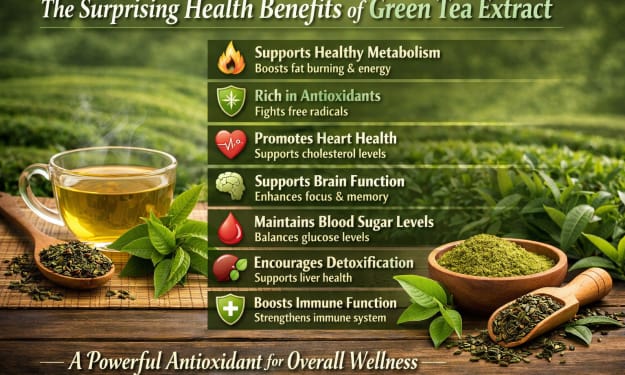
The Surprising Health Benefits of Green Tea Extract
In the world of natural wellness, few ingredients have gained as much attention as green tea extract. Used for centuries in traditional practices and now backed by modern research, this powerful plant compound offers a wide range of health benefits. If you're looking for a natural way to support your overall well-being, green tea extract might be worth understanding.
By Nenci Gajera 5 days ago in Lifehack



Comments
There are no comments for this story
Be the first to respond and start the conversation.