
keep your brain healthy
9 habits that sharpen your brain


Are you a student preparing for exams, a parent supporting your child's learning, or someone looking to sharpen your brain?
We all know that staying focused, memorizing concepts, and thinking need a lot of brain power. But did you know that what you eat directly affects how your brain functions?
Most people think of food as fuel for the body, but your brain is one of the most energy-demanding organs. What you eat determines how it functions. So remember , diet plays a key role in brain health. Thank God we are not charged for brain energy consumption; otherwise, our dads would ask us to switch it off!
How the Brain Uses Nutrients
Your brain neurons need the right nutrients to function properly. Just like a high-performance car needs quality fuel, your brain needs the right foods to boost memory, improve focus, and prevent sluggishness.
Feeding on junk food shifts your focus into reverse gear, applies the brakes on productivity, and bypasses memory. Before getting into the best foods for brain function, let’s talk about two foundational factors for brain health: sleep and exercise.
Sleep — The First Pillar of Brain Health
No matter how well you eat, if you’re not getting quality sleep, your brain will not function properly. Studies show that poor sleep leads to memory problems, reduced focus, and slower problem-solving skills. Staying up late at night before exams is a bad idea and will affect your memory and concentration.
So, parents, make sure your children have a consistent sleep schedule , it’s just as important as their study time. For adults, quality sleep can help prevent cognitive decline.

Exercise — Fuel for Focus and Clarity
Your brain needs oxygen and nutrients to function well, and good blood circulation ensures this. Cardiovascular exercises like jogging, skipping, or brisk walking improve blood flow, helping focus, memory, and overall brain performance.
A healthy heart pumps blood efficiently, leading to better concentration , a major advantage during exams. Regular exercise also helps prevent memory loss with age.
Omega-3 Fatty Acids — The Brain’s Best Friend
The brain is nearly 60% fat, and neurons are covered by a fatty layer that helps them communicate efficiently. The most beneficial fats for brain function are omega-3 fatty acids, especially EPA and DHA.
Most people don’t get enough of these. Omega-3s reduce stress, improve focus, and sharpen memory. Studies show that getting enough DHA and EPA can significantly improve cognitive function. Parents can add omega-3-rich foods into family meals to help children develop sharper skills. For adults, these fats support long-term brain health and reduce the risk of memory loss.
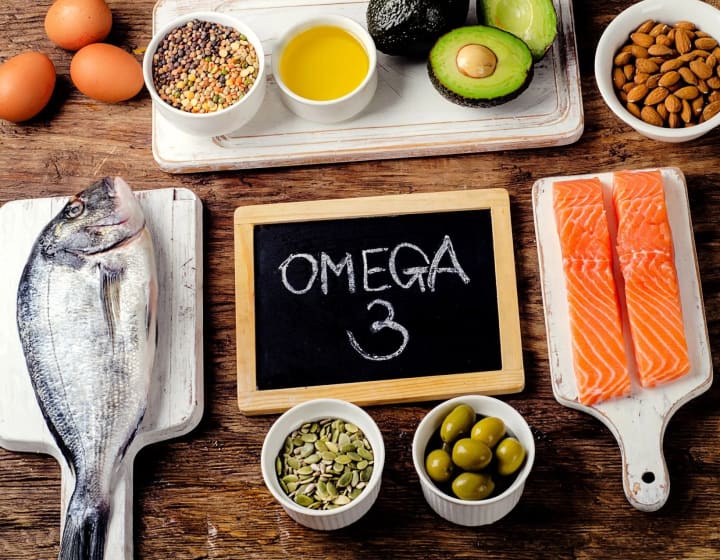
The best sources include fish such as salmon and anchovies. If you don’t eat fish or prefer plant-based options, algae-based supplements provide the same benefits as fish oil. Aim for 1.5 to 2 grams of EPA and DHA per day for optimal brain function.
Omega-3s also support heart health, which means better blood supply and improved brain performance. Foods like fish and walnuts also contain antioxidants, vitamins, and minerals that enhance cognitive performance.
Complex Carbohydrates — Steady Energy for the Mind
Unlike refined sugars that cause energy crashes, complex carbohydrates provide a steady release of glucose, keeping your brain energized all day.
Excellent sources include whole grains, oats, quinoa, sweet potatoes, and legumes. These foods help sustain focus and mental clarity.
Protein — Building Blocks of Brain Chemistry
Proteins play a key role in brain health because they contain amino acids , the building blocks of neurotransmitters, which enable brain cells to communicate.
Foods like eggs, lean meat, tofu, and lentils provide high-quality protein that supports memory, learning, and concentration.
Antioxidants and Hydration — Protect and Power Your Brain
Antioxidants protect the brain from oxidative stress and inflammation. Berries, dark chocolate, spinach, and broccoli are rich in antioxidants that maintain cognitive function and reduce the risk of brain-related diseases.
Hydration is just as important as nutrition. Even mild dehydration can impair performance, cause brain fog, and make it hard to focus. Drink enough water throughout the day. Coconut water is a great choice for hydration and nutrients.

Caffeine, Junk Food, and Smart Choices
Caffeine can boost alertness temporarily, but excessive use leads to crashes and stress. Limit energy drinks and multiple cups of coffee.
Avoid ultra-processed foods high in trans fats and refined sugars , they increase brain inflammation, sluggishness, and poor focus. Instead, snack on nuts for lasting energy.
Final Thoughts
Whether you are a student preparing for exams, a parent helping your child succeed, or an adult maintaining cognitive health , the right nutrition makes a huge difference.
Think of it this way: an athlete wouldn’t eat junk food before a major competition. So why would you fuel your brain with the wrong foods before an important exam or meeting?
A well-balanced diet with brain-boosting nutrients will help you stay sharp, focused, and at your best.
About the Creator
Keep reading
More stories from Mahboubeh Fallahi and writers in Lifehack and other communities.
Top Attractions of the Everest Region: Gokyo Lakes and Ama Dablam Peak
The Everest Region is famous for its majestic mountains, especially the highest peak in the world, but there is much more to explore beyond Everest. There lie pristine and lesser-known gems waiting to be explored with relatively fewer people around.
By Alex Winslow4 days ago in Lifehack
Review of 'Man on the Run'
My wife and I saw Man on the Run, a nearly 2-hour documentary on Amazon Prime, about Wings, Paul McCartney's group that flew around the world from shortly after The Beatles broke up in early 1970 to shortly after John Lennon was murdered at the end of 1980, making a Beatles reunion forever impossible.
By Paul Levinson7 days ago in Beat


Comments (2)
This is Truly amazing knowledge and research, you have done and simply know, the style of your writing makes it really readable for many of your readers amazing job.
thanks . helpful