
"Join the Fight Against Cancer: Awareness Leads to Early Detection and Prevention"
"Raising Awareness, Improving Outcomes, Saving Lives"

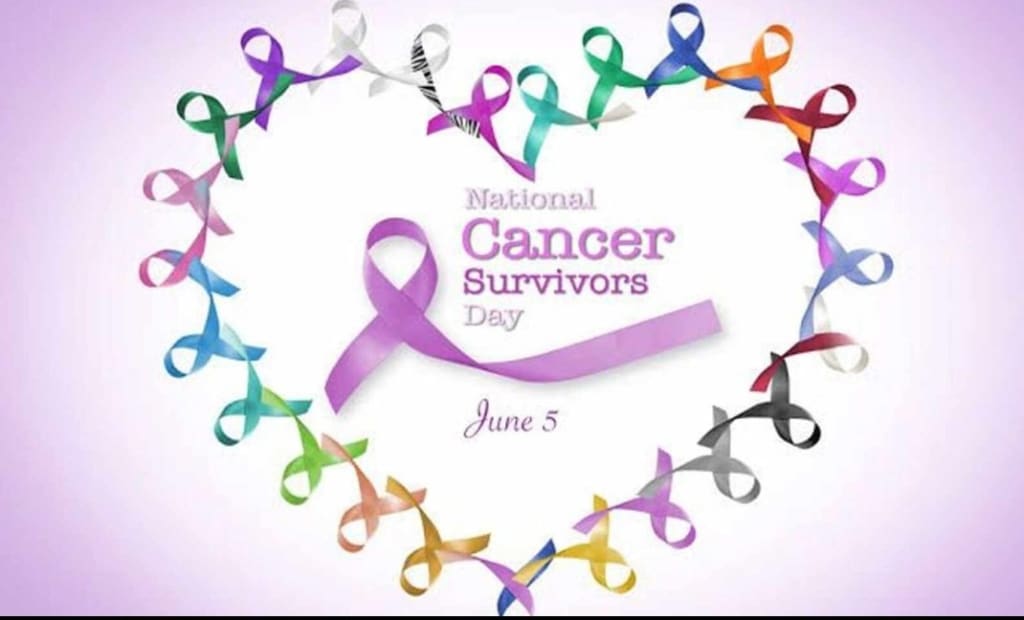
What is Cancer?
Cancer is a group of diseases characterized by the uncontrolled growth and spread of abnormal cells. It can occur in almost any part of the body and has the potential to spread to other parts through the bloodstream or lymphatic system. There are many different types of cancer, each with its own specific set of symptoms, causes, and treatments. Some common types include breast cancer, lung cancer, prostate cancer, and colon cancer. The causes of cancer can be complex and include genetic mutations, exposure to certain chemicals or substances, and certain lifestyle factors such as tobacco use, poor diet, and lack of physical activity.
Cancer Screening
Cancer screening is a medical test that is performed on people who do not have any symptoms of cancer but may be at an increased risk due to factors such as age, family history, or lifestyle. The goal of cancer screening is to detect the disease in its early stages when it is most treatable. Some standard cancer screening tests include mammography for breast cancer, Pap tests for cervical cancer, colonoscopy for colorectal cancer, and prostate-specific antigen (PSA) tests for prostate cancer. Screening is not a diagnostic test, but it can help identify the need for further testing and prompt earlier treatment if necessary. Talking to your doctor about what screening tests may be proper for you based on your age, risk factors, and overall health is important.
Oncology
Oncology is the branch of medicine that deals with the study and treatment of cancer. It includes the diagnosis, treatment, and management of patients with cancer, as well as the study of the causes and mechanisms of the disease.
The primary goal of oncology is to cure cancer or control its growth and spread. This is achieved through a variety of treatments including surgery, chemotherapy, radiation therapy, and immunotherapy. In some cases, a combination of treatments may be used.
Oncologists, who are doctors specialized in oncology, work closely with a team of healthcare professionals, including surgeons, radiation oncologists, nurse practitioners, and others, to develop individualized treatment plans for each patient.
In addition to treatment, oncologists also provide supportive care to help manage symptoms and side effects of cancer and its treatment. This can include pain management, nutrition support, and psychological support.
Overall, oncology medicine plays a crucial role in improving the lives of people with cancer and reducing the impact of the disease on society. Breast Cancer is a type of cancer that develops in the cells of the breast. It is one of the most common types of cancer in women and can also occur in men, although it is rare. The exact cause of breast cancer is not known, but certain risk factors have been identified, including age, family history of breast cancer, exposure to estrogen, and certain genetic mutations.
Breast Cancer
Breast cancer can present with various symptoms, including a lump in the breast, changes in the shape or size of the breast, skin changes, such as dimpling or redness, and discharge from the nipple. However, many cases of breast cancer are detected through routine mammograms before any symptoms have developed.
Diagnosis of breast cancer typically involves a physical examination, mammogram, biopsy, and other imaging tests. Treatment options for breast cancer depend on the stage and type of cancer, as well as the patient's overall health and preferences. The main treatments for breast cancer include surgery, radiation therapy, chemotherapy, and hormonal therapy. In some cases, a combination of these treatments may be recommended.

Breast Cancer Awareness Month is observed in October each year to increase public awareness of the disease and the importance of early detection. The month is marked by various events and activities aimed at educating the public about the signs and symptoms of breast cancer, the importance of regular mammograms, and the latest advances in treatment.
Early detection is key to successfully treating breast cancer, and regular mammograms are the most effective way to detect the disease in its early stages. Women over the age of 40 should have a mammogram at least once a year, and women with a family history of breast cancer or other risk factors may need to start screening earlier and have more frequent mammograms.
In conclusion, breast cancer is a serious disease that affects millions of people around the world, and early detection is essential for successful treatment. Regular mammograms and self-examinations can help detect the disease in its early stages, and public awareness campaigns like Breast Cancer Awareness Month play a crucial role in promoting early detection and improving the lives of those affected by the disease.
Awareness and Prevention
Here are some prevention keys to fighting cancer early detection:
Screening
Healthy lifestyle
Diet
Exercise
Avoid tobacco
Limit alcohol consumption
UV protection
Vaccination
Regular check-ups
Risk factors management
Healthy weight
Stress management
Avoid exposure to toxins
Genetics and family history
Awareness
Yes, awareness and prevention are important in the fight against cancer. By raising awareness, people can learn about the risk factors and symptoms of cancer, as well as ways to reduce their risk. Prevention strategies, such as lifestyle changes and early detection screenings, can help detect cancer in its early stages when it is most treatable. Additionally, cancer research is constantly improving treatments and finding new ways to prevent and cure the disease, making awareness and prevention even more critical.
About the Creator
Nivas
If you find this piece interesting, please consider leaving a ❤️, or even a tip. Your support means a lot to me as a writer! connect with me for exciting stories.
Top 10 Questions to Ask Every Perth NDIS Service Before You Engage Them
Choosing the right National Disability Insurance Scheme (NDIS) provider shapes the quality of care, independence, and outcomes a participant experiences. In Perth, families and participants face a growing number of service options, which makes informed decision-making essential.
By Anshul Vijay2 days ago in Lifehack
9 Foods You Should Never Eat Past the Expiration Date, No Exceptions
But certain foods cross a line where the expiration date becomes about more than just quality—it’s about safety. Eating past that line can expose you to dangerous bacteria, toxins, or nutrient loss you can’t see or smell. Knowing which foods to never push beyond their expiration dates is key to keeping your kitchen safe. Here are the nine foods that are not worth the risk.
By General gyana day ago in Lifehack




Comments
There are no comments for this story
Be the first to respond and start the conversation.