
Jacket Patches: Add Personality to Your Outerwear
Jacket Patches
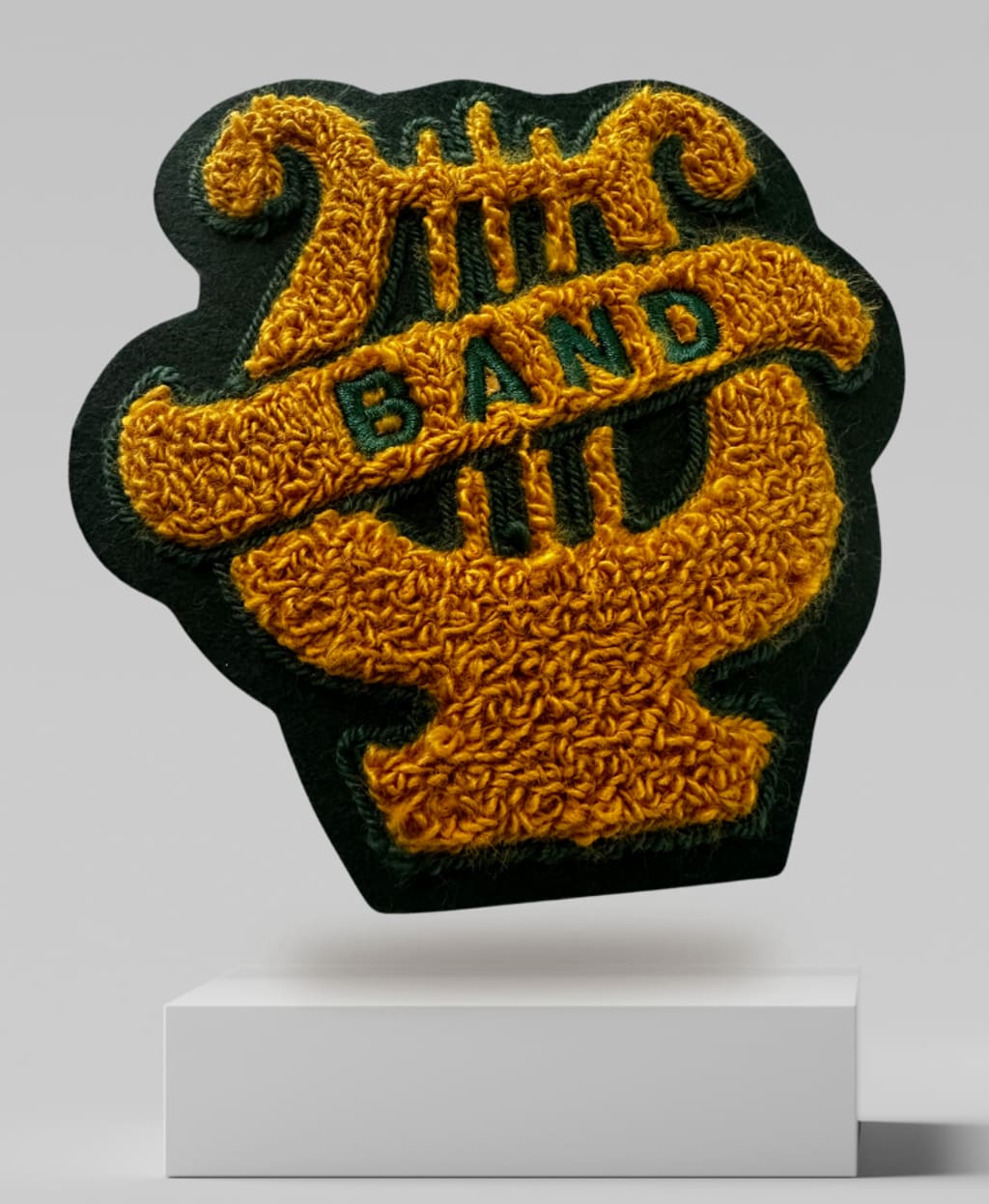
Patches for jackets have become a vibrant way to transform ordinary outerwear into a canvas for self-expression, storytelling, and style. From the iconic chenille patches on varsity jackets to embroidered designs on denim or sleek bombers, patches add a unique, tactile dimension that celebrates individuality. Whether you’re a student showcasing school pride, a fashion enthusiast embracing retro vibes, or a brand promoting a logo, patches offer endless creative possibilities. In this blog, we’ll explore their history, types, applications, styling tips, and answer common questions to highlight why patches for jackets are a timeless and versatile trend.
The History of Jacket Patches
The tradition of patches on jackets began in the late 19th century at Harvard University, where the baseball team introduced sweaters with embroidered “H” letters in 1865 to signify varsity status. By the 1930s, this evolved into the letterman jacket, featuring wool bodies, leather sleeves, and chenille patches displaying letters, numbers, or mascots. These patches became symbols of achievement, awarded to students for excellence in sports, academics, or extracurricular activities.
Patches soon spread beyond varsity culture. Military uniforms used them to denote rank or unit, while 1950s and 60s subcultures like bikers and punks adorned denim jackets with patches to express rebellion or affiliation. Today, patches are a global phenomenon, embraced by fashion brands like Supreme, Gucci, and Off-White, as well as schools and businesses. Their journey from academic prestige to high fashion reflects their ability to blend tradition with modern creativity.
Why Patches for Jackets Are Popular
Patches are cherished for their ability to convey a story in a single design. A patch might represent a sports victory, a travel memory, a band fandom, or a brand logo, making jackets a wearable narrative. Their tactile quality—whether plush chenille, detailed embroidery, or durable PVC—adds visual and physical depth, transforming a plain jacket into a standout piece. Patches are also built to last, retaining vibrant colors and textures through years of wear.
Custom letterman patches are particularly valued because they allow wearers to craft designs that reflect their personal achievements or team spirit, turning jackets into cherished keepsakes. They’re a favorite for schools celebrating milestones, businesses enhancing branded apparel, and individuals adding flair to their wardrobe. Their versatility spans nostalgic mementos, fashion statements, and promotional tools, making them a universal choice for personalization across generations and contexts.
Types of Patches for Jackets
Patches come in various styles, each offering unique aesthetics and applications:
- Chenille Patches: Known for their fuzzy, plush texture, these are iconic on varsity jackets. They’re ideal for bold designs like letters, mascots, or logos, offering a retro, three-dimensional look.
- Embroidered Patches: Using dense stitching, these are perfect for intricate designs, such as text, logos, or detailed graphics, and work well on denim, leather, or canvas jackets.
- Woven Patches: With finer threads, woven patches provide crisp details for smaller or complex designs, like slogans or icons, adding a sleek touch to jackets.
- Printed Patches: These feature photorealistic images or gradients, great for artistic designs on lighter fabrics like nylon or cotton.
- PVC Patches: Made of durable, weather-resistant plastic, these are ideal for outdoor jackets, offering bold, colorful logos with a modern edge.
Choosing the right patch depends on the jacket’s material and the story you want to tell, with chenille being the classic choice for varsity jackets and embroidered patches suiting versatile styles.
Designing and Applying Custom Patches
Creating custom patches is a creative process that combines artistry and craftsmanship. Here’s how it works:
- Design Concept: Start with an idea—your school’s initials, a team mascot, a personal monogram, or a quirky graphic. Sketch it or collaborate with a designer to refine your vision.
- Color and Material: Select vibrant colors for chenille or embroidered patches, often paired with a felt backing for contrast. Woven or printed patches allow for subtle tones or complex images.
- Size and Shape: Patches range from 2 to 12 inches and can be round, square, or custom-cut to match your design. Large patches suit jacket backs, while smaller ones work for sleeves or pockets.
- Production: Manufacturers use specialized machines to weave chenille, embroider details, or print designs, ensuring precision and durability. Platforms like Varsity Made (varsitymade.co) offer online tools for seamless customization.
- Application: Choose sew-on for permanence (best for wool or leather), iron-on for convenience, adhesive for temporary use, or Velcro for flexibility. Ensure the method matches your jacket’s material to avoid damage.
Proper design and application create a patch that’s visually striking and long-lasting, enhancing your jacket’s appeal.
Styling Patches on Jackets
Patches can elevate any jacket, from varsity to denim to bomber styles. Here are some styling ideas:
- Varsity Classic: Sew a large chenille patch (like a varsity letter or mascot) onto a letterman jacket. Add smaller patches for your name or team number, pairing with jeans and sneakers for a timeless, school-inspired look.
- Denim Rebel: Add embroidered or woven patches to a denim jacket for a retro, rebellious vibe. Place them on the back or sleeves and pair with a graphic tee, ripped jeans, and boots for streetwear flair.
- Bomber Modern: Use PVC or printed patches on a bomber jacket for a sleek, contemporary aesthetic. Pair with joggers and high-top trainers for an athleisure-inspired outfit.
- DIY Creativity: Iron patches onto a canvas or nylon jacket for a playful, personalized touch. Mix colors and shapes, pairing with simple clothing to let the patches stand out.
Placement is key—large patches shine on the back or chest, while smaller ones suit sleeves or pockets. Keep accessories minimal to highlight the patches’ bold design.
Conclusion
Patches for jackets are a dynamic way to personalize outerwear, blending tradition with individuality. From their origins in varsity culture to their modern role in fashion and branding, they’ve proven their enduring appeal. Whether you choose plush chenille, detailed embroidery, or durable PVC, patches transform jackets into wearable stories, celebrating achievements, passions, or brands. Their customization potential, durability, and nostalgic charm make them a perfect addition to any jacket, from school keepsakes to streetwear staples. So, design a patch, style your jacket, and wear your story with pride.
FAQs About Patches for Jackets
1. What are the main types of patches for jackets?
Popular types include chenille (fuzzy, plush), embroidered (detailed stitching), woven (crisp details), printed (photorealistic), and PVC (weather-resistant), each suited to different jacket styles like varsity, denim, or bomber.
2. How do I attach patches to a jacket?
Sew-on is durable for wool or leather, iron-on is convenient, adhesive is temporary, and Velcro is removable. Check your jacket’s material for compatibility.
3. How long does it take to get custom patches?
Production typically takes 2–4 weeks, depending on design complexity and quantity. Rush options may be available for faster delivery.
4. Can I add patches to an existing jacket?
Yes, tailors or specialty shops can sew or iron on patches. Some retailers offer services to update older jackets with new designs.
5. Are jacket patches durable?
With proper care, patches are built to last. Spot clean or dry clean to maintain texture and color, avoiding harsh machine washing.
6. How much do custom patches cost?
Prices start at $5–$15 per patch, varying by type, size, and quantity. Bulk orders often reduce costs—request a quote for specifics.
7. Can patches be applied to any jacket material?
Most jackets (denim, wool, leather, nylon) work well, but delicate fabrics like silk may require sew-on patches to avoid damage. Consult your manufacturer for guidance.
About the Creator
Keep reading
More stories from varsity made and writers in Lifehack and other communities.
Letterman Jackets: Timeless Style & Achievement
Letterman jackets, with their bold colors, iconic patches, and rich history, are more than just outerwear—they’re a celebration of school pride, personal milestones, and individual expression. Rooted in American high school and college traditions, these jackets have transcended their athletic origins to become a versatile fashion staple. From students earning their varsity letters to fashion enthusiasts embracing retro aesthetics, letterman jackets hold a unique place in culture. In this blog, we’ll explore their origins, significance, customization options, styling tips, and answer common questions to showcase why letterman jackets remain a beloved icon.
By varsity made6 months ago in Lifehack
Why More Parents Are Choosing Organic Baby Clothes (and What It Means for the Future of Childhood)
Parenthood has a way of changing how we see the world — especially the small, everyday choices that quietly shape our children’s lives. From the food they eat to the toys they play with and the clothes that touch their skin, many parents today are looking beyond convenience and price tags and asking a deeper question: What’s actually best for my child in the long run?
By Car Detail Calgarya day ago in Lifehack



Comments
There are no comments for this story
Be the first to respond and start the conversation.