
Is Your Sharp Back Pain Showing Signs of a Slipped Disc?
Learn to identify the warning signs of a herniated disc and explore effective treatment options to relieve back pain and restore mobility.

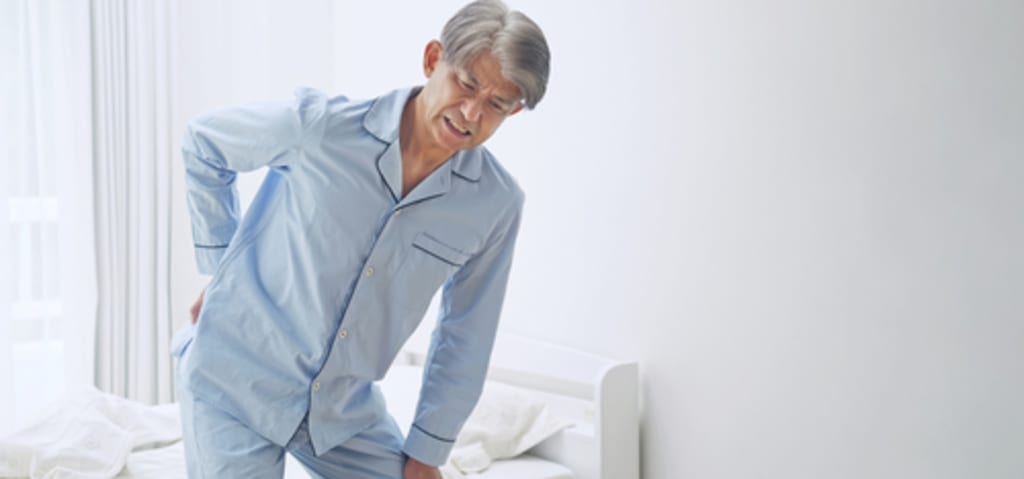
Low back pain is a common issue affecting millions of people around the world. It can interfere with work, physical activity, and daily routines. While back pain can arise from several causes, one of the more serious and common culprits is a slipped disc, also known as a herniated disc.
Understanding how to recognize the signs and symptoms of a slipped disc is crucial. Early diagnosis and appropriate treatment can significantly reduce pain and prevent long-term complications.
What Is a Slipped or Herniated Disc?
Your spine is made up of a stack of vertebrae separated by soft discs. These intervertebral discs act as cushions, absorbing shock and allowing flexibility in your spine. Each disc contains a firm outer layer and a soft, gel-like interior.
A slipped or herniated disc occurs when the disc's outer layer becomes damaged or weak, causing the inner material to push through. When this protrusion compresses nearby nerves, it can lead to sharp, radiating pain and other neurological symptoms.
Common Symptoms of a Slipped Disc
A herniated disc can cause a wide range of symptoms depending on its location and severity. Here are the most frequent signs to watch for:
1. Sharp Lower Back Pain
Many people with a slipped disc experience intense pain localized in the lower back. This pain may worsen with movement, especially when bending or twisting.
2. Radiating Pain Down the Leg (Sciatica)
When the herniated disc affects the sciatic nerve, it can cause pain that travels from the lower back down one leg. This condition, known as sciatica, often feels like a sharp, shooting pain.
3. Tingling or Numbness
Compressed nerves can result in tingling sensations, numbness, or a pins-and-needles feeling in the legs, feet, or toes.
4. Muscle Weakness
Nerve pressure can interfere with muscle control, leading to weakness in the legs or lower body. This can make activities like climbing stairs or standing difficult.
5. Pain That Worsens When Sitting or Lifting
Prolonged sitting, lifting heavy objects, or bending forward can aggravate the pain associated with a herniated disc.
When to See a Doctor
While occasional back pain is normal, certain warning signs suggest a more serious problem requiring medical attention:
- Pain that doesn’t improve after several days of rest
- Numbness or weakness that affects walking
- Loss of bladder or bowel control
- Increasing pain with activity or movement
If you experience any of these symptoms, it’s important to consult a healthcare professional. Early evaluation helps determine whether a slipped disc is the cause and what treatment is needed.
How a Slipped Disc Is Treated
The approach to treating a slipped disc depends on the severity of the condition. Treatments typically range from conservative care to surgical options in severe cases.
1. Non-Surgical Treatment
For many patients, a combination of rest and conservative therapies provides relief:
- Activity Modification: Avoiding heavy lifting and giving your back time to heal.
- Physical Therapy: Specific exercises can help strengthen back muscles and improve posture.
- Medications: Anti-inflammatory medications and muscle relaxants can reduce pain and swelling.
2. Advanced Interventions
When conservative methods aren’t enough, other options may be considered:
- Epidural Steroid Injections: These can reduce inflammation around the affected nerve roots.
- Spinal Decompression Therapy: A non-invasive treatment that reduces pressure on the spinal discs.
- Targeted Exercise Programs: These improve spinal alignment and relieve nerve pressure.
3. Surgical Treatment
Surgery is typically reserved for severe cases where other treatments have failed. Surgical options may include:
- Discectomy: Removal of the herniated portion of the disc.
- Spinal Fusion or Disc Replacement: Used in cases of chronic or recurrent disc issues.
The Role of Pain Management in Recovery
Working with a pain management specialist can be incredibly beneficial for those suffering from chronic back pain due to a slipped disc. These professionals tailor treatment plans based on your specific needs and offer a range of solutions:
- Physical rehabilitation
- Interventional pain procedures
- Medication management
A personalized pain management plan can enhance healing, restore mobility, and significantly improve your quality of life.
Don’t Ignore the Signs—Seek Relief Today
Back pain caused by a herniated disc can seriously impact your ability to live and move comfortably. Recognizing the symptoms early and seeking appropriate treatment can prevent complications and lead to faster recovery.
If you're experiencing persistent sharp pain, leg discomfort, or numbness, don’t wait. Talk to a healthcare provider or pain specialist to explore your options and start your journey toward relief and improved spinal health.
About the Creator
Apex Interventional Pain & Spine
At Apex Interventional Pain & Spine founded by Dr. Khan, we help patients from Coppell and surrounding areas, including Grapevine, Carrollton, and Plano, Texas, live a pain-free life with our customized, superior care.
Keep reading
More stories from Apex Interventional Pain & Spine and writers in Lifehack and other communities.
How to Manage Lower Back Muscle Strain and Relieve Discogenic Strain?
Lower back pain is a widespread issue affecting millions of individuals at some point in their lives. Among the various causes, two of the most common are lower back muscle strain and discogenic pain. While both conditions cause discomfort, they originate from different sources and require distinct treatment strategies. Understanding the differences between them is essential for effective management and long-term relief.
By Apex Interventional Pain & Spine8 months ago in Lifehack
📢 Raise Your Voice Thread: 01/22/2026
Our “Raise Your Voice Threads” are hosted most alternating Thursdays at 12PM ET to offer creators more avenues to uncover exceptional stories on Vocal. As we are continuously searching for fresh creators and inspiring stories, this thread provides an opportunity to exchange and discuss the stories that have moved and motivated us on Vocal.
By Raise Your Voice by Vocal3 days ago in Resources



Comments
There are no comments for this story
Be the first to respond and start the conversation.