
Is Laser Hair Removal Safe? What You Need to Know
A science-backed look at the risks, side effects, and precautions you should understand before starting treatment.

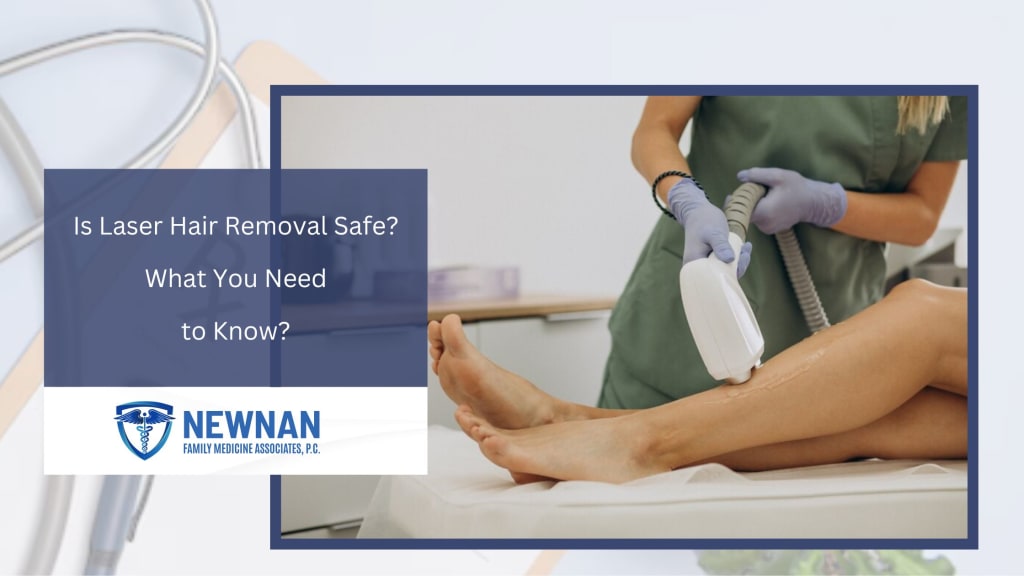
Tired of the endless cycle of shaving, waxing, or plucking? You’re not alone. Millions of people are turning to laser hair removal in search of a longer-term solution to unwanted hair. But while the promise of smooth, stubble-free skin is tempting, many are left wondering: Is laser hair removal really safe?
Let’s break it down—what the treatment involves, the risks you should be aware of, and how to protect your skin throughout the process.
How Laser Hair Removal Works (in Simple Terms)
Laser hair removal uses concentrated light energy to damage the hair follicle, slowing or even preventing future hair growth. The laser targets melanin—the pigment in the hair—which absorbs the light and converts it into heat. This heat damages the follicle just enough to disrupt its growth cycle.
Different types of lasers (like diode, Alexandrite, and Nd:YAG) are used depending on your skin tone and hair type. The more contrast there is between your hair and skin color, the more effective the treatment usually is.
Is It Actually Safe?
When performed by a trained, licensed professional using FDA-approved devices, laser hair removal is considered very safe for most people. In fact, it’s one of the most commonly performed cosmetic procedures globally—with millions of successful treatments each year.
However, that doesn’t mean it’s risk-free. Knowing what to expect and where to go makes all the difference.
What Side Effects Should You Expect?
Most side effects are mild and temporary, especially if you're treated in a reputable clinic. Common reactions include:
- Redness and irritation for a few hours post-treatment (like a light sunburn)
- Slight swelling around the hair follicles
- Temporary skin sensitivity
These symptoms usually disappear within 24–48 hours and are signs that the treatment is working as intended.
Rare But Possible Risks
Though uncommon, more serious side effects can occur if the treatment isn't done properly or if you're not a good candidate. These may include:
- Hyperpigmentation or hypopigmentation (darkening or lightening of the skin)
- Burns or blistering, especially if incorrect settings are used
- Scarring, although rare
- Eye injury—which is why protective eyewear is a must during the procedure
This is why it’s crucial to choose a provider who understands laser physics, skin types, and proper safety protocols.
What About Different Skin Tones?
In the past, laser hair removal worked best for people with light skin and dark hair. But modern lasers, like the Nd:YAG laser, are safer and more effective for darker skin tones.
Still, those with more melanin in their skin need to be cautious, as incorrect treatment can increase the risk of pigmentation changes or burns. Always ensure your provider uses the right laser technology for your skin tone.
Who Should Think Twice?
Laser hair removal might not be for everyone. You should speak to a professional first if:
- You’re pregnant (most clinics recommend postponing)
- You have skin conditions like eczema or psoriasis in the treatment area
- You’re prone to keloid scarring
- You've had a recent tan or significant sun exposure
- You use medications that make your skin more sensitive to light
If you're unsure, a patch test or consultation can help determine if you're a good candidate.
How to Prepare for a Safe Treatment
A little preparation can go a long way in minimizing side effects and boosting results:
- Shave the area 24 hours before your session (don’t wax or pluck)
- Avoid sun exposure for 2 weeks before and after treatment
- Skip tanning products or harsh exfoliants beforehand
- Follow all aftercare instructions from your provider carefully
How to Choose the Right Provider
Not all clinics are created equal. Safety depends heavily on who’s performing the procedure and the equipment they’re using. Look for:
- A licensed and trained laser technician or medical provider
- Clinics with experience treating your skin tone
- Facilities that offer patch tests or consultations
- Transparent communication about risks and expectations
Don’t let flashy deals or discounts tempt you—prioritize safety and experience over cost.
Final Thoughts: Is It Worth It?
Laser hair removal is generally safe, effective, and incredibly convenient—when done correctly. The key is doing your homework, choosing a trusted provider, and setting realistic expectations. For many, the benefits far outweigh the risks.
Disclaimer: Please note that this information is for educational purposes only. There is no patient-doctor relationship established. Please consult your healthcare provider for individualized recommendations.
About the Creator
Keep reading
More stories from Newnan Family Medicine and writers in Lifehack and other communities.
How Lifestyle Changes Can Help You Pass the DOT Physical
If you're a commercial driver, passing the Department of Transportation (DOT) physical exam is more than just a regulatory requirement - it's a reflection of your overall health and your ability to safely operate a commercial motor vehicle. The DOT physical assesses several aspects of your physical and mental condition, including vision, hearing, blood pressure, cardiovascular health, and general fitness.
By Newnan Family Medicine8 months ago in Lifehack
Your AI Houseplant Coach: The 5 Most Common Mistakes & How to Avoid Them
We bring plants into our homes as living pieces of joy, creativity, and calm. Yet, that relationship can sometimes feel fraught with anxiety—a yellow leaf feels like personal criticism, a drooping stem a sign of failure. Having analyzed countless care queries and plant health data at AI Plant Finder, I’ve seen clear patterns emerge. The journey from a nervous plant owner to a confident grower isn't about having a "green thumb"; it's about unlearning a few common, well-intentioned mistakes. Consider this your friendly, data-informed coaching session. Let's replace guilt with understanding and turn those common pitfalls into stepping stones for growth, mirroring how a supportive creative community helps us refine our craft.
By Emma Wallaceabout 5 hours ago in Lifehack
How to Succeed at the Benson Directory®
Congratulations and welcome to the Benson Directory® employee #22391! As our newest call handler, you will have the privilege of speaking with dozens of unique and interesting people on a daily basis as well as the opportunity to earn bonuses for high performance. Contained within this handbook you will find a set of ease to follow instructions designed to help you settle in to your new role and begin paving the way to success.
By S. A. Crawford5 days ago in Fiction




Comments
There are no comments for this story
Be the first to respond and start the conversation.