
Is Collagen the Answer to Acne Scars? A Guide to Healing Your Skin
Discover How Collagen Skincare Can Transform Your Skin’s Healing Journey
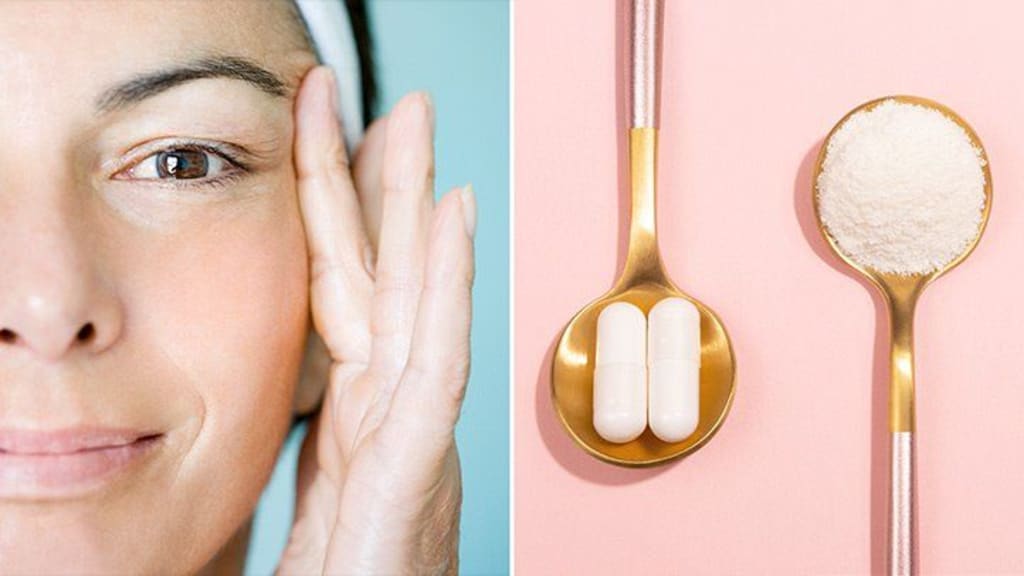
Acne scars can leave a lasting impact on our skin, often affecting confidence and self-esteem. For those who have tried various treatments without success, collagen skincare might hold the key to healing. Collagen, a naturally occurring protein in our skin, is essential for skin elasticity and structure. Over recent years, it’s become a popular ingredient in skincare, touted for its potential in reducing wrinkles, fine lines, and now, even acne scars. But is collagen really the answer? In this guide, we’ll explore how collagen works, its benefits for acne scars, and how to incorporate it into your skincare routine effectively.
Understanding Collagen: The Foundation of Healthy Skin
What Is Collagen?
Collagen is the most abundant protein in the human body, making up approximately 70% of our skin’s structure. It provides support, strength, and elasticity, giving skin its youthful appearance. However, as we age, collagen production decreases, leading to sagging skin, wrinkles, and a slower healing process. This is why collagen is increasingly seen in skincare products, aiming to replenish and support the skin’s natural structure.
Why Collagen Matters for Acne Scars
Acne scars, particularly pitted or indented scars, are caused by damage to the skin’s structure, specifically collagen breakdown. When collagen levels are insufficient, the skin can struggle to repair itself properly, resulting in visible scars. This makes collagen a promising candidate for scar treatment since it helps repair damaged skin by encouraging new tissue growth and filling in scars over time.
How Collagen Helps Reduce Acne Scars
Promotes Skin Regeneration
Collagen is a crucial component of the skin’s healing process. When applied topically or stimulated through treatments, collagen production can help repair damaged skin tissue. By increasing collagen levels, the skin can naturally start to fill in and smooth out indented scars caused by acne.
Improves Skin Elasticity and Texture
Acne scars are often accompanied by uneven skin texture. Collagen works to improve skin’s firmness and elasticity, which can reduce the appearance of scars and give the skin a smoother, healthier look over time.
Supports Hydration for Enhanced Healing
Collagen-infused skincare products often include hydrating ingredients that keep the skin moisturized. Proper hydration is essential for skin healing because it allows new cells to develop in an optimal environment. This can accelerate the healing of acne scars, especially when combined with collagen.
Types of Collagen Treatments for Acne Scars
Collagen can be introduced into the skin in multiple ways, each method offering unique benefits. Here’s a look at some popular collagen-based treatments for acne scars:
Collagen Creams and Serums
Collagen creams and serums are widely available and convenient for daily use. Although collagen molecules are typically too large to penetrate deep into the skin, many collagen skincare products contain smaller, hydrolyzed collagen peptides, which can better absorb into the skin. These products work well for mild scar improvement and general skin hydration.
Microneedling with Collagen-Boosting Serums
Microneedling is a minimally invasive procedure that involves tiny needles creating micro-injuries in the skin. This process stimulates collagen production, aiding in the repair of acne scars. Many skincare professionals use collagen-boosting serums during or after microneedling to enhance the results.
Collagen Supplements
Collagen supplements, available in powder, capsule, and liquid forms, are designed to boost collagen production from the inside out. Taking collagen supplements may not directly reduce acne scars, but it can improve overall skin quality, making scars less visible over time.
Platelet-Rich Plasma (PRP) Therapy
PRP therapy involves drawing a small amount of your blood, separating the plasma, and injecting it back into the skin to stimulate collagen production. When combined with microneedling, PRP can have a powerful effect on reducing acne scars by promoting natural collagen growth.
Laser Treatments
Laser treatments such as fractional lasers and CO2 lasers are effective for collagen stimulation. They work by heating the deeper layers of the skin, encouraging new collagen formation. Over time, this helps smooth out acne scars. However, laser treatments typically require downtime and can be costly, so they may not be suitable for everyone.
Incorporating Collagen Skincare into Your Routine
Using collagen skincare products at home can complement professional treatments, especially for those who prefer a non-invasive approach. Here are some steps for integrating collagen into your routine effectively:
Cleanse with Gentle Products
Begin with a mild, non-irritating cleanser. Avoid harsh cleansers that strip the skin of moisture, as they can disrupt the skin barrier and counteract the benefits of collagen products.
Apply a Collagen Serum
Collagen serums are a fantastic way to deliver hydrolyzed collagen directly to the skin. Look for serums with peptides, vitamin C, or hyaluronic acid, as these ingredients work together to improve collagen absorption and support skin healing.
Moisturize with Collagen Cream
A collagen-infused moisturizer helps seal in hydration, which is essential for maintaining a healthy environment for skin healing. Apply it after your serum to lock in moisture and boost the effects of your other collagen products.
Consider Collagen-Boosting Ingredients
Collagen products work best when combined with ingredients like retinol, vitamin C, and peptides. Retinol encourages cell turnover, vitamin C brightens skin and stimulates collagen, and peptides support collagen production, giving your skin an extra boost.
Use Sunscreen Daily
UV exposure breaks down collagen, so applying a broad-spectrum SPF is essential for protecting your skin. Sunscreen will help prevent further collagen damage and protect your skin from darkening any existing acne scars.
Expected Results and Timeframe
Healing acne scars takes time, and collagen treatments are no exception. Here’s what to expect in terms of results:
Short-Term (1–2 months): Initial improvements in hydration and skin texture, with some reduction in redness or discoloration.
Medium-Term (3–6 months): Noticeable improvements in skin smoothness, elasticity, and reduction in scar depth.
Long-Term (6–12 months): With consistent use and proper skincare, scars should appear significantly diminished, and skin texture should feel firmer and more resilient.
Consistency is key with collagen treatments, especially when dealing with older or deeper scars. Pairing at-home collagen skincare with professional treatments can often accelerate results.
Potential Risks and Side Effects
While collagen skincare is generally safe, some people may experience mild irritation, particularly if they have sensitive skin or if the products contain additional active ingredients. To avoid this, always do a patch test before applying a new collagen product to your face.
For those undergoing microneedling, PRP, or laser treatments, consult a dermatologist beforehand to ensure you’re a good candidate, as some of these treatments may require post-care and could have temporary side effects like redness or swelling.
Final Thoughts: Is Collagen the Answer to Acne Scars?
While collagen isn’t a miracle cure for acne scars, it offers a promising and natural way to help repair and rejuvenate damaged skin. By stimulating skin’s natural healing process and filling in scarred areas, collagen can make a noticeable difference in the appearance of acne scars, particularly when used consistently in a well-rounded skincare routine. Whether you’re trying collagen creams, undergoing microneedling, or exploring collagen supplements, patience is essential.
Collagen skincare can be a valuable addition to your skincare arsenal, helping you regain confidence in your skin and gradually fade those stubborn scars. So, if you’re ready to invest in the health of your skin, collagen might just be the answer you’ve been searching for.
About the Creator
Astrology The New Lifehack
Success is often portrayed as a straight line: set a goal, work hard, and eventually you’ll get there. But real life is rarely that simple. Motivation rises and falls, opportunities appear and disappear, and sometimes effort alone doesn’t seem to be enough. Astrology offers a different perspective on success—one that focuses on timing, self-awareness, and alignment rather than constant pushing.
By Anthony Bahamonde6 days ago in Lifehack




Comments
There are no comments for this story
Be the first to respond and start the conversation.