
Is Calorie Counting a SCAM?
The Complex Science of Calories: Beyond the Basics of Energy Measurement

Three cucumbers Three carrots and two heads of lettuce provide 100 calories, but a quarter-teaspoon of ranch dressing quickly adds an additional 100 calories. Only four tablespoons of hummus have the same amount of calories as half a cup of chickpeas. This is because hummus includes high-fat olive oil, which raises the calorie content. But what exactly is a calorie?
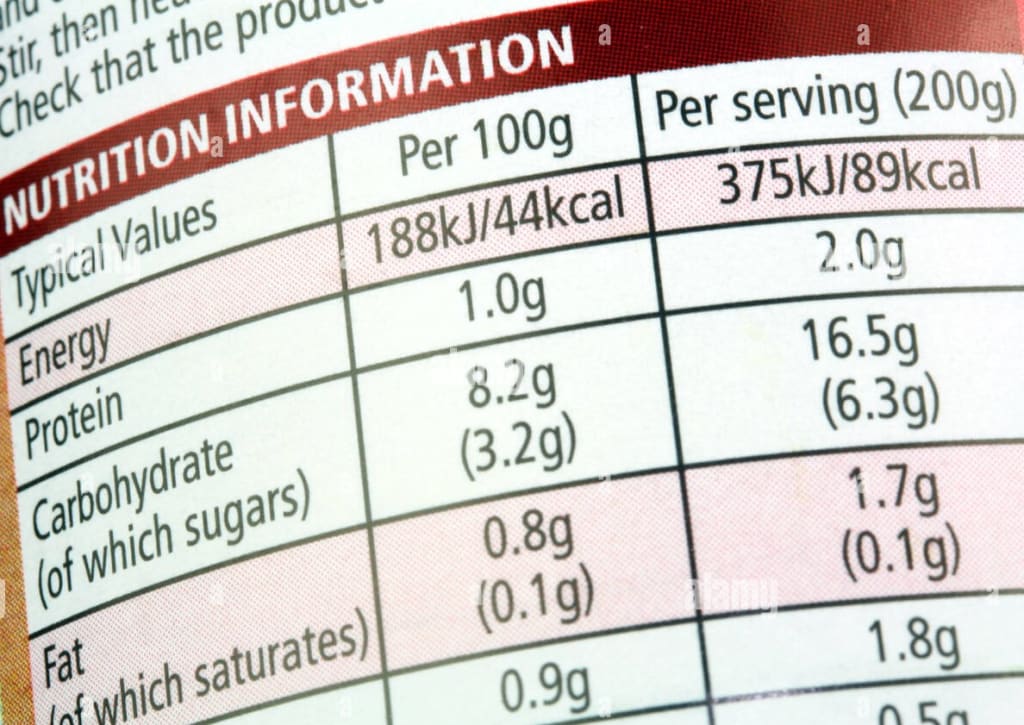
A calorie is just a measurement of energy in food. A calorie with an upper kc, however, is significant because it represents the amount of energy required to heat one kilogram of water by one degree Celsius. Put another way, it represents the amount of energy present in the foods we eat. This is why we have become so fixated on counting calories: if we consume more energy than we burn, it may be stored as fat or muscle. Our society appears to be preoccupied with fat and muscle, but the method by which we actually calculate calories in food is based on the at water system, which was developed over a century ago.
As we already know, not all calories are created equal, and where you obtain your calories from matters. Mr. Atwater essentially said that there are four calories per gram of protein, nine calories per gram of fat, and four calories per gram of carbs. The phrase "empty calories" is commonly used to describe foods that are high in calories but low in nutrients that our bodies actually need to survive. For example, 100 calories of hazelnuts will provide you with a significant portion of your daily intake of magnesium and vitamin E, but only 100 calories of ms contain no vitamins and only 1% of the calcium and iron you need. but also incredibly perplexing A quarter cup of macaroni without any additional ingredients, a third of an impossible burger patty, half of a vegetable sushi roll, three ounces of palak paneer, or a third of a chicken breast are all 100 calories. You may use half of a banana to make a smoothie. Long after Mr. Atwater passed away, we learned a lot about our metabolism. It's not just calories in; there are a wide range of factors that affect how our calories and the food we eat affect our bodies. 12.5 strawberries and 65 blueberries is 100 calories. Alternatively, just make a smoothie with water and protein powder as most protein powders tend to be 100 calories per serving.
In the process, food is physically broken down by our mouths into smaller pieces that are then chewed up and passed down to our stomach, where the acid breaks down the cell walls. From there, the food passes into the small intestine, where a variety of enzymes and bacteria begin to break down the molecules into glucose, which our cells can use as fuel. However, not all nutrients are broken down equally in our bodies; protein requires more energy to break down than carbs, meaning that the net amount of calories gained from carbs.
For instance, digesting 100 calories of turkey slices requires more energy than digesting 100 calories of vanilla buttercream cake. Food processing enables people to obtain large amounts of calories. For the same reason, processed food produces more calories than raw food; a handful of raw grains would be difficult for our bodies to digest and would primarily pass through as fiber, meaning we wouldn't absorb many calories; however, a delicious slice of multigrain bread would only provide us with 109 calories. Even so, once the food is ground or cooked, our bodies absorb these calories again in different ways. For one individual, a slice of bread could be a healthy source of nutrition, but for someone with celiac disease, it would mean a trip to the restroom. A hereditary condition that is basically an allergy to gluten is celiac disease.
That is only one instance of how genetics influences our digestion; our microbiome, which consists of all those tens of trillions of bacteria, also plays a role. Your microbiome is made up mostly of bacteria found in your stomach and archaea. Without them, humans would not be able to digest fundamental meals; for example, the microbiome aids in a baby's digestion of sugars from breast milk. It is significant, but each person has a slightly different microbiome, meaning that individuals can receive different nutrients depending on their microbiome. For instance, only 25 to 30 percent of Americans can break down certain soy compounds, whereas about 50 percent of Asians can. This suggests that the delicate balance of microbes may be established early in childhood.
Our mother's milk gives us our initial dose of bacteria, but these can vary depending on what we eat and our surroundings. These changes may affect how calories are absorbed. In Japan, younger generations are actually losing the ability to break down soy, possibly as a result of a more westernized diet. Most people have a combination of two types of bacteria in their guts: bacteroidetes and firmicutes. Studies have shown that people with higher proportions of firmicutes in their guts tend to be more obese, and mice given a microbiome transplant from obese sources tend to gain weight when given the same diet.
The caloric value of anything, including meat, fruit, bread, and vegetables, varies depending on your microbiome, how it's processed, and your genetics. These microbes have the ability to break down sugars more readily and to be so effective at extracting calories from food that more calories get absorbed and stored as fat. This could explain why two people can eat several hundred-calorie servings of peanut butter candy and one person gains weight while the other doesn't. Perhaps it's time for us to rethink what a calorie is.
About the Creator
Mariam Fathalrahman
Whether you’re a nature lover, a history buff, or simply someone who enjoys a good read, there’s something here for you, diving into topics as diverse as the mysteries of Earth and nature. Join me, and let’s explore the world together.
Keep reading
More stories from Mariam Fathalrahman and writers in Lifehack and other communities.
10 Everyday Foods That Will NEVER Expire
I adore food. The only thing I don't love about food is that it's perishable and has a wide range of expiration dates, making it difficult to know what's expired and what isn't. This is especially true if the label is somewhat difficult to read. For example, is that a three world one? There's a big difference. I know that these dates are frequently inaccurate, but have you ever eaten food the day after it should have expired?
By Mariam Fathalrahman2 years ago in Lifehack
DIY Herbal Remedies Anyone Can Make
There's something deeply satisfying about growing your own medicinal herbs. For centuries, our ancestors relied on backyard gardens not just for food, but for natural remedies that supported their health and well-being.
By Edward Smithabout 3 hours ago in Lifehack


Comments (3)
nice
Excellent piece
Nice article