

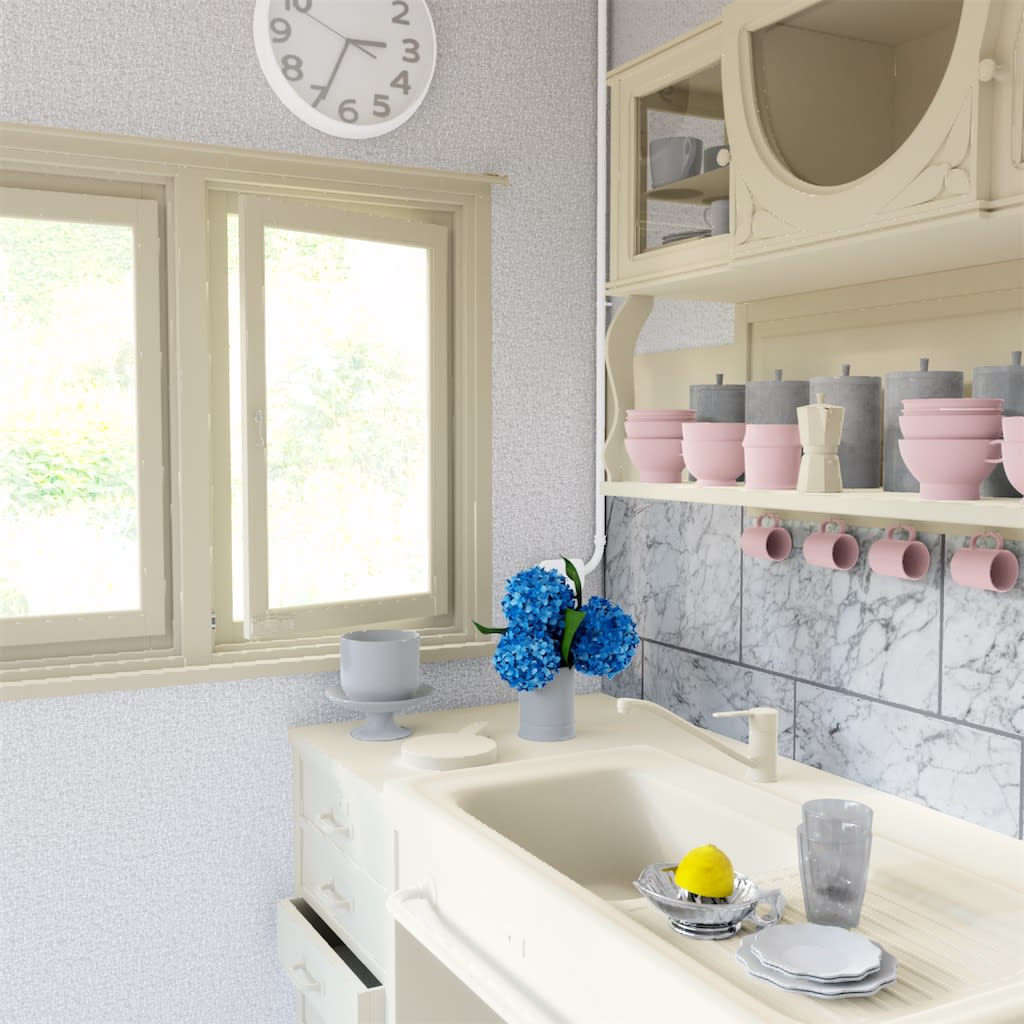
What is interior design?
An interior designer is a person with the knowledge + experience necessary to improve the functionality and aesthic quality of an interior space. An interior design seeks to improve quality of life, increase productivity and protect the health and safety of the people they work for.
A professional interior designer: analyses clients needs, goals and safety requirements, formulates preliminary design concepts that are functional, aesthetic, appropriate and comply with relevant codes and standards, develops and presents final design proposals by following appropriate presentation media, prepares drawings and specifications for interior construction i.e. ceiling plans, space detailing, space planning, materials finishes, lighting, furnishes, fixtures and equipment, in compliance with guidelines and applicable codes, works in a team with other experts in other areas (electrical, mechanical and architectural), as required for regularity approval, prepares and administers bids and contract documents as a clients agent, reviews and evaluates design solution during implementation and at the time of completion.
Interior design as a profession.
We spend 90% of our day in interior spaces. We rarely notice the furniture, colours, textures and other elements around us. We take real notice when interior designs are appealing to the eye. An example of this would be; rich panelling of an expensive restaurant, the soothing background of a religious place or the charms of a show home staged by a professional interior designer.
Interior designer professionals provide the owners and business workers with aesthetically attractive interior spaces. Interior designers benefits society by focusing on how interior environment should look and function. By planning the arrangements of interior walls, considering how the design affects the health and safety, selecting appropriate furniture, choose aesthetic embellishments and so on, the designer brings life to an interior space. As a result, the clients vision becomes a reality. There is a lot more to interior design. People think interior is all about colours and fabrics, re- arranging furniture. An interior designer must have or consider building and safety codes, understand environmental issues and consider the basic construction and mechanical systems of building.
An interior designer is able to communicate the design concepts through precisely scaled drawings and other documents used in the industry. An interior designer makes space plans for rooms considering the furniture and everything else that goes into them. Interior designers also have the responsibility of making sure the project is completed in its allocated time. An interior designer demands a high level of interpersonal skills. Interior designers strive to be good listeners, so as to better understandings the spoken and unspoken needs of their clients. Interior designers are also good observers, seeking to understand how an existing space is working and how it can be improved. Interior designers can visualise a space in detail which does not exist yet.

Throughout history, there have always been people who take an interest in the quality of interior spaces. A handful of times architects, artists, craftsmen and merchants have designed and furnished interiors.
Trade routes and markets have developed over centuries to supply homes and public buildings with carpets, textiles and other furnishings. Glass, ceramics, metals and woodworks of exceptional quality were produced by experienced craftsmen of the times.
Throughout the 19th century, advice on interior arrangement was the province of upholsterers, cabinet makers or retailers. By the beginning of the 20tb century department stores began promoting accessories and furnishings to the everyday consumer.
Interior design was only considered an activity suitable for women only. The interest in interior design as a career was developed after the publication of “the decoration of houses” by Ogden Codman in 1897.
During the 20th century more people designing and living in good tastes in their homes. The earliest prominent interior decor were usually self-taught.
By the late 20t century, educational programmes were created to train decorators in period styles and the arrangement of furnishings. By the 1940s, interior design was developed as a separate profession
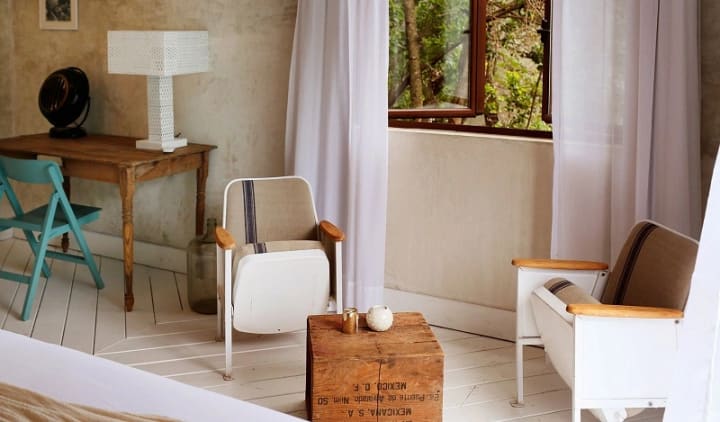
Interior designers rarely work in every field. It is common for them to pick one specific area and enhance their skills in that particular field. Sometimes, designers choose to specialise in residential areas, and sometimes they choose to specialise in commercial properties.
Some narrow their field even further and choose to work for certain types of homes and businesses. It’s very common for designers to refuse to pick any specific field at all. There are versatile designers and firms that do many kinds of work. This makes the field even wider for them.
The most important division is between residential and commercial interior design. Many designers do both, specialisation in one or the other implies important differences inexperience, working habits and business acumen.
About the Creator
Keep reading
More stories from writers in Lifehack and other communities.
How to Travel the Ella Odyssey Train Route in Sri Lanka
Taking a train ride in Sri Lanka is undoubtedly a unique experience, and there can hardly be a finer choice in this regard than riding the Ella Odyssey, a special luxury train service targeted mainly at tourists. You may well have seen images of the scenic sights that you can experience on this distinctive journey, which may be counted amongst the most picturesque in the world. Some useful information regarding enjoying this amazing ride is provided below.
By ameliarosanna5 days ago in Lifehack
📢 Raise Your Voice Thread: 01/22/2026
Our “Raise Your Voice Threads” are hosted most alternating Thursdays at 12PM ET to offer creators more avenues to uncover exceptional stories on Vocal. As we are continuously searching for fresh creators and inspiring stories, this thread provides an opportunity to exchange and discuss the stories that have moved and motivated us on Vocal.
By Raise Your Voice by Vocal2 days ago in Resources




Comments
There are no comments for this story
Be the first to respond and start the conversation.