
Integrated Pest Management: A Sustainable Approach to Pest Control
Pest Control
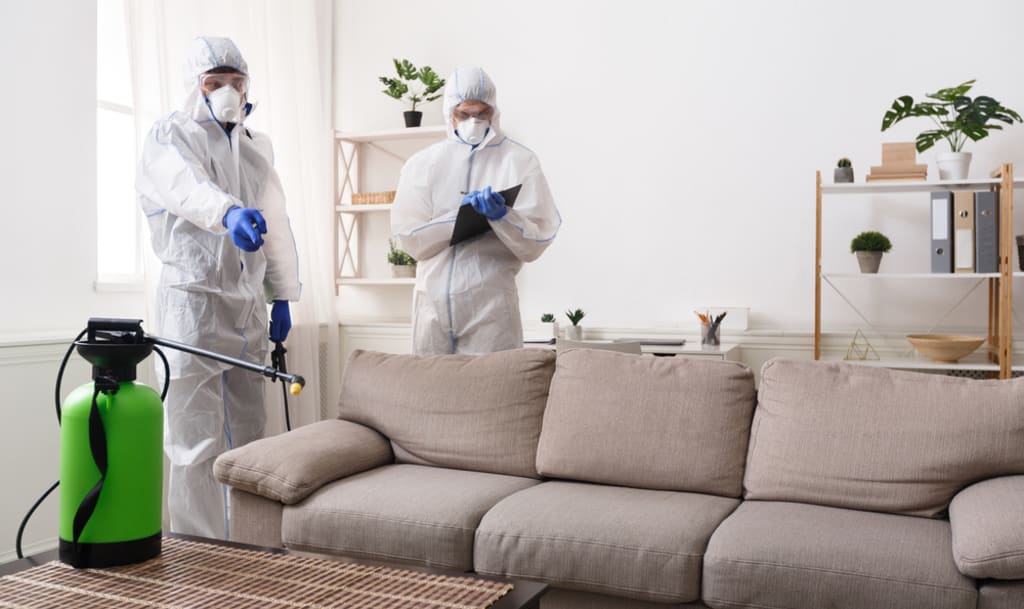
Integrated Pest Management (IPM) offers an eco-friendly approach to pest control by combining various strategies to manage pests effectively while minimizing environmental impact. Unlike traditional methods that rely heavily on chemical pesticides, IPM emphasizes prevention, monitoring, and targeted treatments. This approach not only protects public health by reducing exposure to harmful chemicals but also preserves beneficial organisms and biodiversity. Implementing IPM in homes, businesses, and agriculture ensures sustainable pest control solutions that are both effective and environmentally responsible.
Integrated Pest Management (IPM)
Integrated Pest Management (IPM) is a smart pest control method that combines prevention, monitoring, and minimal chemical use. Instead of just killing pests, IPM focuses on understanding their behavior, using natural predators, and sealing entry points to stop them before they become a problem.
Key IPM Methods
- Prevention: Cleanliness and physical barriers like screens.
- Monitoring: Spot early signs like droppings or plant damage.
- Thresholds: Decide how many pests are acceptable before acting.
- Combined Techniques: Use natural and mechanical methods first, then limited chemicals.
IPM vs. Chemical Pest Control
While chemical pest control may offer quick results, it often harms the environment. IPM aims for long-term, eco-friendly pest control by targeting causes, not just symptoms.
Common Pest Control Strategies
Understanding general pest control strategies provides valuable insight for homes, businesses, and agriculture. These range from traps and barriers to advanced techniques like sterile insect releases and chemical controls—used cautiously.
Preventative Measures and Maintenance: Simple practices like sealing entry points, proper food storage, and regular cleaning go a long way. These basic pest control steps help prevent infestations and are essential in busy homes and commercial settings.
Monitoring and Early Detection: Routine inspections ensure early detection of pest issues. Whether it’s a homeowner spotting termite signs or a farmer watching crops, timely pest control action prevents small issues from escalating.
Key Components of IPM Pest Control

In an IPM pest control plan, several distinct components form a balanced strategy. These key components explain why pest control matters beyond short-term fixes and encourage long-term, sustainable practices.
Biological Controls: Biological controls use natural predators, parasites, or pathogens to reduce pest populations. Examples include ladybirds that eat aphids or bacteria targeting mosquito larvae. These eco-friendly methods often reduce the need for chemical pest control and support long-term ecosystem health.
Mechanical and Physical Controls: Physical barriers like screens, manual weed removal, and traps form the first line of pest defence. This approach works well in homes, offices, and farms. Though not always enough alone, they’re highly effective when combined with other IPM strategies.
Chemical Pest Control in an Integrated Approach: In some cases, chemical pest control is essential. IPM ensures these are used sparingly, targeting only necessary pests with precise doses. This reduces harm to beneficial organisms and limits pesticide resistance, resulting in more balanced pest control.
Implementing IPM in Real-World Settings
How do you take IPM from theory into practice? It starts with a plan, followed by consistent monitoring and, when necessary, carefully chosen treatments. Whether you’re managing a small home garden or a large commercial property, these steps make pest control part of your daily operations.
Developing an IPM Plan
Every good IPM plan begins with clear goals: identify the pests you expect or have encountered, note their life cycles, and decide when to intervene. Outline tools—like biological controls, traps, or limited chemical treatments—and track outcomes. A focused plan prevents issues from escalating.
Monitoring, Record-Keeping, and Evaluation
Monitoring pest activity is vital, but detailed records keep you ahead. By logging dates, types of pests, and pest control actions, you spot trends. This helps avoid overusing chemicals or overlooking simpler solutions.
When to Consider Chemical Pest Control
While IPM promotes minimal chemical use, urgent threats—like invasive pests or rodent outbreaks—may require targeted treatments. These actions balance immediate pest control needs with environmental responsibility.
Best Practices and Future Outlook
IPM continues to grow in popularity thanks to its proven effectiveness and broad benefits. By incorporating sustainable pest control strategies, you help protect ecosystems, save money in the long run, and reduce pesticide resistance.
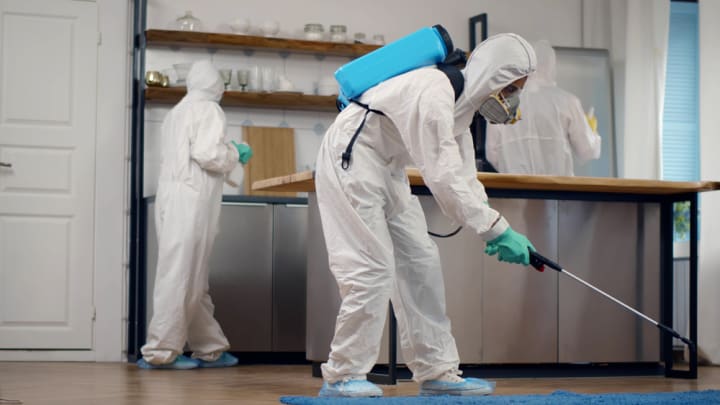
Sustainable Pest Control Management
Long-term success in pest control lies in ongoing education, monitoring, and refinement. This includes regularly training staff in commercial settings, staying informed about new biological controls, and updating techniques as needed. A sustainable plan views pests as part of a wider ecosystem that requires balanced management.
Balancing Chemical Use with Environmental Safety
Chemical pest control is often a last resort. It should follow preventive steps like sealing entry points, using natural predators, and maintaining hygiene. When used, chemicals must be applied carefully, in recommended amounts, and disposed of responsibly. This protects biodiversity and maintains soil health.
Next Steps for IPM and Pest Control Integrated Solutions
New technology—like monitoring sensors and drone-based inspections—is enhancing IPM efficiency. Research is also uncovering biological tools such as modified microbes and targeted lures. Blending these innovations with proven IPM practices ensures pest control becomes smarter and more effective for all settings.
Conclusion
Summing up, integrating different pest control methods—biological, mechanical, and, when needed, chemical—forms the backbone of effective IPM. This strategy not only tackles immediate infestations but also provides lasting solutions that deter future issues. By understanding the role of pest control in homes and businesses, IPM offers an environmentally friendly alternative to harsh measures. To begin, monitor and record pest activity, improve preventive habits, and use natural predators. When necessary, apply chemical options with care. The future of pest control depends on sustainable methods. IPM supports this by encouraging shared responsibility and long-term protection for people and ecosystems alike.
About the Creator
Keep reading
More stories from Lauren Bracy and writers in Lifehack and other communities.
Blocked Drains: Affordable Fixes and Long-Term Solutions
Blocked drains are among the most common yet frustrating household plumbing problems. From slow-draining sinks to foul-smelling overflows, drain blockages can disrupt daily routines and lead to costly repairs if ignored. But the good news? Most blocked drains can be fixed affordably—and more importantly, prevented with the right long-term solutions.
By Lauren Bracy7 months ago in Lifehack
How to Succeed at the Benson Directory®
Congratulations and welcome to the Benson Directory® employee #22391! As our newest call handler, you will have the privilege of speaking with dozens of unique and interesting people on a daily basis as well as the opportunity to earn bonuses for high performance. Contained within this handbook you will find a set of ease to follow instructions designed to help you settle in to your new role and begin paving the way to success.
By S. A. Crawford3 days ago in Fiction


Comments
There are no comments for this story
Be the first to respond and start the conversation.