
Blocked Drains: Affordable Fixes and Long-Term Solutions
Blocked Drains
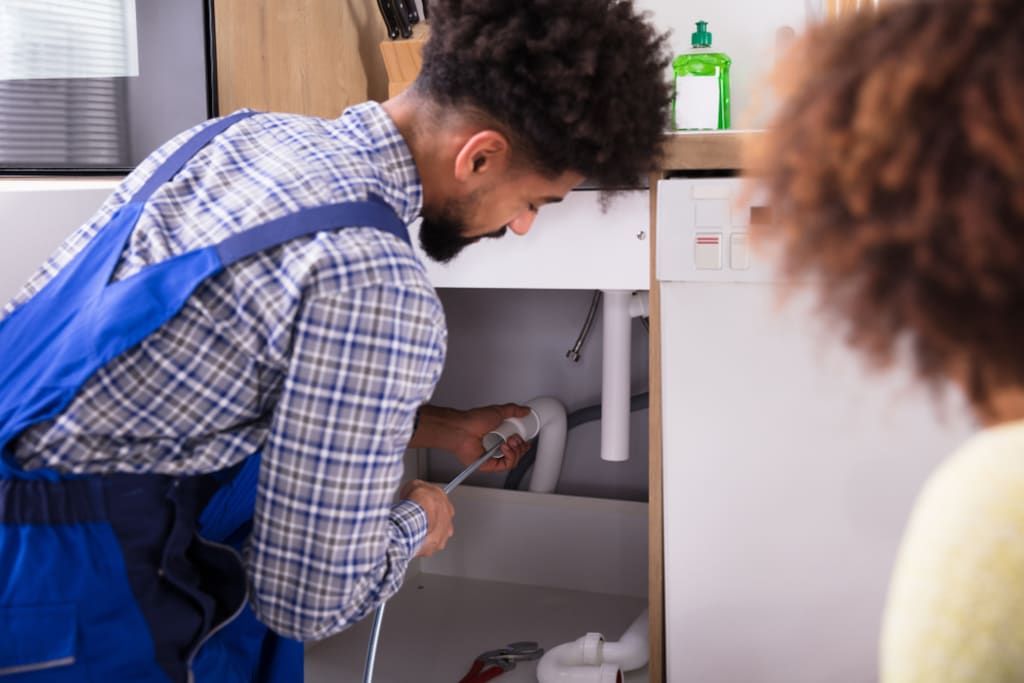
Blocked drains are among the most common yet frustrating household plumbing problems. From slow-draining sinks to foul-smelling overflows, drain blockages can disrupt daily routines and lead to costly repairs if ignored. But the good news? Most blocked drains can be fixed affordably—and more importantly, prevented with the right long-term solutions.
In this guide, we’ll walk you through the most budget-friendly ways to deal with blocked drains in greensborough and offer sustainable strategies to keep your plumbing system flowing freely for years to come.
Common Causes of Blocked Drains
Before jumping to solutions, it’s important to understand what causes drains to block in the first place. Typical causes include:
- Grease and food waste – Often rinsed down kitchen sinks, they harden inside pipes.
- Hair and soap residue – Common culprits in shower and bathroom drains.
- Foreign objects – Sanitary products, wipes, and cotton buds shouldn't be flushed.
- Tree roots – These infiltrate underground pipes, especially older systems.
- Scale build-up – Mineral deposits accumulate over time in hard water areas.
Knowing the root cause of your blocked drain is the first step to applying an effective and affordable fix.
Affordable Fixes for Blocked Drains
If your drain is already blocked, don’t panic—there are low-cost remedies you can try before calling in a professional. Here are several tried-and-true solutions:
1. Plunger Method
A basic plunger is one of the most cost-effective tools for unclogging blocked drains. It's especially useful for toilets, kitchen sinks, and bathroom drains. Ensure a good seal over the drain opening and plunge several times to dislodge the blockage.
2. Boiling Water Flush
Boiling water is perfect for dissolving soap, grease, and minor food build-ups. Simply pour a full kettle down the drain slowly in two to three stages, allowing a few seconds between each pour.
3. Baking Soda and Vinegar
This natural chemical reaction breaks down organic debris without damaging your pipes.
Method:
- Pour ½ cup of baking soda into the drain.
- Follow with 1 cup of white vinegar.
- Let it sit for 30 minutes, then flush with boiling water.
This DIY fix is affordable, safe, and ideal for eco-conscious households.
4. Drain Snake or Wire Hanger
A drain snake (also called an auger) can reach blockages deeper in the pipe. If you don’t own one, straighten a wire hanger and create a small hook on one end to fish out hair and debris.
When You Should Call a Professional
Some blocked drains are too severe or complex for DIY methods. If you notice:
- Repeated blockages
- Foul sewage odours
- Gurgling noises from drains
- Overflowing water or backups
…it’s best to call a licensed plumber. While this may seem like a more expensive option, addressing the issue early prevents damage that can cost thousands to repair.
Look for a plumber that offers CCTV drain inspections and hydro jetting—two advanced yet non-invasive techniques that diagnose and clear blockages effectively.
Long-Term Solutions for Preventing Blocked Drains
Prevention is more affordable than emergency repairs. With a few consistent habits, you can extend the life of your plumbing and minimise the chances of future blockages.
- Install Drain Guards: Mesh drain covers catch food scraps, hair, and other debris before they enter your pipes. They're inexpensive and easy to clean.
- Dispose of Grease Properly: Avoid pouring cooking oil or fat down the sink. Let it solidify in a container and throw it in the bin.
- Flush Drains Weekly: Use hot water or a vinegar-baking soda flush weekly to prevent build-up.
- Use Enzyme-Based Cleaners: These biological cleaners use natural enzymes to digest organic waste. They’re safe for pipes, septic systems, and the environment.
- Tree Root Management: If you have trees near underground plumbing, have a plumber check for root intrusion annually. Preventative root treatment is much cheaper than replacing broken pipes.
Eco-Friendly Practices That Save Money
Using non-toxic cleaning products and reducing waste that goes down your drain isn’t just better for the environment—it’s better for your wallet, too. Chemical drain cleaners may seem convenient, but they can damage pipes over time and cost you more in long-term repairs.
Signs of a Blocked Drain You Shouldn’t Ignore
Early detection can save hundreds in repairs. Keep an eye out for:
- Slow drainage
- Water pooling around drains
- Bubbling or gurgling sounds
- Foul smells near sinks or showers
The sooner you act, the more affordable the solution.
Final Thoughts
Blocked drains are a hassle—but they don’t have to be expensive or harmful to your plumbing system. With a few simple, affordable fixes and long-term maintenance strategies, you can solve most drainage issues without breaking the bank. Investing a little time and care now can save you major plumbing expenses down the road. Whether you're a homeowner, tenant, or property manager, staying proactive about blocked drains is a smart move.
About the Creator
Keep reading
More stories from Lauren Bracy and writers in Lifehack and other communities.
5 Tips for Maintaining Youthful Skin with Anti Wrinkle Injections
Have you ever glanced in the mirror and wondered if there’s an approachable way to keep your skin looking fresh without resorting to surgery? Anti Wrinkle Injections offer a minimally invasive option to smooth fine lines and restore a rested appearance—often with little to no downtime. Whether you’re juggling work deadlines in Sydney or parenting duties in Perth, understanding how these treatments work and how to optimize each step—from choosing a clinic to long-term care—can help you achieve natural, lasting results.
By Lauren Bracy8 months ago in Lifehack
If You’ve Always Done What You’ve Always Done
At the start of 2025, I started to post articles on my website under the category of ’52 Guiding Lights.' The goal was to share insights on sayings and idioms that aid daily life. I got up to number 16. The goal is to publish these as a management aid. However, we plan to release them in smaller batches, such as 12 at a time. That’s a year’s worth.
By Calvin London3 days ago in Lifehack
The Nutrient Gap No One Talks About When It Comes to Focus and Attention
Key Takeaways Taking the proper nutrients helps maintain optimal body function. The vagus nerve is a vital component in the connection between the brain and the gut. The right supplements, such as Neupril Pure Methylfolate, play a key role in helping clear brain fog.
By Tess DiNapoli7 days ago in Lifehack



Comments
There are no comments for this story
Be the first to respond and start the conversation.