
Insomnia
Have you ever tried lying in bed and struggling to sleep

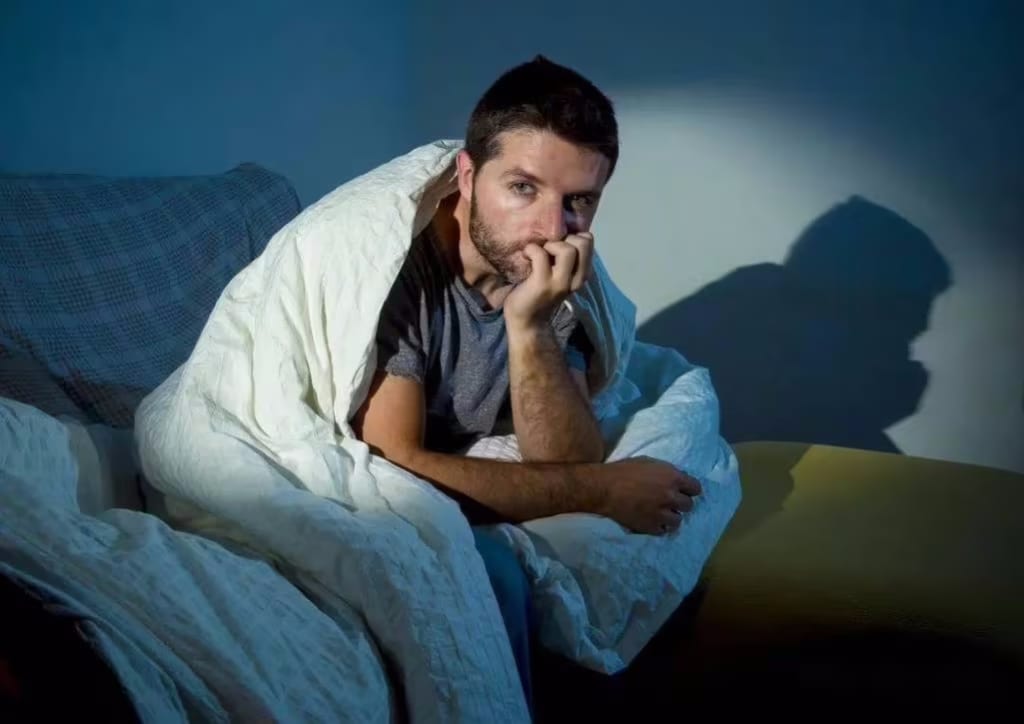
In the past, it was widely believed that insomnia was an exclusive problem for middle-aged and elderly people. However, in today's life, even some teenagers and children suffer from insomnia. For the vast majority of young people, they often experience insomnia in their daily lives.
Sometimes I often sit in bed and stare out the window in a daze, feeling lonely until dawn. This is all caused by insomnia, and with the fast-paced life nowadays, many young people also often have this serious problem.
Mild insomnia can be adjusted and improved in a short period of time, but if insomnia is frequent, it may increase the occurrence of other health problems, which not only easily affects the state of life, but also increases health risks.
What is insomnia?
Insomnia refers to a symptom of inability to fall asleep or difficulty maintaining sleep, leading to a decrease in sleep quality and affecting daily life and work.
Insomnia usually manifests as symptoms such as difficulty falling asleep, poor sleep quality, and early awakening. In addition, insomnia may also be accompanied by uncomfortable symptoms such as headache, fatigue, lack of concentration, and emotional fluctuations, seriously affecting people's physical and mental health and quality of life.
overpressure
The pace of modern life is getting faster and faster, with high work pressure, heavy learning tasks, and numerous household chores, all of which can make people feel anxious and nervous.
In this tense state for a long time, the human body will secrete a large amount of adrenaline and cortisol, which can affect the normal functioning of the brain's nervous system and thus affect sleep.
The lifestyle of modern people
Staying up late at night, using electronic products for a long time, irregular diet and schedule, and so on, can all interfere with the body's biological clock, making it difficult for people to fall asleep or have poor sleep quality.
environmental factor
The noise, light pollution, air pollution, and so on in cities can have adverse effects on people's sleep.

Can bananas and milk help improve insomnia?
Bananas and milk can help improve insomnia in certain situations, but the effects vary from person to person:
Bananas: Bananas are rich in important nutrients that promote sleep, such as magnesium, vitamin B6, and vitamin C. Magnesium is a mineral that relaxes muscles and nerves, helping to alleviate anxiety and promote sleep.
Milk: Milk contains a large amount of tryptophan, an essential amino acid that helps synthesize melatonin, a hormone that regulates sleep. The release of melatonin helps the body enter a state of sleep.
But in fact, natural sleeping pills are not bananas or milk. In addition to these two foods, the following substances can be more effective in helping people improve sleep.
In addition, if you want to improve insomnia, you also need to pay attention to these three points
Appropriate exercise
Proper exercise can help us consume excess energy, make our body more relaxed, and thus easier to fall asleep.
Reasonable diet
Dinner should not be too full or too hungry, and avoid consuming too much caffeine, sugar, and other stimulating foods, which can affect our sleep quality.
Adjusting the sleep environment
Keeping the room quiet and comfortable, as well as maintaining appropriate temperature and humidity, can make it easier for us to fall asleep and maintain sleep quality.
What harm can long-term insomnia bring to the body?
Causes a decrease in immunity
Sleep is an important time for the body to recover and repair. Long term insomnia can affect the body's immune system, reducing the body's resistance to viruses and bacteria, and making it susceptible to various diseases.
Impact on mental health
Insufficient sleep can affect the normal functioning of the brain, making people emotionally unstable and prone to psychological problems such as anxiety and depression.
Affects cognitive ability
Long term insomnia can also affect people's cognitive and learning abilities, leading to decreased memory, lack of concentration, and affecting work and learning efficiency.
Bringing about chronic diseases
Long term insomnia will also have a negative impact on the body's metabolism and endocrine system, increasing the risk of suffering from diabetes, hypertension and other diseases.
About the Creator
Rain
Its x_kawaiiRAIN_x overhere :D
Carrying Sound Through Tulsa
A piano carries more than sound. It carries time. Even when silent, it holds the imprint of hands that once rested on its keys, of rooms that shaped its voice, and of moments that unfolded quietly around it. In Tulsa, a city where music has long been woven into daily life, moving a piano feels less like relocating an object and more like guiding a piece of lived experience into a new chapter.
By House Doctor3 days ago in Lifehack
One Day, One Life: How 24 Hours Can Change Everything"
Have you ever woken up and wondered, “Is this it?” Maybe you feel stuck—trapped in a daily routine that leaves you empty. You go to work, come home, scroll through your phone, and repeat it all the next day. Deep down, you know there’s more to life, but the thought of change feels overwhelming. So, you stay where you are, waiting for the “right time.” But what if I told you that your entire life could change in just one day? Not next year, not in five years—today. This book is about that day. The day you stop waiting. The day you decide to take control of your life. It’s not about making massive changes all at once or becoming a completely different person overnight. It’s about how small decisions, mindset shifts, and one bold action can set you on a new path—a path you’ve always wanted but were too scared to take. This is your wake-up call. Because your life doesn’t change someday. It changes the day you decide it will. Chapter 1: The Trap of Waiting “I’ll start tomorrow.” How many times have you said those words? Tomorrow, you’ll exercise. Tomorrow, you’ll quit the job you hate. Tomorrow, you’ll take the leap. But tomorrow always turns into the next tomorrow, and nothing ever changes. I know this because I’ve been there. I spent years waiting for the perfect moment to start living the life I wanted. I told myself I wasn’t ready, that I needed more time, more money, more confidence. But the truth is, there’s never a perfect moment. There’s only now. Ask yourself: What are you waiting for? Reflection Question: What’s one thing you’ve been putting off because you’re waiting for the “right time”? Chapter 2: Small Decisions, Big Changes We often think that life-changing moments are dramatic—quitting a job, moving to a new city, starting over. And while those moments are important, they rarely happen without smaller decisions leading up to them. It’s the small choices you make every day that create your future. Choosing to wake up 30 minutes earlier to focus on yourself. Choosing to say no to things that drain you. Choosing to take one small step toward your dream, even if it scares you. Let me tell you about Sarah. She was stuck in a job she hated, but she didn’t know how to start over. One day, she decided to spend 10 minutes after work each evening researching jobs in a field she was passionate about. That small decision led to her applying for a position, which led to an interview, which led to a new career. It didn’t happen overnight, but it started with one small choice. Reflection Question: What small decision can you make today to move closer to the life you want? Chapter 3: The Power of Courage Change requires courage. It’s terrifying to step into the unknown, to leave behind the familiar, even if the familiar is what’s holding you back. But courage isn’t about being fearless—it’s about acting despite your fear. Think about the boldest people you admire. They didn’t wait until they felt ready. They acted while they were scared. Take James, for example. He had always wanted to start his own business but was terrified of failing. One day, after years of fear, he decided to take one bold action: he called a friend who had experience starting a business. That one phone call gave him the clarity to take the next step. Today, he’s running a thriving company. Courage doesn’t mean jumping blindly. It means taking one brave step, and then another, and another. Reflection Question: What bold action can you take today that scares you but could change your life? Chapter 4: The Day That Changes Everything Here’s the secret: your life changes when you decide it will. It doesn’t happen by accident. It happens when you wake up, look at your life, and say, “Enough.” That day can be today. Right now. You don’t need to have it all figured out. You just need to start. Start small. Say no to something that doesn’t serve you. Say yes to something you’ve been afraid to do. Take one step toward the life you want. Because here’s the truth: one small decision leads to another, and another. And before you know it, you’re not the same person you were yesterday. Final Message Your life is happening right now. The question is: are you going to let it pass you by, or are you going to take control? You don’t need a perfect plan. You don’t need permission. You just need to decide. The day that changes your life isn’t some far-off moment in the future. It’s not when you have more money, more time, or more confidence. It’s today. So, take the first step. Make one small decision. Be brave, even if it’s just for a few seconds. Because one day—this day—can change everything.
By DJADA Mahamatabout 14 hours ago in Lifehack




Comments
There are no comments for this story
Be the first to respond and start the conversation.