
Innovative Living: Key Trends Defining Modern Home Development
How Sustainability, Smart Technology, and Wellness-Focused Design Are Shaping the Homes of Tomorrow

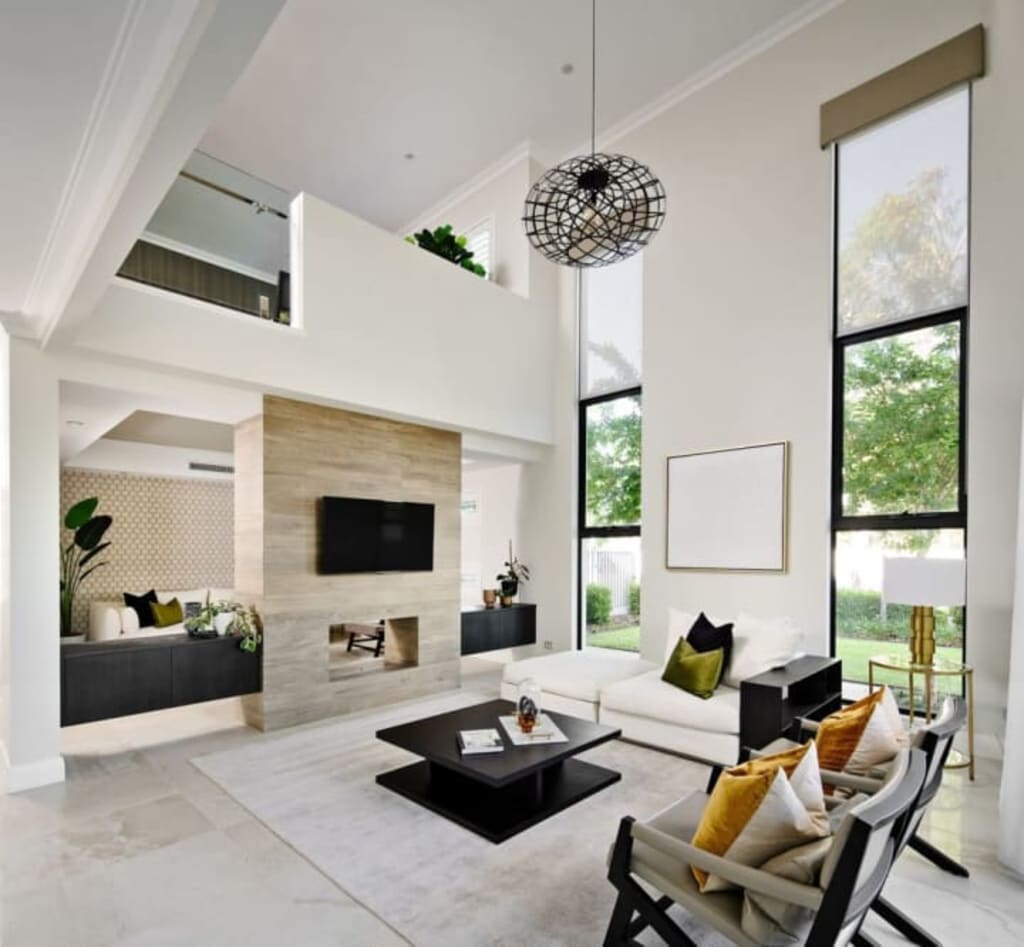
Imagine stepping into a house where the lights adjust automatically, the temperature is always perfect, and your energy bill is surprisingly low. Sounds like something from a sci-fi film, doesn’t it? But this kind of living is becoming increasingly real as innovative approaches transform how homes are designed and built. Today’s homebuyers want more than just four walls and a roof. They seek spaces that boost their well-being, reduce their environmental footprint, and adapt to their evolving needs.

The key trends shaping modern home design and construction are having a big impact on lifestyles and sustainability. This article is going to explore how these trends are changing where we live.
Sustainability at the Forefront
More and more people want homes that are easy on the planet. This demand has put sustainability at the front of modern home building. Eco-friendly features aren’t just a nice bonus anymore. They're now a crucial selling point.
Energy-Efficient Design
Energy-efficient design is all about making homes use less power. One way to achieve it is through passive solar design. This uses the sun’s energy to heat and light a house naturally. Smart thermostats learn your habits and adjust temperatures automatically. Excellent insulation keeps homes warm in winter and cool in summer, cutting down on energy waste.

Actionable Tip: You don’t have to build a new home to be more energy efficient. Start small. Switch to energy-efficient light bulbs. Consider upgrading appliances with Energy Star ratings. These little things can add up to big savings and a greener lifestyle.
Sustainable Materials
The materials used to build a home can have a significant impact on the environment. That’s why sustainable materials are growing in popularity. Reclaimed wood brings character and reduces deforestation. Bamboo flooring is a fast-growing, renewable resource. Recycled content, from insulation to countertops, keeps waste out of landfills.
Real-World Example: Some developers are focusing on sustainable materials and certifications, like LEED. These projects prove that it’s possible to build beautiful, functional homes while protecting the planet.
Water Conservation Technologies
Water is precious, so new homes often include water conservation tech. Rainwater harvesting systems collect rainwater for use in irrigation or even toilet flushing. Low-flow fixtures in showers and sinks reduce water waste. Greywater recycling systems reuse water from showers and sinks for irrigation.
Smart Home Integration and Automation
Tech is changing everything, and homes are no exception. Smart home integration and automation are making houses more comfortable, secure, and efficient.
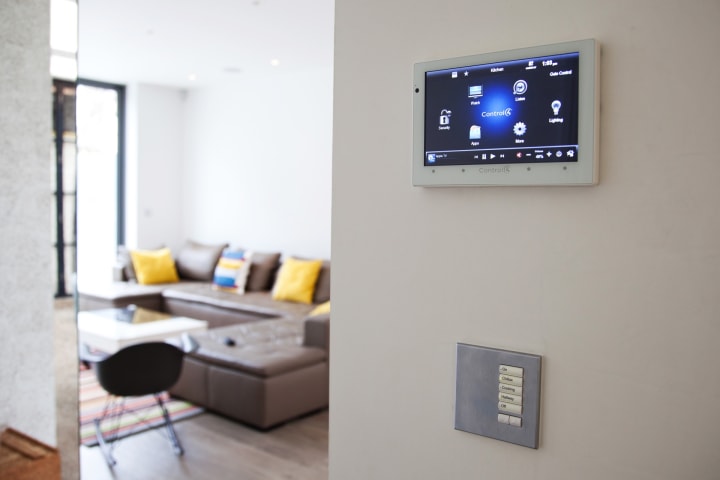
The Connected Home Ecosystem
The connected home ecosystem puts control at your fingertips. Smart devices link together, letting you manage lighting, temperature, and entertainment from your phone or with voice commands. Imagine dimming the lights, turning up the heat, and playing your favourite music, all without lifting a finger.
Enhanced Security Systems
Modern security systems do more than just sound an alarm. Smart locks let you control access remotely. Security cameras keep an eye on things, even when you’re not there. Alarm systems can detect intruders and alert the authorities automatically.
Automation for Energy Management
Smart thermostats and automated lighting are game-changers for energy savings. These systems learn your habits and adjust settings to reduce energy use. For instance, lights can turn off automatically when you leave a room. The thermostat lowers the heat when you’re away.

Wellness-Focused Design
Homes should be more than just places to sleep. They should promote well-being. Wellness-focused design creates spaces that support your physical and mental health.
Biophilic Design Principles
Biophilic design brings nature indoors. Plants improve air quality and add a calming presence. Natural light boosts your mood and energy levels. Great ventilation keeps the air fresh and reduces allergens.

Actionable Tip: Bring the outdoors in. Add indoor plants to improve air quality and create a more relaxing atmosphere. Open your windows regularly to let in fresh air and natural light.
Dedicated Wellness Spaces
Many new homes include dedicated wellness spaces. Home gyms make it easy to stay active. Meditation rooms offer a quiet place to unwind. Spa-like bathrooms with soaking tubs and rainfall showers create a relaxing retreat.
Improved Indoor Air Quality
Indoor air can be more polluted than outdoor air. Air purification systems remove allergens and pollutants. Smart ventilation strategies bring in fresh air. The use of non-toxic building materials reduces harmful chemicals in the home.
Flexible and Adaptable Living Spaces
Life changes, so your home should change with it. Flexible and adaptable living spaces can accommodate different lifestyles and needs.
Multi-Functional Rooms
Multi-functional rooms can transform to suit your needs. A home office can double as a guest room. A living room can become an entertainment area. With clever design, one room can serve multiple purposes.

Aging-in-Place Design
Aging-in-place design makes homes accessible and safe for all ages and abilities. Features like wider doorways, roll-in showers, and grab bars make it easier for older adults to stay in their homes longer. These design choices benefit everyone, not just seniors.
Real-World Example: Some homes are built with universal design principles. These homes feature wider doorways, lever handles, and adjustable countertops. The result is a home that’s comfortable and functional for everyone.
Modular and Prefabricated Homes
Modular and prefabricated homes are built in factories and assembled on-site. These construction methods are faster, more efficient, and often more affordable than traditional building. Plus, they can be highly customised to fit your needs.

Community-Centric Developments
Many people want to feel connected to their neighbours. Community-centric developments prioritise social interaction and shared amenities.
Shared Green Spaces and Amenities
Shared green spaces, community gardens, and recreational facilities create opportunities for residents to connect. These shared spaces foster a sense of community. They encourage people to spend time outdoors.
Walkable Neighbourhoods and Mixed-Use Developments
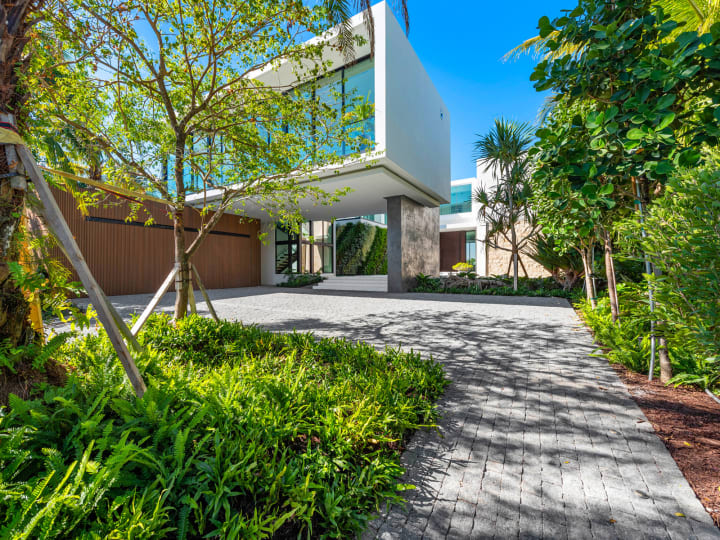
Walkable neighbourhoods and mixed-use developments let people live, work, and play without relying on cars. Shops, restaurants, and workplaces are all within walking distance. This reduces traffic and promotes a healthier, more sustainable lifestyle.
Co-Housing Models
Co-housing communities bring people together. Residents share resources and participate in community activities. This model fosters strong social connections and reduces isolation.
Whether you’re planning a house extension, a full home renovation, or even a full property renovation, these trends can help shape your project into something truly modern and future-proof.
At Rushmore Developments, we specialise in innovative home transformations that embrace sustainability, smart design, and wellness-focused living. Visit Rushmore Developments to explore how we can bring your dream home to life.
About the Creator
Rushmore Development
"Rushmore Developments specializes in high-quality residential and commercial construction across the UK, including full home renovation. With expert craftsmanship, innovative design, and reliable service, we bring your vision to life.
Keep reading
More stories from writers in Lifehack and other communities.
How to Choose the Right Moving Company in Boise, Idaho
Moving in Boise, Idaho, has become increasingly common as the city continues to grow and attract new residents. While Boise offers a balanced lifestyle and accessible neighborhoods, relocating within or into the area still requires thoughtful planning. Choosing the right moving company and understanding local conditions can make a significant difference between a smooth transition and a stressful experience.
By House Doctorabout 15 hours ago in Lifehack
Moving and Storage in Baltimore: Practical Tips for a Smoother Transition
Moving in Baltimore presents a unique set of challenges shaped by the city’s layout, historic neighborhoods, and active urban rhythm. From narrow streets and rowhouses to strict parking rules and seasonal traffic, relocating within or into Baltimore requires preparation and local awareness. Understanding how moving and storage work together can help residents manage transitions more efficiently and avoid common setbacks.
By House Doctorabout 16 hours ago in Lifehack




Comments (1)
Nice work. Article was super good here. I am very proud of you … keep it up