
In-house Vegetable Farming & Its Virtues
Need of the Hour in Pakistan
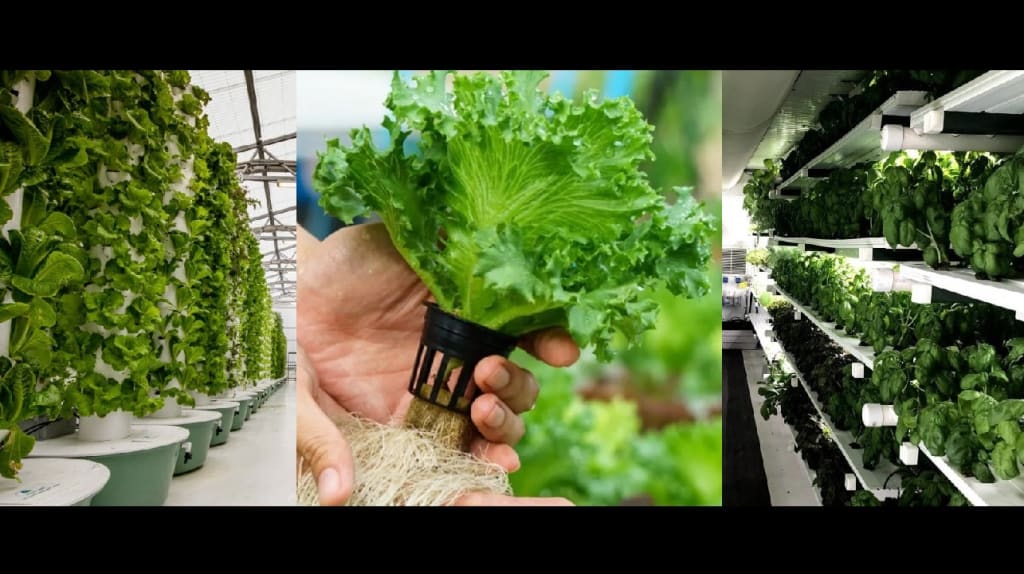
In-house vegetable farming, also known as indoor farming or urban farming, refers to the practice of growing vegetables and other plants within a controlled environment, such as a greenhouse or a hydroponic system, inside a building. The idea behind in-house vegetable farming is to create a sustainable and efficient way of producing fresh, healthy, and locally grown food without relying on traditional outdoor farming methods.
There are numerous virtues of in-house vegetable farming, including increased food security, improved nutrition, reduced environmental impact, and economic benefits. In this article, we will explore each of these virtues in detail and provide insights into how in-house vegetable farming can help address some of the pressing challenges facing our food system today.
Food Security: Food security refers to the availability of sufficient, safe, and nutritious food to meet the dietary needs of all individuals within a population. Unfortunately, food insecurity is a major global issue, with millions of people around the world struggling to access adequate food on a daily basis. In-house vegetable farming can help address food insecurity in several ways.
Firstly, in-house vegetable farming allows for year-round production of fresh vegetables, regardless of climate or seasonal variations. This means that people living in areas with harsh winters or limited access to fresh produce can still enjoy a diverse and nutritious diet. Additionally, in-house vegetable farming can be done in urban areas, which can help bring fresh produce to food deserts, where traditional grocery stores are scarce.
Furthermore, in-house vegetable farming can help reduce food waste, as farmers can grow only the amount of produce they need, rather than relying on large-scale farming operations that often result in excess produce being discarded. This can also help reduce the amount of food that needs to be transported over long distances, which can lead to spoilage and waste.
Improved Nutrition: In addition to improving food security, in-house vegetable farming can also help improve nutrition by providing access to fresh, healthy, and nutrient-rich produce. Many vegetables begin to lose their nutritional value as soon as they are harvested, and this loss can be exacerbated by long transportation times and improper storage. In-house vegetable farming, on the other hand, allows for vegetables to be harvested at peak ripeness and consumed immediately, preserving their nutritional value and flavor.
Furthermore, in-house vegetable farming can help promote the consumption of a more diverse range of vegetables. Traditional outdoor farming methods often prioritize crops that are easy to grow and transport, such as corn and soybeans, which are often used for animal feed and processed foods. In-house vegetable farming, however, allows for a wider range of vegetables to be grown, including more exotic and nutritious varieties.
Reduced Environmental Impact: Traditional outdoor farming methods often have significant negative environmental impacts, including deforestation, soil erosion, water pollution, and greenhouse gas emissions. In-house vegetable farming, on the other hand, can help reduce these impacts in several ways.
Firstly, in-house vegetable farming requires significantly less land than traditional outdoor farming methods, as it can be done vertically or in smaller spaces. This can help reduce deforestation and protect natural habitats. Additionally, in-house vegetable farming often uses hydroponic or aquaponic systems, which require less water than traditional farming methods and can help conserve water resources.
Furthermore, in-house vegetable farming can help reduce greenhouse gas emissions by reducing the need for long-distance transportation of produce. Traditional farming methods often require produce to be transported hundreds or even thousands of miles to reach consumers, which can result in significant emissions from transportation. In-house vegetable farming, on the other hand, can be done locally, reducing transportation emissions and improving air quality.
Economic Benefits: In-house vegetable farming can also provide significant economic benefits, both for individual farmers and for communities as a whole. For individual farmers, in-house vegetable farming can provide a source of income and a means of self-sufficiency
There are several types of in-house vegetable farming, each with its own unique characteristics, advantages, and challenges. Some of these are as follows:
Hydroponic Farming: Hydroponic farming is a method of growing plants without soil, using a nutrient-rich water solution instead. This allows for precise control over the growing environment and can lead to higher yields and faster growth rates. Hydroponic systems can be designed to fit any space, from small indoor setups to large commercial operations.
Aquaponic Farming: Aquaponic farming is a combination of hydroponic farming and aquaculture (raising fish). In an aquaponic system, the waste products from fish are used to fertilize the plants, while the plants help to filter and clean the water for the fish. This creates a closed-loop system that can be very efficient and sustainable.
Vertical Farming: Vertical farming involves growing crops in stacked layers, using artificial lighting and climate control systems to create optimal growing conditions. This allows for high-density production in a small space, making it particularly useful for urban farming.
Container Farming: Container farming involves growing crops in containers, such as shipping containers or repurposed buildings. This allows for greater flexibility in terms of location and can be particularly useful for areas with limited outdoor space.
Aeroponic Farming: Aeroponic farming involves growing plants in a mist environment, with roots suspended in air and sprayed with a nutrient-rich solution. This can lead to faster growth rates and higher yields, as well as water and nutrient conservation.
Greenhouse Farming: Greenhouse farming involves growing crops in a controlled environment within a greenhouse. This allows for greater control over temperature, humidity, and light, and can lead to higher yields and longer growing seasons.
Each of these types of in-house vegetable farming has its own advantages and challenges, and choosing the right method will depend on factors such as available space, budget, and desired yields. However, all of these methods share the common goal of creating a sustainable and efficient way of producing fresh, healthy, and locally grown food.
About the Creator
Keep reading
More stories from Muzammil Ali and writers in Lifehack and other communities.
Loose 10 KG in a month (Complete Step by Step Process)
Introduction Losing weight can be a challenging task, especially when you have a deadline to meet. Losing 10 kg in a month is a lofty goal, but it is achievable with the right diet plan and exercise routine. In this article, we will provide you with a comprehensive guide on how to lose 10 kg in a month using day-to-day food and exercises. We will cover expert tips, diet plans, exercises, and other essential information to help you achieve your weight loss goals.
By Muzammil Ali3 years ago in Lifehack
7" Simple Daily Habits that can change your life
7 Simple Daily Habits That Can Change Your Life Life can often feel overwhelming. With endless responsibilities, constant notifications, and the pressure to succeed, it’s easy to lose track of what really matters. But the good news is, making small, consistent changes in your daily routine can have a huge impact on your overall well-being, happiness, and productivity. Here are seven simple daily habits that, if practiced consistently, can truly change your life. 1. Wake Up Early
By Kawtar Aithammoua day ago in Lifehack
10 Questions to Ask a Painter Before You Sign a Contract
Hiring a painter may seem straightforward, but many Australian homeowners and business owners only realise the risks after they sign a contract. Poor preparation, vague quotes, and unclear responsibilities often lead to budget overruns, delays, or substandard results.
By Anshul Vijayabout 12 hours ago in Lifehack




Comments
There are no comments for this story
Be the first to respond and start the conversation.