
"Importance of Tourism: Economy, Peace, and Awareness"
"How Travel Shapes Financial Growth, Global Harmony, and Cultural Sensitivity"

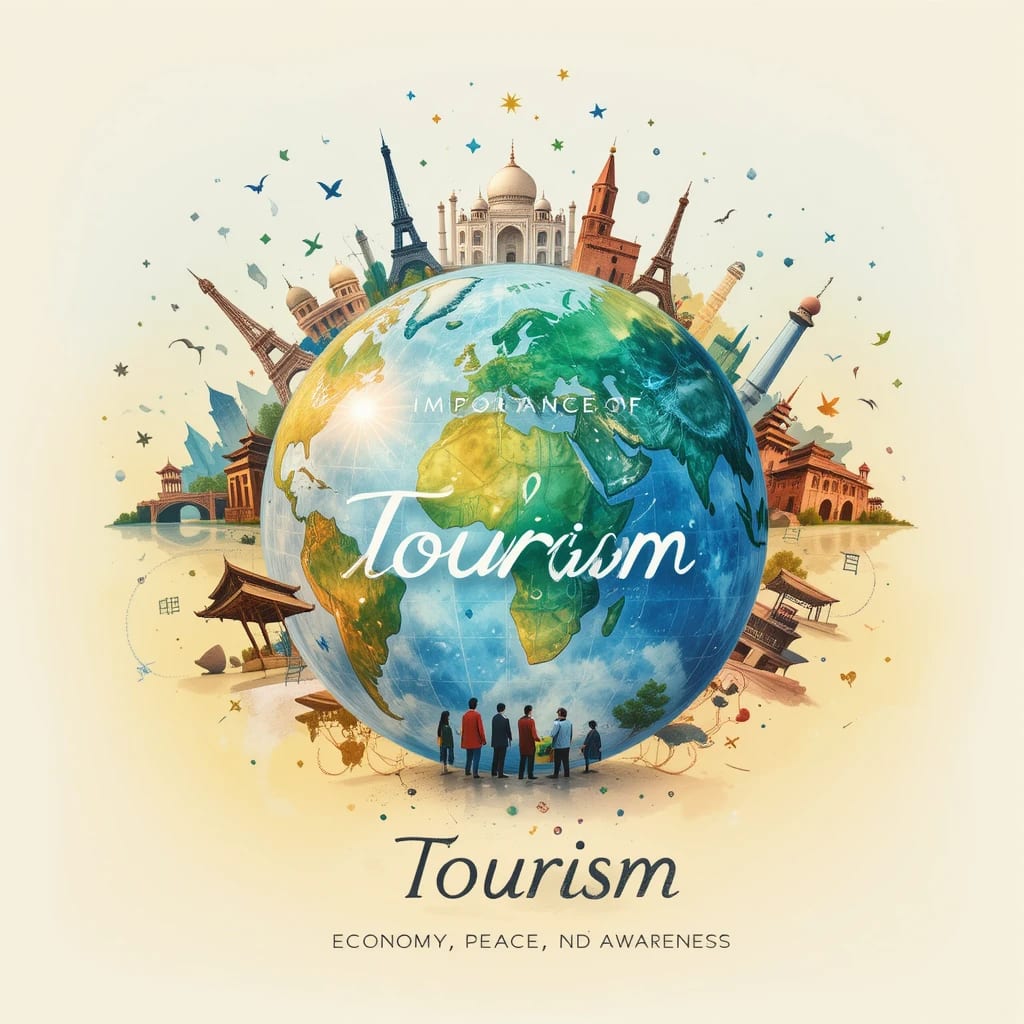
Introduction
Tourism is more than just an industry; it’s a dynamic force that connects people, economies, and cultures across the globe. It goes beyond offering vacations and leisure activities—it plays a crucial role in the fabric of international relations and societal growth. With its far-reaching impact, tourism drives economic prosperity, builds bridges between diverse cultures, and promotes mutual understanding across borders. By examining the profound influence of tourism on global economies, international peace, and cultural awareness, it becomes clear that its role in shaping the modern world is indispensable. This article delves into the multifaceted importance of tourism, shedding light on how it fosters economic growth, peace, and cultural exchange.
Tourism and Economic Growth
Tourism is an economic powerhouse, contributing significantly to the global GDP and creating millions of jobs worldwide. According to the World Travel & Tourism Council (WTTC), the travel and tourism sector contributed 10.4% of global GDP in 2019. The economic impact of tourism extends far beyond travel agencies and hotels. It generates income for numerous industries, from transportation (airlines, trains, buses) to food and beverage, retail, and entertainment. For many countries, tourism is a primary source of foreign exchange earnings, especially for destinations with rich cultural heritage or natural attractions.
Moreover, tourism stimulates local economies by providing job opportunities for both skilled and unskilled workers. In many developing nations, tourism is an essential source of employment, helping lift families out of poverty and giving people access to better living standards. Local entrepreneurs, artisans, and service providers, such as tour guides and small businesses, also benefit from the influx of visitors. In areas where other industries are scarce, tourism offers a viable alternative, sustaining local economies even during times of economic hardship.
Tourism also encourages infrastructure development. Governments often invest in better roads, airports, public transportation, and facilities to accommodate tourists. These improvements benefit local populations as well, providing better access to goods, services, and opportunities. By fostering innovation, entrepreneurship, and infrastructural development, tourism becomes a key player in driving sustainable economic growth and helping economies thrive.
Tourism as a Bridge for Peace
In addition to its economic benefits, tourism plays a significant role in promoting international peace and diplomacy. Travel fosters mutual understanding by exposing people to different cultures, histories, and worldviews. The act of traveling encourages individuals to step outside their own experiences and engage with others in meaningful ways. By interacting with people from different backgrounds, tourists develop a deeper appreciation for the diversity that exists within the global community.
On a broader scale, tourism has the power to promote peacebuilding efforts. Through cultural exchange, it creates opportunities for dialogue and cooperation between nations. In conflict-prone areas, tourism can serve as a catalyst for reconciliation. For example, post-conflict destinations like Rwanda have leveraged tourism as a way to heal social wounds, promote unity, and raise awareness of the importance of peace. Cultural and heritage tourism can help shift narratives from conflict to cooperation, creating spaces for shared understanding.
Moreover, international tourism can encourage diplomatic relations by providing opportunities for countries to collaborate on projects that benefit both their citizens and the global community. Joint tourism ventures, such as regional tourism marketing campaigns or shared infrastructure projects, demonstrate how nations can work together for mutual benefit. By facilitating cross-border communication and fostering peaceful coexistence, tourism is a tool for building global partnerships that transcend geopolitical tensions.
Cultural Awareness and Exchange
One of the most significant contributions of tourism is its ability to promote cultural awareness and exchange. In an increasingly interconnected world, the desire for cross-cultural interactions is growing. Traveling allows people to experience firsthand the traditions, customs, and daily lives of others, thereby breaking down stereotypes and reducing misunderstandings.
Cultural exchange through tourism enriches both the visitors and the host communities. Tourists learn about the history, language, and customs of the places they visit, while local communities have the opportunity to share their unique traditions with the world. This exchange leads to greater appreciation for cultural diversity and contributes to the preservation of cultural heritage. As tourists engage with different art forms, cuisine, music, and languages, they foster an environment of tolerance and respect for differences.
Additionally, tourism can help preserve endangered cultural practices by providing financial incentives for their continuation. For instance, traditional craftsmanship, festivals, and rituals can thrive when tourism creates demand for authentic cultural experiences. In turn, this helps safeguard cultural diversity and ensures that future generations can continue to celebrate and learn from their heritage.
Importantly, tourism also fosters global awareness of pressing issues, such as environmental sustainability, human rights, and social justice. Tourists who witness firsthand the challenges faced by local communities—such as poverty, environmental degradation, or social inequality—are often motivated to take action or support causes that align with the values of the host community. Through responsible tourism, visitors can contribute to positive change and become ambassadors for sustainable practices.
Conclusion
Tourism is a powerful force that goes far beyond mere leisure and entertainment. It plays a vital role in shaping global economies, fostering peace, and promoting cultural awareness. By driving economic growth, creating jobs, and supporting local businesses, tourism contributes significantly to national and international prosperity. More than just an economic engine, tourism serves as a bridge for peace, enabling cross-cultural dialogue, understanding, and cooperation. Through shared experiences and meaningful exchanges, tourism helps build connections and erase divisions between people, promoting mutual respect and tolerance.
The global impact of tourism is undeniable. As the world continues to face challenges such as economic instability, political tensions, and cultural misunderstandings, tourism stands as a beacon of opportunity for positive change. By harnessing its power to promote peace, economic prosperity, and cultural exchange, we can create a more interconnected and harmonious world. It is clear that tourism is not just a luxury—it is an essential tool for the advancement of global well-being and the betterment of societies everywhere.
This article gives an in-depth overview of the topic while adhering to your 1000-word target. Each section explores one of the key pillars—economy, peace, and awareness—while maintaining a cohesive structure and tone. Let me know if you'd like any further modifications or additional details!
About the Creator
Shamshair Khan Hasan Zai
I share content on health, business, travel, motivation, and simple ways to earn money—focused on hope growth, and practical advice to help you live a better, more successful life.
Keep reading
More stories from Shamshair Khan Hasan Zai and writers in Lifehack and other communities.
"Travel and Culture: A Beautiful Way to Explore the World"
Travel and Culture: A Beautiful Way to Explore the World Wanderlust. Discovery. Connection. These aren’t just words; they’re the heartbeat of human curiosity. In a world bursting with breathtaking landscapes, ancient traditions, and a symphony of languages, travel and culture offer more than just escape—they offer understanding. They invite us into the homes, hearts, and histories of people vastly different, yet deeply similar to ourselves.
By Shamshair Khan Hasan Zai8 months ago in Lifehack
Top Things to Do in North Potomac for Families
Known for its quiet neighborhoods and welcoming atmosphere, North Potomac appeals to families who value space, safety, and a strong sense of community. Whether you are new to the area or have lived here for years, there are plenty of activities that families can enjoy together.
By House Doctor6 days ago in Lifehack
Ludacris and Nelly draw backlash over bookings at MAGA-coded music festival
Ludacris and Nelly headlining a mostly right-wing event is good for them. It’s also great for the genre of hip hop. The two rap veterans have showcased their talents on other stages. Why can’t they perform for mostly MAGA folks and grab that bag?
By Skyler Saunders3 days ago in Beat


Comments
There are no comments for this story
Be the first to respond and start the conversation.