
Immune Boosters for 2025: What’s Trending (and What’s Just Hype)
Top Immune Boosters for 2025: Trends That Truly Work

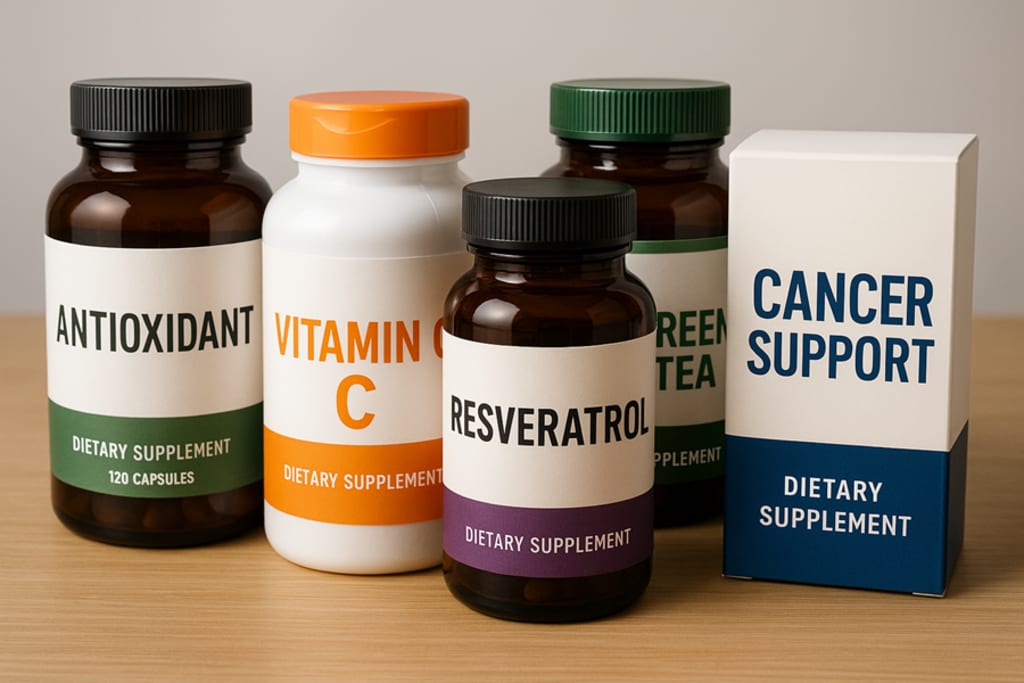
Let’s face it—after years of pandemic panic, seasonal viruses, and chronic stress, more Canadians than ever are paying close attention to their immune health. Whether it’s winter colds or long-term wellness goals, “immune system boosters” have become one of the most searched wellness terms in Canada—and for good reason.
But here’s the thing: Not everything trending online is backed by science. With 2025 bringing a new wave of supplements, health tech, and TikTok-fueled wellness fads, how do you separate the powerful immune boosters from the total nonsense?
Grab your cup of green tea (or your favorite smoothie booster) and let’s explore what’s actually worth your time—and what might just be marketing hype.
Why Immune Health Is Still a Big Deal in 2025
In a world where health threats are evolving faster than ever, Canadians are prioritizing long-term immune resilience—not just quick fixes. We’re no longer just looking to fight off a cold. We’re looking to:
- Bounce back faster from illness
- Keep energy levels up year-round
- Age more gracefully
- Reduce inflammation and oxidative stress
And we’re doing it with a mix of diet, lifestyle changes, and targeted supplements. This is where the surge in interest around immune system boosters and the best antioxidant supplements comes into play. But which ones are trending for the right reasons?
TRENDING: Real Immune Boosters That Are Worth the Hype
Let’s dive into some of the top-performing and science-supported immune boosters taking Canada by storm in 2025.
1. Quercetin + Zinc Combo
This pair is having a serious moment—and it's not just social media hype. Quercetin (a plant flavonoid found in onions and apples) helps shuttle zinc into cells where it supports immune defense. Together, they’ve been shown to reduce the severity of viral infections.
Why it's hot: Studies show the combo may help shorten illness duration, and more Canadian wellness brands are packaging them together for maximum punch.
2. Liposome-Encapsulated Vitamin C
We all know vitamin C is a classic immune supporter, but in 2025, liposomal C is leading the charge. Why? It’s absorbed more efficiently into the bloodstream and doesn’t upset the stomach like traditional C mega doses.
Why it's hot: Faster delivery. Better absorption. Stronger cellular defense. Great for travelers and immune-compromised individuals.
3. Mushroom Extracts (Yes, They’re Still In!)
From reishi and chaga to lion’s mane and turkey tail, mushrooms have carved out their rightful spot in Canadian supplement aisles.
Why they’re hot: These fungi don’t just boost immunity—they help regulate it. That’s huge for people dealing with autoimmune conditions or chronic inflammation.
Pro tip: Look for dual-extract formulas for both water- and fat-soluble benefits.
4. Probiotics—But Make It Personalized
Gone are the days of popping any random probiotic pill. In 2025, the focus is on strain-specific probiotics tailored to support immune function, not just gut health.
Why it’s hot: More research connects gut flora with immune strength. The right strains (like Lactobacillus rhamnosus GG) help your body stay balanced and resilient.
5. Canadian-Made Antioxidant Formulas
With rising demand for clean, local supplements, brands like Physicians Research are standing out by offering Canadian-crafted formulas that combine immune system boosters with the best antioxidant supplements to fight free radical damage, support detox pathways, and protect cellular health.
Why it’s hot: Clean-label ingredients, science-backed formulas, and a growing trust in local brands.
Overhyped (and Overpriced) Immune Trends to Avoid
Not all immune-boosting trends are created equal. Some are just repackaged old ideas with shiny marketing—or worse, completely unsupported by research.
Here are a few 2025 duds:
1. Exotic Superfruit Extracts Without Clinical Data
Dragon fruit? Acai 7X blends? While they sound sexy, many lack consistent clinical evidence for immune support. You're often paying for branding over benefits.
2. DIY “Immune Detox” Kits
The idea of “detoxing your immune system” might sound appealing, but your liver and kidneys are already doing this job. These kits can be overpriced—and potentially disrupt your gut microbiome.
3. High-Dose Single Nutrients Without Synergy
Mega-dosing on vitamin D or E without balancing nutrients like magnesium or vitamin K2? Bad idea. Nutrients work together, not in isolation.
4. TikTok Immunity “Shots”
From ginger-laden shots to fiery pepper cleanses, these trendy drinks might give you a short-term zing but don’t offer sustained support. Plus, they may irritate your stomach or mess with digestion.
The Role of Antioxidants: Why They Matter More Than Ever
In 2025, we’re dealing with higher levels of oxidative stress than ever before—thanks to screen time, pollution, processed foods, and even mental stress. That’s why antioxidants aren’t just a nice-to-have anymore—they’re essential.
The best antioxidant supplements don’t just support immunity—they protect your entire body at the cellular level.
Look for these powerhouse ingredients:
- Glutathione (the “master antioxidant”)
- Alpha-lipoic acid
- Resveratrol
- Astaxanthin
- NAC (N-acetyl cysteine)
When combined with immune-focused ingredients, antioxidants help:
- Reduce inflammation
- Fight cellular aging
- Improve recovery
- Support detoxification
And that’s exactly why Canadian consumers are choosing advanced formulas that blend antioxidants and immune boosters together for all-in-one protection.
The Future of Immune Support: AI, Customization & Testing
2025 is also the year of personalized immune care. It’s not just about what’s trending—it’s about what works for you.
What’s New:
- Home immune status testing kits that track inflammation markers, nutrient levels, and microbiome health
- AI-driven supplement planning based on your personal health data
- DNA-based nutrition advice to optimize your immune response long-term
This marks a massive shift from “one-size-fits-all” to “bio-individual wellness,” and Canada is one of the leaders in embracing this shift.
Tips to Choose Effective Immune System Boosters in Canada
If you’re standing in a supplement aisle (or scrolling online), overwhelmed by options, here’s how to make smart picks:
1. Check for Third-Party Testing
Make sure the product is tested for potency, purity, and contaminants—especially if imported.
2. Look for Canadian Brands
Supporting homegrown companies like Physicians Research ensures quality control, clean ingredients, and formulas designed with the Canadian lifestyle in mind.
3. Scan for Key Immune Nutrients
Your product should include a blend of:
- Vitamin D3
- Zinc
- Vitamin C
- Selenium
- Herbal immune adaptogens (like echinacea, elderberry, or astragalus)
4. Avoid Fillers, Sugar, and Artificial Additives
Even gummies and chewables can hide unnecessary sugars or dyes that work against your immune goals.
Final Thoughts: Strengthen, Don’t Stress
In the fast-evolving world of wellness, it’s easy to get caught up in what’s trending. But the truth is: the best immune system boosters are the ones that work with your body—not against it.
Focus on consistency, not gimmicks. Choose whole foods, quality supplements, and smart lifestyle habits. And remember, your immune health is a long game, not a one-off fix.
As Canadians continue to invest in health-forward living, the demand for the best antioxidant supplements and immune-boosting nutrition will only grow. The key is choosing wisely—and knowing what’s hype and what’s healing.
Physicians Research remains committed to delivering science-driven, clean-label immune health solutions designed for Canadians who want to feel stronger, live longer, and thrive in 2025 and beyond.
About the Creator
Jack Thomas
I’m Jack Thomas, a versatile blogger and SEO expert with a passion for exploring every niche. From tech to lifestyle, I craft engaging, high-quality content that informs, inspires, and connects readers.
Keep reading
More stories from Jack Thomas and writers in Lifehack and other communities.
Can Sleep Supplements Help Anxiety? What Science Says About Melatonin and Mood
Have you ever found yourself tossing and turning at night, mind racing, stress rising, and sleep feeling like a distant dream? You’re not alone. Millions of Canadians deal with sleep struggles and anxiety on a regular basis—and often, the two go hand in hand. That’s why so many are turning to melatonin supplement and sleep better supplements for help.
By Jack Thomas8 months ago in Lifehack
The Essential Role of a Quantum Expert Witness in High-Tech Litigation
With the increasing speed in quantum technology, quantum computing, cryptography, telecommunications, and advanced materials, cases are increasingly pitting themselves against each other in courts. They are the cases when one has to deal with the concepts that are much higher, which is why the assistance of a professional specialist cannot be avoided. When the stakes involve intellectual property, algorithm performance, or the integrity of quantum systems, attorneys often rely on a quantum expert witness to clarify and validate the complex scientific issues at the heart of the dispute.
By Jane Smithhabout 23 hours ago in Lifehack


Comments
There are no comments for this story
Be the first to respond and start the conversation.