
Hypertension: The Silent Killer and How to Manage It
Understanding and Managing High Blood Pressure for a Healthier Heart

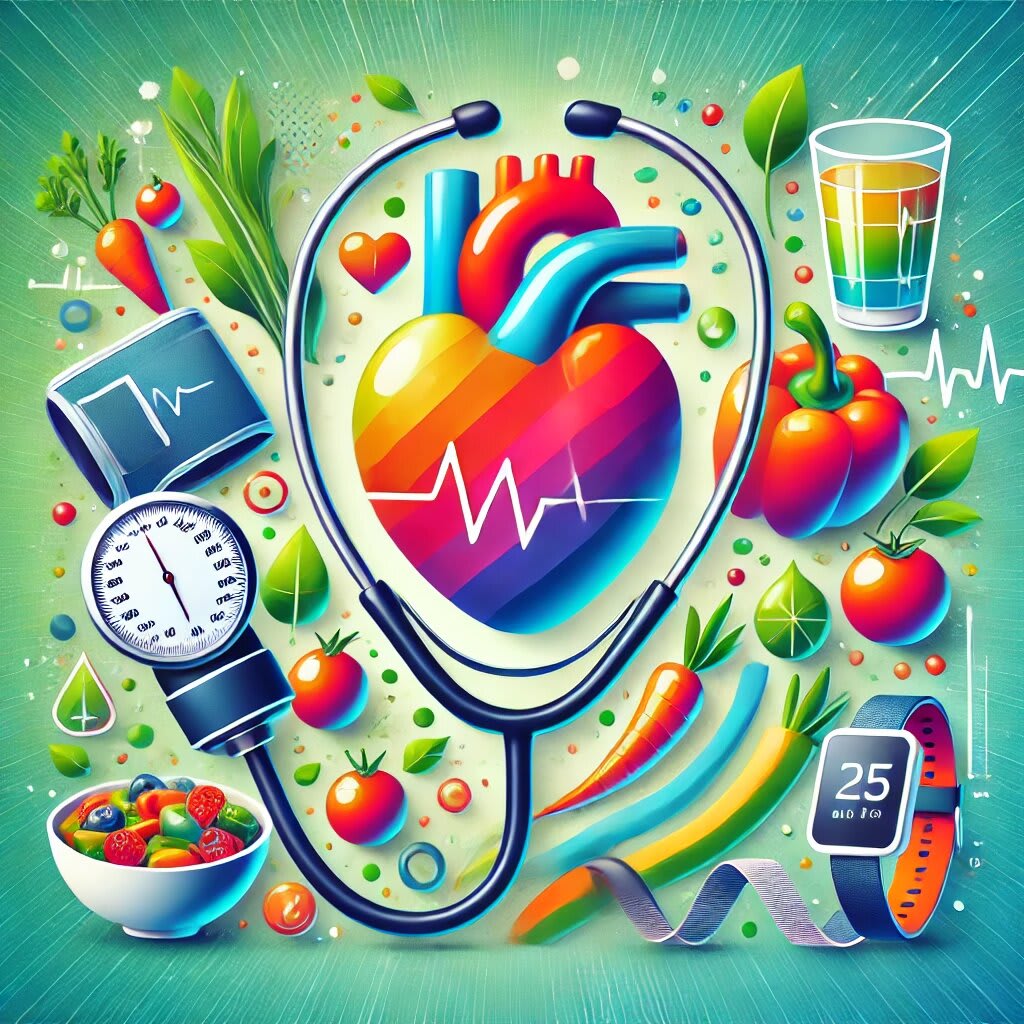
Hypertension: The Silent Killer and How to Manage It
Hypertension, commonly known as high blood pressure, is often referred to as the “silent killer” because it rarely presents noticeable symptoms but can lead to severe health complications if left unmanaged. It affects millions of people globally and is a leading cause of heart disease, stroke, and kidney failure. The good news? Hypertension is both preventable and manageable with the right lifestyle changes and, when necessary, medical intervention.
In this blog, we’ll break down what hypertension is, why it’s dangerous, and how to take control of it.
What Is Hypertension?
Blood pressure is the force of blood pushing against the walls of your arteries. When this pressure remains consistently high, it’s called hypertension. It is measured in two numbers:
Systolic pressure: The higher number, representing the pressure when the heart beats.
Diastolic pressure: The lower number, representing the pressure when the heart rests between beats.
Normal blood pressure is typically below 120/80 mmHg. Hypertension is diagnosed when readings consistently exceed 130/80 mmHg.
Why Is Hypertension Dangerous?
High blood pressure strains the cardiovascular system, increasing the risk of:
Heart Disease: Hypertension can cause the heart to work harder, leading to conditions like heart failure or coronary artery disease.
Stroke: High pressure can weaken or rupture blood vessels in the brain, causing a stroke.
Kidney Damage: Hypertension can impair kidney function, potentially leading to kidney failure.
Vision Loss: Persistent high blood pressure can damage blood vessels in the eyes, causing vision problems.
Risk Factors for Hypertension
Several factors contribute to the development of high blood pressure, including:
Lifestyle Choices:
Poor diet, particularly high in salt and saturated fats.
Lack of physical activity.
Excessive alcohol consumption and smoking.
Medical Conditions:
Obesity.
Diabetes.
Chronic stress.
Non-Modifiable Factors:
Age (risk increases with age).
Family history of hypertension.
Ethnicity (certain groups are at higher risk).
How to Manage and Prevent Hypertension
The best approach to hypertension involves both lifestyle modifications and, if needed, medication prescribed by a healthcare provider. Here’s what you can do:
1. Adopt a Heart-Healthy Diet
What you eat plays a crucial role in blood pressure management.
Tips:
Follow the DASH diet (Dietary Approaches to Stop Hypertension), which emphasizes fruits, vegetables, whole grains, lean proteins, and low-fat dairy.
Limit sodium intake to less than 2,300 mg per day (or 1,500 mg for those at higher risk).
Avoid processed foods and sugary beverages.
2. Stay Active
Regular physical activity strengthens the heart and improves circulation, helping to lower blood pressure.
How to get started:
Aim for at least 150 minutes of moderate aerobic activity per week (e.g., brisk walking, cycling, or swimming).
Incorporate resistance training twice a week.
3. Maintain a Healthy Weight
Excess weight puts additional strain on the heart and can contribute to high blood pressure.
Steps to take:
Set realistic weight-loss goals.
Combine a balanced diet with regular exercise for sustainable results.
4. Reduce Stress
Chronic stress can elevate blood pressure, so managing stress is essential.
Practical tips:
Practice relaxation techniques like deep breathing, yoga, or meditation.
Prioritize activities that bring joy and relaxation into your daily life.
Seek professional counseling if stress feels overwhelming.
5. Limit Alcohol and Quit Smoking
Both alcohol and smoking contribute to high blood pressure and overall cardiovascular risk.
What to do:
If you drink alcohol, limit it to one drink per day for women and two for men.
Seek support groups or smoking cessation programs to quit smoking.
6. Monitor Your Blood Pressure Regularly
Keeping track of your blood pressure allows you to notice trends and take timely action.
How to monitor:
Use a home blood pressure monitor as advised by your doctor.
Record readings consistently and share them with your healthcare provider.
7. Take Medications as Prescribed
In some cases, lifestyle changes alone may not be enough to control hypertension. Medications can help maintain healthy blood pressure levels.
Important reminders:
Follow your doctor’s instructions carefully.
Never stop medication without consulting your healthcare provider.
Discuss potential side effects with your doctor.
When to See a Doctor
You should seek medical attention if:
Your blood pressure readings are consistently above 130/80 mmHg.
You experience symptoms such as severe headaches, chest pain, difficulty breathing, or vision problems (these could indicate a hypertensive crisis).
You have risk factors like diabetes or a family history of hypertension.
Conclusion
Hypertension is a serious condition, but it’s also highly manageable with the right strategies. By adopting a heart-healthy lifestyle, monitoring your blood pressure, and working closely with your healthcare provider, you can reduce your risk of complications and live a healthier life.
Remember, prevention is always better than cure. Even small changes, such as reducing salt intake or taking a daily walk, can have a significant impact on your health. Take the first step today—your heart will thank you!
About the Creator
Dr.Writes
I’m a healthcare practitioner who loves sharing simple tips and ideas to help people live healthier, happier lives. My background in health allows me to break down complex topics into easy-to-understand advice that anyone can use.
How Sherman Lai Integrates Natural Therapies for Whole-Body Wellness
Many people have begun searching for natural methods to enhance their general health and well-being in recent years. Holistic healthcare concentrates on balancing the overall body rather than just treating symptoms. Because they promote long-term wellbeing, natural treatments including acupuncture, herbal medicine, and lifestyle counseling are growing in popularity. Sherman Lai, a practitioner renowned for this well-rounded approach, combines many natural healing techniques to assist people in achieving whole-body wellbeing.
By Sherman Lai Guelpha day ago in Lifehack




Comments
There are no comments for this story
Be the first to respond and start the conversation.