
How To Verify A Home Warranty Company?
A Home Warranty Company

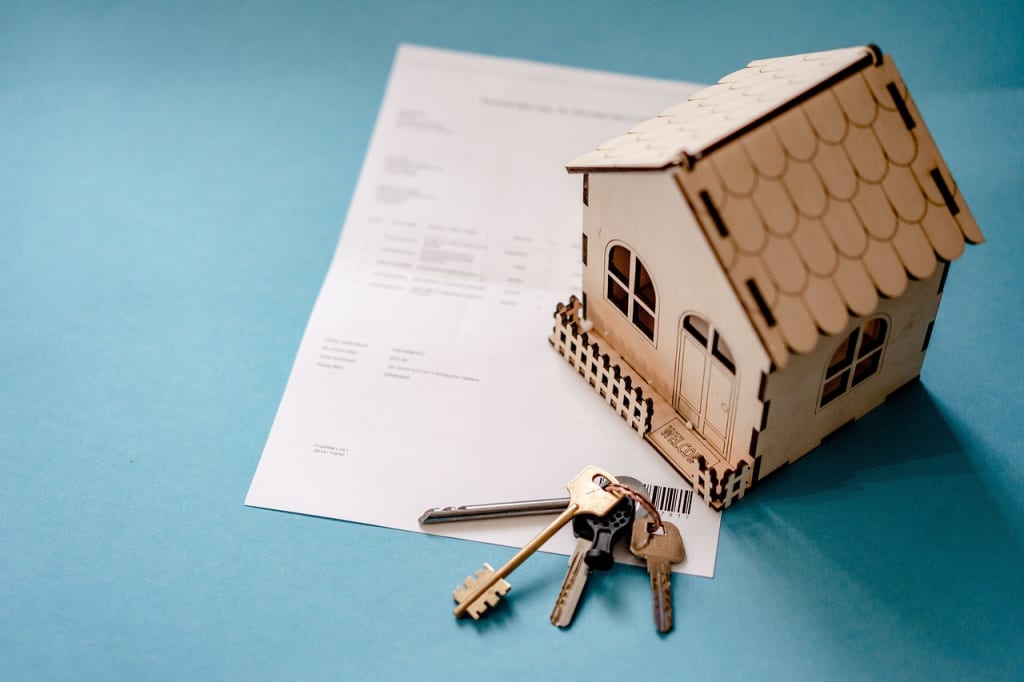
As someone who's been in homes of all shapes and sizes for years, I have heard a lot of stories from people who told me their worst ever experiences with warranty companies. They told me how they lost so much of their savings because of this but this doesn’t mean getting a warranty is a bad idea.
You buy a home so it’s important for you to get protection for when things go south with your appliances or systems. But not all home warranty companies are the same, from what my clients told me, some of their experiences were bad but there were some that were good too.
Some are fantastic and will have your back when your AC decides to take a vacation in July. But there are some that will take your money and suddenly become harder to reach or just completely disappear.
In this post, we are going to learn how you can verify a home warranty company because knowing how to spot a legit company from a shady one is crucial for both your home and your bank account.
So make sure to read this carefully if you want to save your thousands of dollars and countless headaches down the road.
Understand What a Legitimate Home Warranty Company Offers
First things first, you gotta know what you're actually shopping for. A legit home warranty company offers service contracts that cover repair or replacement of major home systems and appliances when they break down from normal wear and tear.
Good companies will be upfront about:
- What's covered and what's not
- How much you'll pay for premiums
- What your service call fee will be
- How claims work
- How long it typically takes to get service
What they should NOT do is promise to cover absolutely everything with no questions asked. And if someone is telling you that then this is straight up shady because every warranty has limitations.
American homeowners invest nearly $4 billion annually in home warranties, yet satisfaction ratings vary widely. Some surveys report satisfaction rates between 70% and 90%, while others cite frequent complaints, it’s just the key is finding a high-performing provider.
Ways To Verify A Home Warranty Company
Look, checking out a warranty company isn't rocket science, but you do need to be thorough with it. You wouldn't hire a contractor for your kitchen renovation without doing some digging. You need to do some research and all before selecting for the work, the same principle applies here.
In this section, we are going to learn how to verify a home warranty company. Be sure to pay close attention to all these before deciding on one for the protection of your home.
Check for Licensing and Accreditation
A legit home warranty company needs to be licensed in your state. This varies state by state, which is why some companies only operate in certain regions.
Go to your state's insurance commission website and look them up, it takes like 5 minutes max. In California, for example, home warranty companies are regulated by the Department of Insurance. In other states, it might be under a different department.
Also, check the various awards that they have earned over the years. This gives more clarification on their reputation in the market. For example, one of my friends looked for choice home warranty awards, when he was exploring CHOICE home warranty.
Also check if they're accredited by the Better Business Bureau. Now, a BBB rating isn't everything, but if they don't even bother with accreditation.
I once worked with a family moving into a gorgeous Tudor style home and they told me how they almost signed with a warranty company that had no license in our state. But good thing, they decided to check their credentials online.
Review Reputation & Complaints
The best way to check the company’s authenticity and how they work is by going to Google. But there are other websites and platforms like Yelp, BBB, Trustpilot, Consumer Affairs, etc, where you can find all the relevant information you need, you will also get real people’s reviews on how their service was.
But don't just look at the star rating, actually read what people are saying, go through both the negative and positive reviews. Pay special attention to how the company responds to negative reviews.
You will see how their customer service is by reading their responses. One thing I always tell my clients is to Google the company name plus "scam" or "complaints." A lot of home warranty complaints are about claims being denied for seemingly very unusual reasons.
Evaluate Transparency and Readability
If their website and contracts read like they were written by a lawyer, something that’s too hard to understand and all, then it’s time for you to step back.
A good warranty company always uses clear and easy to understand language, where they clearly mention their coverage, exclusions, and clearly discuss their claim process. They explain things clearly without hiding behind those overly fancy words or legal mumbo jumbo.
What you can do is, go to their website. There you can you easily find:
- Coverage details
- Pricing
- Claims process
- Contact information
Read the Fine Print
When signing a contract with any home warranty company, you need to carefully read the fine print without missing any detail. And if you can’t understand anything then ask them about it.
You need to look specifically for:
- Exclusions
- Caps on repair costs
- Waiting periods
- Pre-existing condition clauses
- How they handle replacements
Most people are shocked when they learn many home warranties only pay a fraction of what it costs to replace major systems like HVAC. Some have a $500 cap on refrigerators that cost $2,000 to replace.
Also pay attention to their definition of "pre-existing condition." Some companies consider anything that breaks in the first 30 days as pre-existing, even if there was no way to know.
About 35% of claim denials happen because of fine print exclusions the homeowner never noticed. Don't be part of that statistic.
Compare With Other Reputable Warranty Companies
Never go with the first company you find, always get quotes from at least three reputable companies and compare. You need to see how they perform, how they deal with their customers, and how they handle complaints.
Check if they charge anything extra that is not mentioned in the document. You need to be very active here and when you compare prices with other warranty companies, make sure you get:
- Monthly or annual cost
- Service call fees
- What's covered
- Coverage limits
- Customer reviews
You might be surprised how much they vary. I've seen identical homes get quotes that differ by hundreds of dollars for similar coverage.
The average home warranty costs between $300 and $600 annually, with service call fees ranging from $75 to $125. If someone is charging way below or above that range, simply ask them why.
Seek Referrals & Independent Advice
The best way to get a reputable home warranty is by talking to people who've actually used the service. This way you can get more trustable and reliable company, and you might also get some discounts too.
You can ask real estate agents, they are gold mines for this info because they deal with warranty companies all the time and hear the feedback from their clients.
I have a list of three companies that I recommend to my clients based on years of feedback. One of my clients saved herself a major headache because her neighbor had used the company she was considering and warned her about their awful customer service. That kind of real-world feedback is priceless.
Check Contractor Network
This is the part most people forget about and that is checking the contractor network. Because even if the company is reliable and has everything correct, are the workers reliable too? You need to know who actually shows up to fix your stuff, this matters a lot.
Ask the warranty company:
- How they select their contractors
- If they're licensed and insured
- How quickly they typically respond
- What happens if you're not satisfied with the work
Some companies use whoever's cheapest, not whoever's best. That's how you end up with a "repair" that breaks again two weeks later.
I had my own run-in with this when I was getting my condo remodeled. The contractor sent by the warranty company to fix my refrigerator made things worse, and I ended up having to hire someone else anyway. What a waste of time and money.
About 40% of negative reviews mention poor quality contractors or long wait times for service. That's not a coincidence.
Ask Direct Questions
It’s always right to ask questions before signing a contract. You simple need to call them up and ask tough questions like:
- What's your claim approval rate?
- How quickly do you typically respond to claims?
- What's your process if I'm not happy with the contractor's work?
- Can I use my own contractor if yours isn't available?
- How do you handle emergency situations?
If they get defensive or vague, that tells you everything you need to know. I always recommend asking "What are the most common reasons claims get denied?" Their answer will be very revealing.
A client of mine grilled a warranty company with questions and caught them contradicting their own contract. She went with another company and was so glad she did when her water heater failed six months later.
Common Scams to Watch Out For
Let me tell you, the scammers in this industry can get pretty creative. Here are some red flags that should send you running:
- Companies that call or email you out of the blue with "special offers"
- Extremely low prices that seem too good to be true
- No waiting period before you can file claims
- Pressure to sign up immediately for a "limited time offer"
- No physical address on their website
- Contracts that are super short and vague
One scam that's becoming more common is the fake renewal notice. You get a letter saying your warranty is about to expire, please send payment. But it's not from your actual company.
I had a client who almost fell for this. The letter looked legit but was from a completely different company trying to trick her into starting a new policy.
The FTC reports that home warranty scams are among the top ten reported consumer issues, with Americans losing over $20 million annually to fraudulent companies.
Conclusion
Look, buying a home warranty can be a smart move. When things go wrong in your home, it's nice knowing you're not facing a financial disaster. But the key is finding a company that actually delivers on its promises.
Take your time, do your research, read the boring fine print, and ask lots of questions. A little work upfront can save you from joining the ranks of frustrated homeowners who feel like they wasted their money.
And remember, no warranty covers everything. Even with the best company, you'll still need some savings set aside for home repairs.
I've seen the relief on clients' faces when their warranty company comes through during a crisis. I've also seen the stress when they're fighting to get a legitimate claim approved. The difference almost always comes down to whether they did their homework before choosing a company.
Trust your gut. If something feels off about a company, it probably is. There are good home warranty companies out there that will actually have your back when things go wrong. You just need to find them.
Now go forth and warranty shop with confidence! Your future self with the suddenly non-functioning air conditioner will thank you.
About the Creator
Sujain Thomas
Sujain Thomas is a contributing author of Garmin Singapore. She has been passionate about watches since childhood.
Keep reading
More stories from Sujain Thomas and writers in Lifehack and other communities.
Fincover’s Credit360 Program: A Game-Changer for CIBIL Defaulters
Empowering Borrowers with a Second Chance Financial stability is a cornerstone of personal well-being, but for many individuals in India, a low CIBIL score has become a major roadblock in accessing credit. A poor credit score often leads to loan rejections, higher interest rates, and financial stress, making it difficult for borrowers to recover from past financial mistakes.
By Sujain Thomasabout a year ago in Lifehack
How to Find Penny Items at Dollar General
Imagine walking into Dollar General and walking out with a cart filled with items that cost you a total of less than a dollar. The lucky few who snag penny items certainly have experienced the adrenaline and happiness it creates. If you want to feel like a Queen (or king) for a day, read below to learn how you can become a DG penny-aire.
By Criminal Matters7 days ago in Lifehack




Comments
There are no comments for this story
Be the first to respond and start the conversation.