
How to Stay Healthy on the Annapurna Circuit: Essential Tips
Annapurna Trek
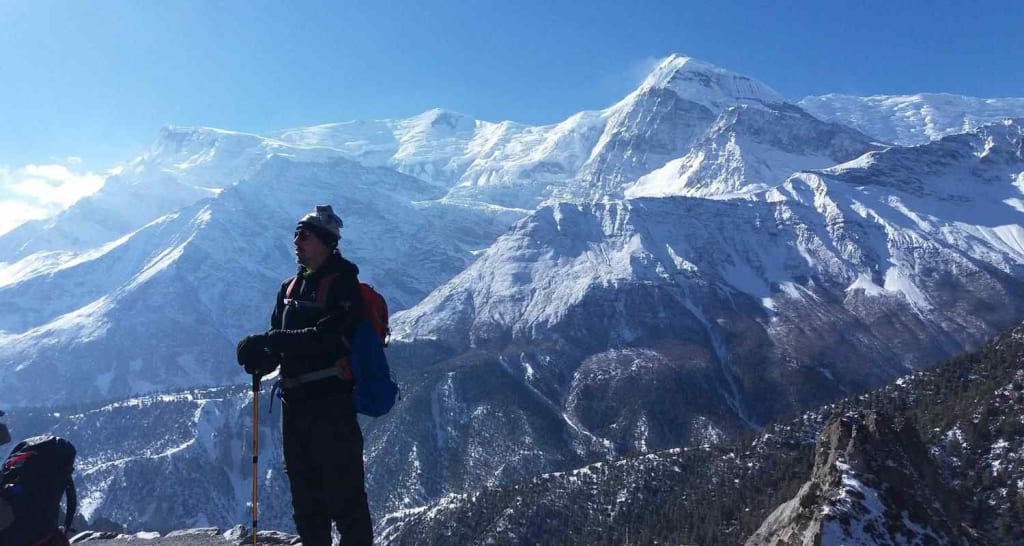
The Annapurna Circuit Trek is one of the most iconic treks in the world, offering adventurers stunning landscapes, rich cultural experiences, and a physically rewarding journey through the Himalayas. However, staying healthy during the Annapurna Circuit Trek tour is essential to enjoy the challenging adventure thoroughly. Trekking at high altitudes, adjusting to unpredictable weather conditions, and managing long days of physical exertion require careful planning and preparation.
In this guide, we’ll provide essential tips on staying healthy while tackling the Annapurna Circuit so you can make the most of your trekking experience.
Prepare Physically Before the Trek
Physical fitness is crucial to handle the demanding nature of the annapurna circuit trek tour. Start training at least two months before your trek to build endurance, strength, and cardiovascular fitness.
Training Suggestions:
Cardiovascular exercises: Running, cycling, swimming, and stair climbing will improve your stamina and prepare you for long trekking days.
Strength training: Focus on leg exercises like squats, lunges, and calf raises to strengthen your lower body.
Hiking practice: Do regular hikes with a weighted backpack to simulate conditions on the trail.
Flexibility and balance: Yoga and stretching exercises will improve your balance and flexibility, preventing muscle strains.
Stay Hydrated
Dehydration is a significant concern during the Annapurna Circuit trek tour, especially at high altitudes. Your body loses water more quickly due to dry air, increased physical exertion, and altitude’s diuretic effect.
Hydration Tips:
Drink frequently: Aim to drink 3-4 liters of water daily. Even if you don't feel thirsty, it's important to keep sipping water throughout the day.
Use water purification tablets or a filter: Safe drinking water may not always be available. Purify water from local sources to avoid waterborne illnesses.
Avoid alcohol and caffeine: These can lead to dehydration and exacerbate altitude sickness.
Manage Your Diet
Maintaining a nutritious diet on the trek will give you the energy to keep going and aid in recovery after long hiking days.
Food Suggestions:
Carbohydrates: Eat plenty of rice, noodles, bread, and potatoes for energy.
Proteins: Dal Bhat (a traditional lentil-based dish), eggs, and lean meats are excellent protein sources that help muscle recovery.
Fruits and vegetables: While these may be limited in some areas, opt for fresh produce when available to get essential vitamins.
Snacks: Pack energy bars, nuts, and dried fruits for quick energy boosts during the day.
Prevent Altitude Sickness
Altitude sickness, also known as Acute Mountain Sickness (AMS), is a significant risk while trekking the Annapurna Circuit as you ascend to elevations over 5,000 meters. It’s essential to prevent and manage AMS to stay healthy and safe.
Preventing Altitude Sickness:
Ascend gradually: Avoid rapid ascents to higher altitudes. Follow the "climb high, sleep low" rule, and plan acclimatization days to give your body time to adjust.
Stay hydrated: Dehydration can worsen altitude sickness, so drink water regularly.
Use medication: Consider taking medications like Diamox (acetazolamide) to prevent AMS. Consult with a doctor before starting the trek.
Know the symptoms: Watch for signs of AMS, such as headaches, dizziness, nausea, and difficulty breathing. If you experience severe symptoms, descend immediately.
For more details, visit here: https://orangedmc.com/annapurna-trek.html
Dress in Layers
The weather on the Annapurna Circuit Trek can be highly unpredictable, with significant temperature fluctuations between day and night. Dressing in layers will help you stay comfortable and regulate your body temperature.
Layering System:
Base layer: Use moisture-wicking fabrics like merino wool to keep sweat from your skin.
Mid-layer: Fleece or down jackets provide insulation and warmth during colder sections of the trek.
Outer layer: A waterproof and windproof jacket is essential to protect you from rain, snow, and wind at higher elevations.
Don’t forget to pack a hat, gloves, and thermal socks to keep your extremities warm in cold weather.
Practice Good Hygiene
Staying clean and maintaining personal hygiene can prevent illnesses and infections while trekking the Annapurna Circuit. Lack of proper facilities may make it challenging, but a few simple practices can go a long way in keeping you healthy.
Hygiene Tips:
Hand hygiene: Always carry hand sanitizer and use it before meals and after using the bathroom.
Toiletries: Bring biodegradable soap, a quick-dry towel, and wet wipes for personal cleaning.
Sanitary water: Use a water purification system to ensure the water you use for brushing your teeth or cleaning utensils is safe.
Take Care of Your Feet
Blisters, sore muscles, and foot injuries can derail your trek. Caring for your feet is essential to staying healthy on the Annapurna Circuit.
Foot Care Tips:
Proper footwear: Invest in high-quality, broken-in trekking boots with good ankle support.
Comfortable socks: Wear moisture-wicking, cushioned socks to prevent blisters.
Blister prevention: Use blister tape or bandages on pressure points before blisters form.
Foot stretches: Stretch your feet and legs at the end of each day to relieve tension.
Get Enough Sleep
Rest is crucial for recovery during your trek. High altitude and physical exertion may disrupt sleep, so creating a comfortable sleeping environment is essential.
Sleep Tips:
Warm sleeping bag: Bring a four-season bag to keep warm in freezing temperatures.
Sleep aids: Earplugs and an eye mask can help block out noise and light in shared lodges.
Acclimatize: Avoid sleeping at higher altitudes too quickly. Spend extra nights at lower elevations if necessary to acclimatize.
Respect Your Limits
While pushing yourself to cover more distance each day is tempting, overexertion can lead to exhaustion or injury, jeopardizing your health.
Trekking Pace Tips:
Go slow: Trek steadily, allowing your body to adjust to the terrain and altitude.
Take breaks: Rest frequently and listen to your body. It’s better to take regular breaks than to push through fatigue.
Don’t skip acclimatization days: These rest days are essential for preventing altitude sickness.
Carry a First-Aid Kit
A well-stocked first-aid kit is a must on the Annapurna Circuit trek tour. It should contain essential medications and supplies to treat minor injuries and illnesses.
Essentials for Your First-Aid Kit:
Pain relievers: For headaches and muscle aches.
Bandages and blister pads: To treat cuts, scrapes, and blisters.
Anti-diarrheal medications: To manage stomach upsets caused by contaminated food or water.
Altitude sickness medication: Acetazolamide (Diamox) or other AMS prevention medicine.
Conclusion
The Annapurna Circuit Trek tour is a life-changing experience with physical and mental challenges. Staying healthy during the trek is crucial for making the most of your adventure. By preparing physically, staying hydrated, eating well, managing altitude, and caring for your body, you’ll be better equipped to tackle the breathtaking Annapurna Circuit and annapurna tour while staying in peak condition.
About the Creator
Keep reading
More stories from Salman Thavertech and writers in Lifehack and other communities.
Annapurna Circuit Trek: A Trekker's Reflection on Life and Nature
The Annapurna Circuit Trek is not just a journey through towering mountains and breathtaking landscapes. It's a profound experience that leaves an indelible mark on the soul. As you traverse the rugged paths, cross high-altitude passes, and wander through remote villages, the trek offers more than just scenic beauty—it provides a fresh perspective on life, nature, and the interconnectedness of everything around us.
By Salman Thavertechabout a year ago in Lifehack
Flying Passport Scandal: The Dark Side of ‘Fast Track’ Travel No One Told You About
So, the “flying passport scandal” sounds like a Netflix thriller, but sadly it’s just real life being weird again. At its core, it’s about people hijacking the trust we put in passports so they can slide past normal borders and rules like it’s VIP lane day every day.
By Anie the Candid Writer Abroad7 days ago in Lifehack


Comments
There are no comments for this story
Be the first to respond and start the conversation.