
How to Start a Vegetable Garden from Scratch: A Step-by-Step Guide
vegetable garden plants
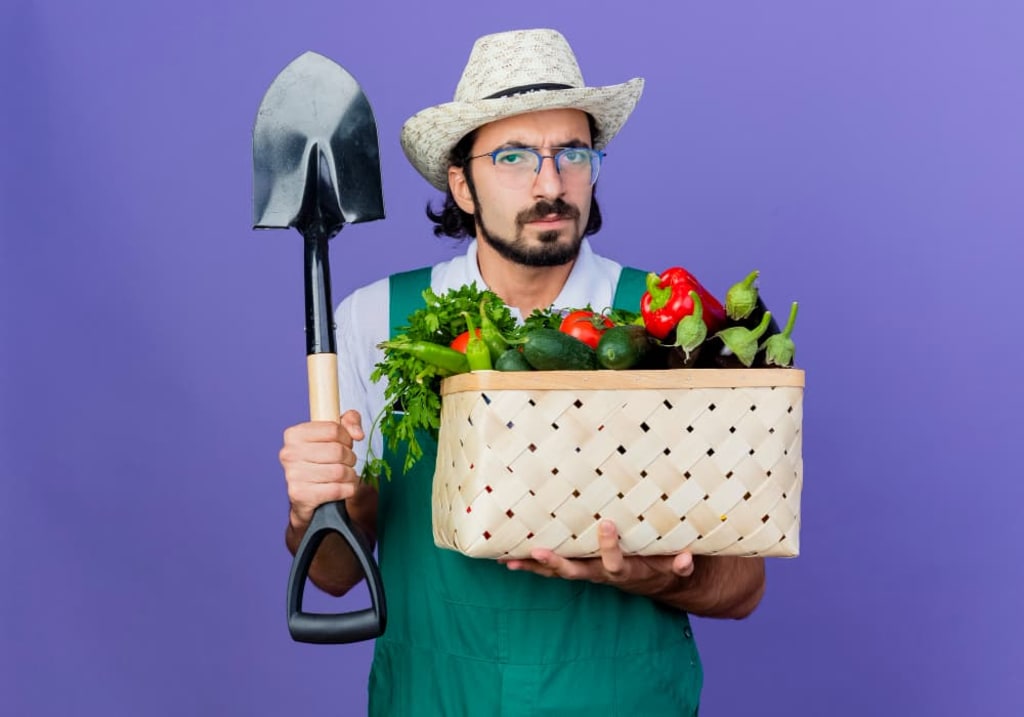
Establishing a vegetable garden from the ground up can be an enriching and satisfying activity. Whether you want to minimize costs, savor fresh produce, or engage with nature, cultivating your own vegetables provides numerous advantages. In this comprehensive guide, we will guide you through the steps to create a thriving vegetable garden, from planning and preparing the soil to choosing the most suitable vegetable garden plants and harvesting your produce.
Step 1: Choose the Right Location
The initial step in establishing a vegetable garden is to select an appropriate location. Your garden should be positioned to receive plenty sunlight, ideally between 6 to 8 hours each day. Most vegetable garden plants require full sunlight to flourish, so choose a spot that is free from shade caused by trees, buildings, or fences. Ensure that the area has adequate drainage to avoid water accumulation, as excessive moisture can result in root rot and other complications. If you have limited space, there’s no need to worry! You can still cultivate a variety of vegetables in containers, raised beds, or vertical gardens. These methods work wonderfully for smaller areas such as balconies or patios.
Step 2: Plan Your Garden Layout
Designing your garden layout is essential to ensure your plants receive the best possible start. Begin by determining which vegetables you wish to grow based on your climate, available space, and personal taste. Some vegetables thrive better in cooler climates, while others perform well in warmer conditions.
When planning the layout, consider the following factors:
Spacing: Ensure you leave sufficient space between plants for proper growth. Overcrowding can lead to suboptimal air circulation and competition for nutrients.
Companion planting: Certain vegetables grow better when paired with specific companions. For instance, placing basil near tomatoes can deter pests and enhance the flavor of the tomatoes.
Crop rotation: To keep your soil healthy, rotate your crops each season. This practice helps prevent nutrient exhaustion and reduces pest accumulation.
Step 3: Prepare the Soil
Healthy soil forms the foundation of a productive vegetable garden. Start by assessing your soil’s pH level and nutrient composition. Most vegetable garden plants prefer slightly acidic to neutral soil (pH 6-7). You can buy a soil testing kit or submit a sample to a local extension office for examination.
Once you’ve analyzed the soil, it’s time to improve it. If your soil is heavy with clay or sandy, consider incorporating organic matter such as compost or well-decomposed manure. This addition will enhance soil structure, boost drainage, and supply critical nutrients to your plants. Adding organic matter also helps retain moisture, which is essential for vegetable growth.
Step 4: Select the Right Vegetable Garden Plants
Choosing the appropriate vegetable garden plants is important for a fruitful harvest. Start with vegetables that are simple to cultivate and well-suited to your local climate. Some beginner-friendly choices include:
Tomatoes: A common choice in many gardens, tomatoes are quite easy to grow and can be used in numerous recipes.
Lettuce: Lettuce thrives in cooler weather and can be gathered in just a few weeks.
Carrots: Carrots are a fantastic selection for both beginners and experienced gardeners, as they flourish in loose, sandy soil.
Radishes: Quick-growing radishes can be harvested in as little as 30 days, making them an exciting addition to any garden.
Cucumbers: These fast-growing plants are perfect for warm weather and can be grown vertically to maximize space.
When choosing vegetable garden plants, keep your growing season and available space in mind. Certain plants, such as cucumbers and beans, are suitable for vertical gardening or trellises, while root vegetables (carrots, beets) are best grown in the ground. Pay attention to the planting season for each type of vegetable—some should be planted in the spring, while others thrive when planted in fall or winter.
Step 5: Plant Your Vegetables
Once your soil is prepared and you’ve selected your vegetable garden plants, it’s time for planting. Be sure to adhere to the recommended planting depth and spacing for each vegetable. Planting too deeply can hinder growth, while planting too shallowly can leave the roots exposed to environmental elements.
For seeds, create shallow trenches in the soil and place the seeds according to the directions on the seed packet. If you are using seedlings, dig holes deep enough to accommodate the roots and gently position the plants into the soil, covering the roots completely. Immediately water your plants after planting to help them acclimate.
Ensure to water sufficiently to promote strong root development, but avoid overwatering, as this may result in root rot.
Step 6: Maintain Your Vegetable Garden
After you have planted your vegetables, proper care is critical to ensure they grow healthily. Regular responsibilities include:
Watering: Most vegetable garden plants need ongoing moisture, particularly during dry periods. Water thoroughly and refrain from overhead watering, as it can cause fungal diseases.
Weeding: Weeds compete with your vegetables for water, nutrients, and space. Remove weeds consistently to keep your garden healthy and free from competition.
Mulching: Apply an organic mulch layer around your plants to help conserve moisture, inhibit weeds, and maintain a stable soil temperature.
Fertilizing: Based on the nutrient requirements of your plants, you might need to fertilize every few weeks. Use a balanced, organic fertilizer to encourage healthy growth without overdoing it.
Step 7: Harvest Your Vegetables
As your vegetable garden plants mature, they will eventually be ready for harvesting. The right time to harvest will depend on the specific vegetables you have planted. Some, like lettuce and radishes, can be harvested sooner, while others, such as tomatoes and cucumbers, require additional time to ripen.
Harvesting at the right moment is essential to achieving the best flavor and texture. For instance, picking tomatoes when they are completely ripe results in a sweeter, more flavorful fruit. Make sure to harvest regularly to promote further growth.
Conclusion
Establishing a vegetable garden from the ground up is a rewarding and practical method to grow your own food. By adhering to these straightforward steps—from selecting the ideal location and preparing the soil to choosing the best vegetable garden plants and caring for your garden—you can enjoy fresh, homegrown produce throughout the season. With a bit of patience and attention, your vegetable garden will flourish, providing you with nutritious food and a gratifying gardening experience. Enjoy gardening!
About the Creator
Tannu Ka Garden
We explore the wonderful world of gardening, offering valuable tips, knowledge, and insights to help you become a skilled gardener. Whether you're just starting out or already have some experience, you'll find plenty of helpful information.
Keep reading
More stories from Tannu Ka Garden and writers in Lifehack and other communities.
How to Start a Thriving Terrace Vegetable Garden in India: Expert Tips & Tricks
Do you aspire to grow fresh, homegrown vegetables but do not have access to a traditional garden? Creating a terrace vegetable garden in India is an excellent way to cultivate your own organic produce, even amidst the fast-paced nature of city life. By employing the right methods and a dash of creativity, you can convert your terrace into a green sanctuary brimming with healthy, nutritious vegetables. In this article, we will provide expert advice and strategies on how to establish a flourishing terrace vegetable garden in India, along with some inventive terrace vegetable garden ideas in India to assist you in getting started.
By Tannu Ka Gardenabout a year ago in Lifehack
Why Creators Feel Rushed in the Age of Endless Content
Not long ago, creative work followed a slower, more deliberate rhythm. Artists had time to sit with ideas, revise them, and release their work when it felt ready. Today, that rhythm has changed. Creativity now lives inside an attention-driven digital world where timing often matters as much as talent.
By Beat Viz aiabout 7 hours ago in Lifehack
Mexico Vape Ban 2026: Tourists Face $12,500 Fines & Jail
Mexico has enforced a draconian prohibition on all vaping devices, enacting a total ban on their importation, distribution, and sale effective January 17. The decree, published in the Official Gazette of the Federation (DOF), reforms the General Health Law to eliminate the legal vape market entirely. For international tourists arriving for the 2026 FIFA World Cup, this poses immediate legal risks: bringing a vape into the country—even for personal use—can result in confiscation, detention, and fines reaching up to $12,500.
By Matthew Maa day ago in Lifehack



Comments
There are no comments for this story
Be the first to respond and start the conversation.