
How to Start a Thriving Terrace Vegetable Garden in India: Expert Tips & Tricks
terrace vegetable garden ideas in india

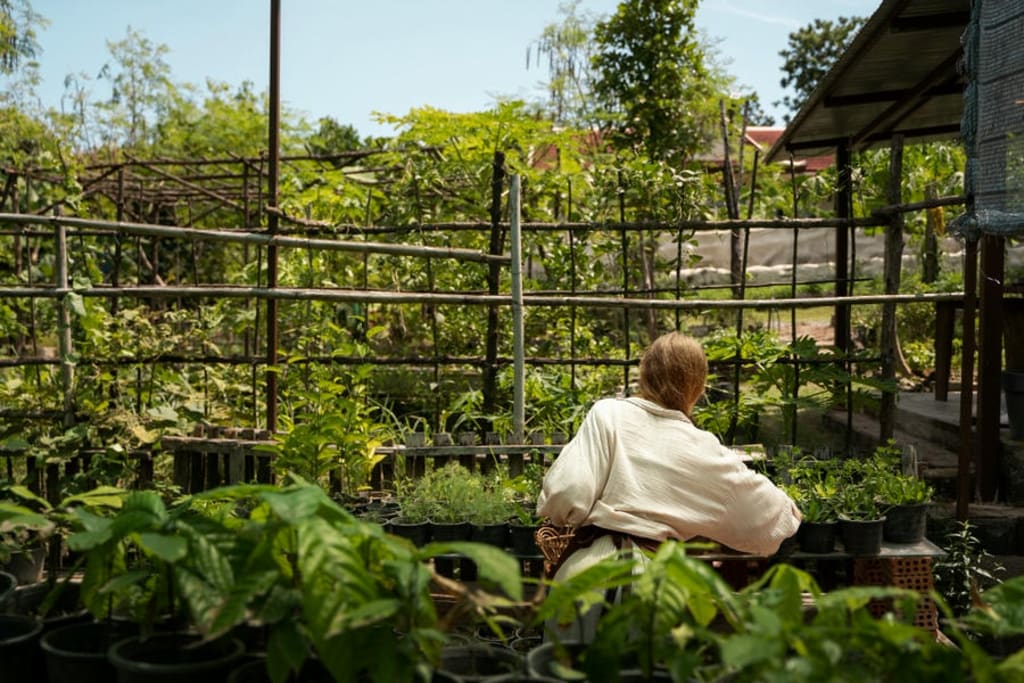
Do you aspire to grow fresh, homegrown vegetables but do not have access to a traditional garden? Creating a terrace vegetable garden in India is an excellent way to cultivate your own organic produce, even amidst the fast-paced nature of city life. By employing the right methods and a dash of creativity, you can convert your terrace into a green sanctuary brimming with healthy, nutritious vegetables. In this article, we will provide expert advice and strategies on how to establish a flourishing terrace vegetable garden in India, along with some inventive terrace vegetable garden ideas in India to assist you in getting started.
Advantages of a Terrace Vegetable Garden
Before we explore the setup process, let’s discuss the advantages of having a terrace vegetable garden:
Fresh and Organic Produce: Grow your own vegetables free from harmful pesticides, making sure that your family enjoys fresh and chemical-free food.
Space Optimization: Make use of underutilized terrace space, particularly in urban locations where gardening space is restricted.
Eco-Friendly: A terrace garden contributes to lowering your carbon footprint by promoting greenery and enhancing air quality.
Stress Relief: Gardening is a calming hobby that can alleviate stress and enhance mental well-being.
Cost-Effective: Cultivating your own vegetables can lead to substantial savings on grocery expenses.
A Step-by-Step Guide to Initiating a Terrace Vegetable Garden in India
1. Plan Your Garden Space
The initial step in establishing a successful terrace vegetable garden is thorough planning. Measure your terrace dimensions and consider aspects such as sunlight, wind, and shade. In India, most vegetables require at least 4-6 hours of sunlight, so select a sunny location for your garden. Organize a layout by segmenting your area for different plants.
Pro Tip: Implement vertical gardening techniques, such as wall-mounted planters or trellises, to optimize your space. This approach represents one of the most favored terrace vegetable garden ideas in India.
2. Select the Appropriate Containers
Choosing suitable containers is essential for a prosperous terrace garden. Select containers that are lightweight, durable, and feature adequate drainage holes. Some excellent choices include:
Terracotta pots: Traditional and breathable, perfect for plants that prefer drier soil.
Plastic pots: Lightweight and simple to relocate.
Grow bags: Ideal for deep-rooted vegetables, such as tomatoes and carrots.
Wooden planters: Provide a rustic aesthetic and are great for herbs.
Pro Tip: Recycle containers like old buckets, paint cans, or even plastic bottles to create an eco-friendly garden.
3. Choose the Best Soil
The effectiveness of your terrace vegetable garden is largely contingent on the soil quality. Use a combination of garden soil, compost, and cocopeat for optimal results. Cocopeat retains moisture well, making it suitable for India’s warm climate. Adding organic compost enriches the soil with essential nutrients, promoting healthy plant growth.
Soil Mix Recipe:
- 40% garden soil
- 30% compost (cow dung manure, vermicompost, or kitchen waste compost)
- 30% cocopeat or sand to improve aeration
4. Select the Ideal Vegetables for Terrace Gardening
Not all vegetables are appropriate for terrace gardens, particularly in the Indian climate. Here are some simple-to-grow choices:
Leafy Greens: Spinach, fenugreek (methi), and coriander
Fruiting Vegetables: Tomatoes, brinjals, chilies, and bell peppers
Root Vegetables: Carrots, radishes, and beetroots
Climbers: Cucumbers, beans, and gourds (like bottle gourd and bitter gourd)
These vegetables adapt well to container gardening and can thrive in constrained spaces. If you are a beginner, start with easy-to-grow choices and gradually expand your garden.
5. Watering and Irrigation Tips
Effective watering is essential for sustaining a thriving terrace vegetable garden. Most vegetables require consistent moisture, but excessive watering may result in root rot. Here are several watering tips:
Morning Watering: Water your plants in the morning to help them endure the day's heat.
Self-Watering Pots: These pots are ideal for busy gardeners who may forget to water their plants on a regular basis.
Drip Irrigation: Consider installing a straightforward drip irrigation system to conserve water and ensure that your plants receive consistent moisture.
Pro Tip: Employ mulching (covering the soil with dried leaves or straw) to maintain soil moisture and decrease the frequency of watering, especially during the warm summer months.
6. Fertilizing Your Terrace Garden
To enhance the growth of your vegetables, nourish your plants with organic fertilizers. You may use:
- Compost: Homemade compost from kitchen scraps is abundant in nutrients.
- Vermicompost: Derived from earthworms, this is superb for plant development.
- Liquid Fertilizers: Apply a diluted solution of fish emulsion or seaweed extract once a month.
Pro Tip: Steer clear of chemical fertilizers as they can harm the soil over time. Stick with organic alternatives for a sustainable garden.
7. Pest Control and Maintenance
Maintaining a terrace vegetable garden necessitates some effort to keep pests at bay. Here are various natural pest control techniques:
- Neem Oil Spray: It is effective against a broad range of garden pests.
- Garlic Spray: Is a natural insect repellent.
- Companion Planting: Cultivate pest-repelling plants like marigolds, basil, and mint around your vegetables.
Regularly inspect for pests, eliminate dead leaves, and prune your plants to promote healthy growth.
8. Harvesting Your Vegetables
The most rewarding aspect of having a terrace vegetable garden in India is harvesting your fresh produce. Gather your vegetables at the optimal time for the best flavor. Leafy greens can be harvested by removing outer leaves, while root vegetables are ready once their tops begin to emerge from the soil.
Pro Tip: Frequent harvesting encourages further growth, so do not hesitate to pick your vegetables regularly.
Creative Terrace Vegetable Garden Ideas in India
To enhance the beauty and efficiency of your terrace garden, consider trying these ideas:
- Vertical Gardens: Use wall-mounted planters, hanging baskets, or shelves to cultivate herbs and petite vegetables.
- Raised Beds: Construct raised beds using wooden boxes or cement blocks to improve soil drainage.
- Hydroponics: Grow your vegetables without soil using hydroponic systems, which are ideal for Indian terraces with limited space.
- Herb Spiral: Create a spiral garden featuring herbs to maximize space and add a distinctive element to your terrace.
Conclusion
Starting a terrace vegetable garden in India is a fulfilling experience that delivers fresh, organic produce directly to your doorstep. With adequate planning, container choice, and care, you can convert your terrace into a flourishing vegetable garden, regardless of how constrained your space may be. Adhere to the tips and ideas presented in this guide to enjoy a abundant harvest throughout the year.
About the Creator
Tannu Ka Garden
We explore the wonderful world of gardening, offering valuable tips, knowledge, and insights to help you become a skilled gardener. Whether you're just starting out or already have some experience, you'll find plenty of helpful information.
Keep reading
More stories from Tannu Ka Garden and writers in Lifehack and other communities.
Top 10 Easy to Grow Vegetables at Home in India for Beginners
Growing vegetables at home can be a fulfilling activity, and it is simpler than you may think. For those who are starting out in India, there are numerous vegetable varieties that flourish in compact spaces and suit the Indian climate, allowing for an easy entry into gardening. This guide outlines the top 10 vegetables that are simple to cultivate at home in India, ideal for anyone wishing to establish a fresh, organic garden.
By Tannu Ka Gardenabout a year ago in Lifehack




Comments
There are no comments for this story
Be the first to respond and start the conversation.