
How to start a home garden
This story highlights the benefits of having a home garden and how you can start one.


Gardening is the practice of growing and cultivating plants in a specific area or plot of land, usually for ornamental, recreational, or food production purposes. It can involve a wide range of activities, such as planting, pruning, watering, weeding, and harvesting.
Types of gardening
There are many different types of gardens, including vegetable gardens, herb gardens, flower gardens, and fruit gardens. Each type of garden requires different methods of care and maintenance, and can be tailored to suit the specific needs and preferences of the gardener.
Gardening can be done in a variety of settings, including homes, parks, community gardens, and farms. It can range from small container gardens on a balcony or windowsill to large-scale farms that produce food for local communities.
Benefits of Gardening
Gardening can have numerous benefits, including providing fresh produce, promoting physical activity, reducing stress, improving mental health, and connecting people to nature. It can also be an environmentally sustainable practice that promotes biodiversity, reduces carbon emissions, and helps to conserve natural resources.
There are several reasons why starting a home garden can be beneficial:
1. Fresh, nutritious produce
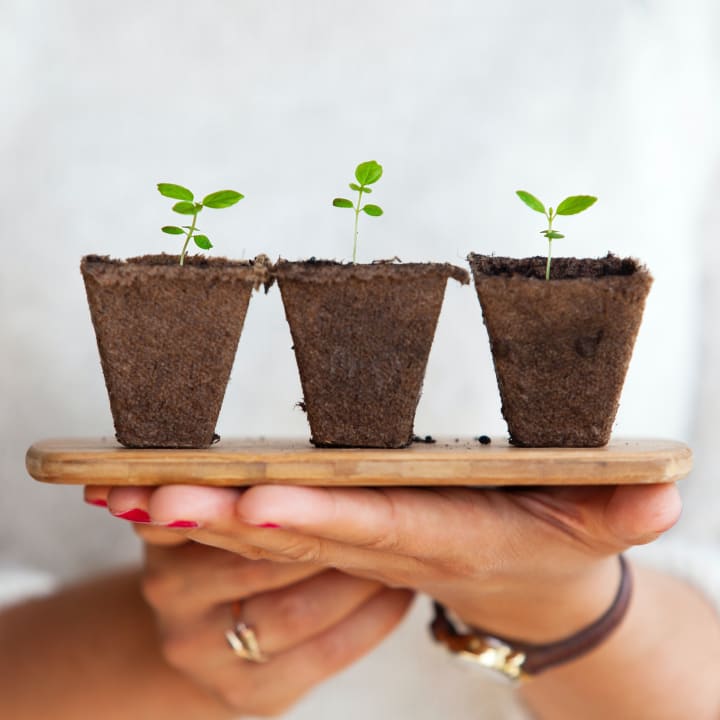
Home-grown fruits and vegetables are often fresher and more nutritious than store-bought produce. They are also free from harmful chemicals and pesticides that are often used in commercial farming.
2. Cost savings

Growing your own produce can save you money on groceries, especially during the growing season when prices are typically higher.
3. Stress relief

Gardening has been shown to be a stress-relieving activity that can help improve your mood and overall well-being.
4. Physical activity
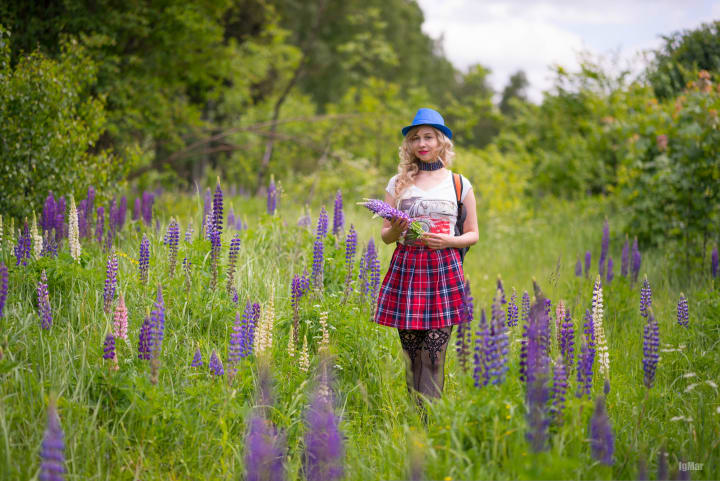
Gardening involves physical activity, which can be beneficial for your health. It can help improve your strength, flexibility, and overall fitness.
5. Environmental benefits

Home gardening can be an environmentally friendly activity that helps reduce your carbon footprint. It can also help promote biodiversity by providing a habitat for beneficial insects and animals.
6. Education
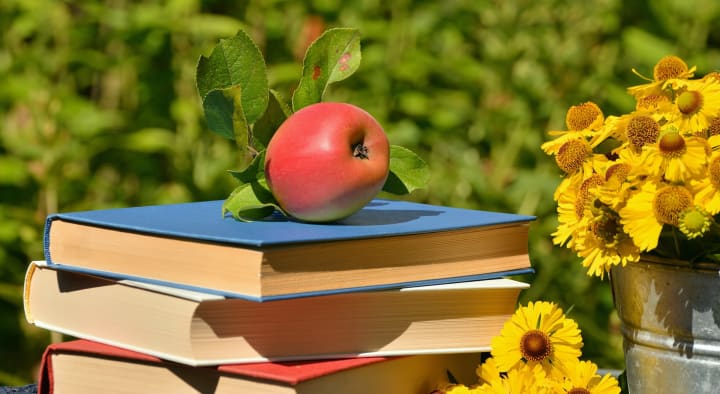
Starting a home garden can be a great way to teach children about where their food comes from and the importance of sustainable agriculture.
Overall, starting a home garden can be a fun and rewarding activity that provides many benefits for both your health and the environment. It can be a fun and rewarding activity that provides fresh produce and beautiful flowers but the big question of starting from scratch remains the same.
Guidebook for Starting a Garden from Scratch
The following guideline can help you to materialize your dream of starting a home garden.
Here are some steps to get started:
1. Choose a location
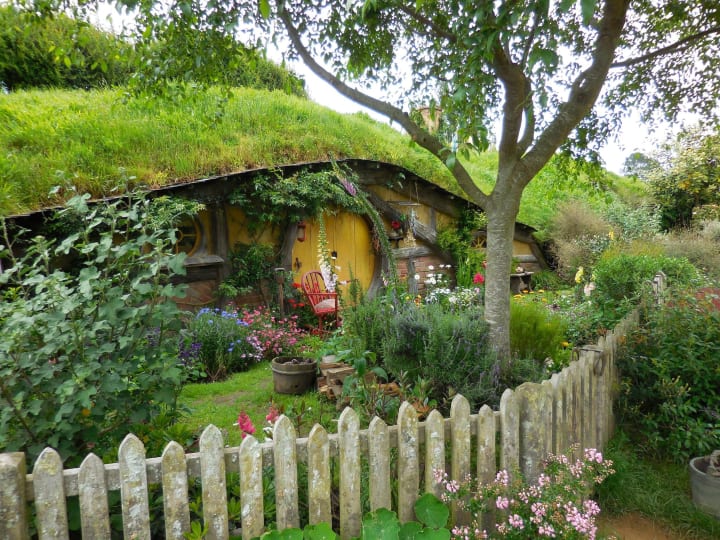
Look for a spot in your yard that gets plenty of sunlight, has good soil drainage, and is easily accessible for watering and maintenance.
2. Decide what to plant
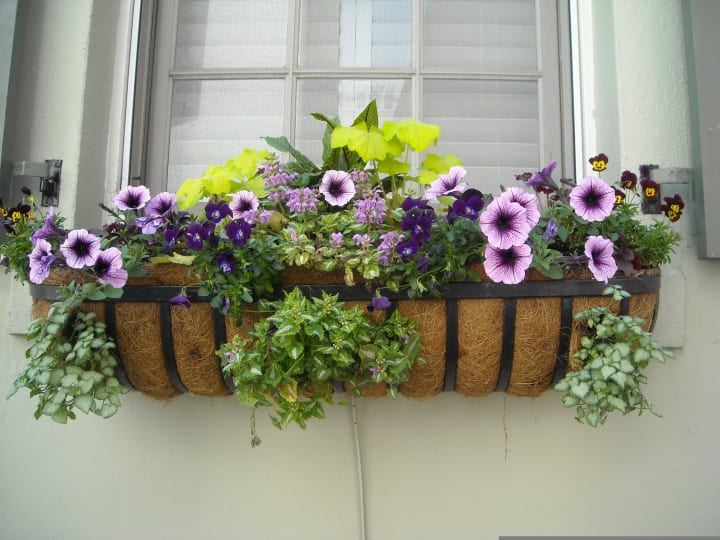
Think about what you want to grow and what will do well in your climate and soil type. Consider whether you want to grow vegetables, herbs, fruits, flowers, or a combination of these.
3. Prepare the soil
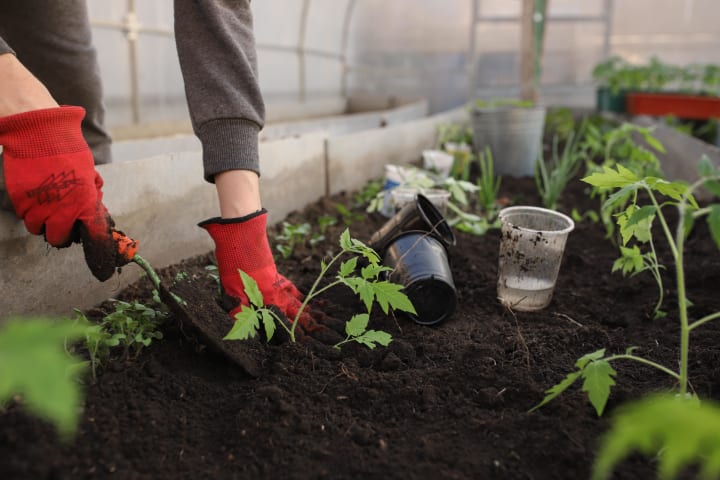
Test your soil to determine its pH level and nutrient content. You can do this with a soil testing kit or by sending a sample to a lab. Add compost or other organic matter to improve the soil's fertility.
4. Choose the right tools
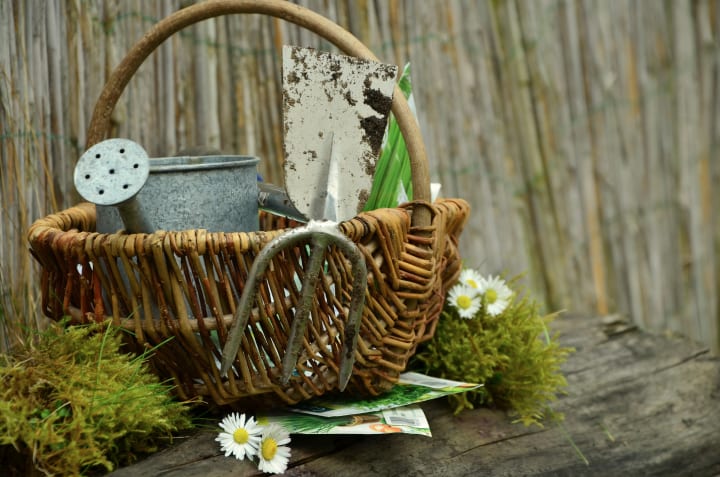
You will need basic gardening tools like a hoe, rake, shovel, and gloves. Consider purchasing a watering can or hose to make watering easier.
5. Plant your garden
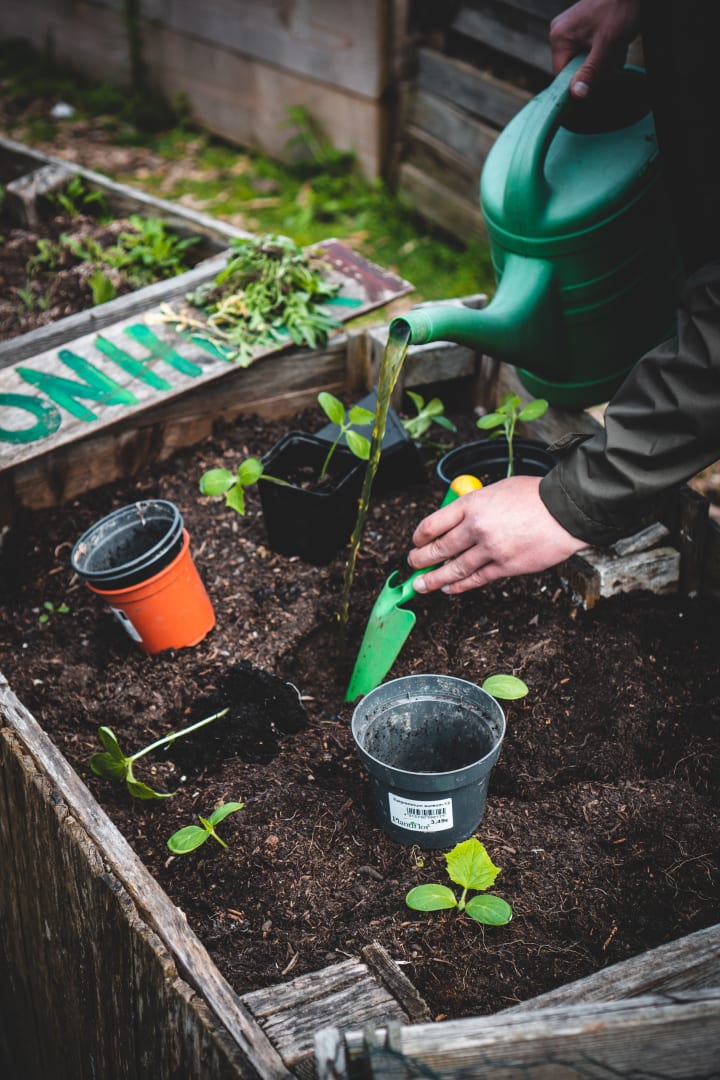
Follow the instructions on your seed packets or plant labels to determine the best time and method for planting. Make sure to space your plants appropriately and give them enough water.
6. Maintain your garden
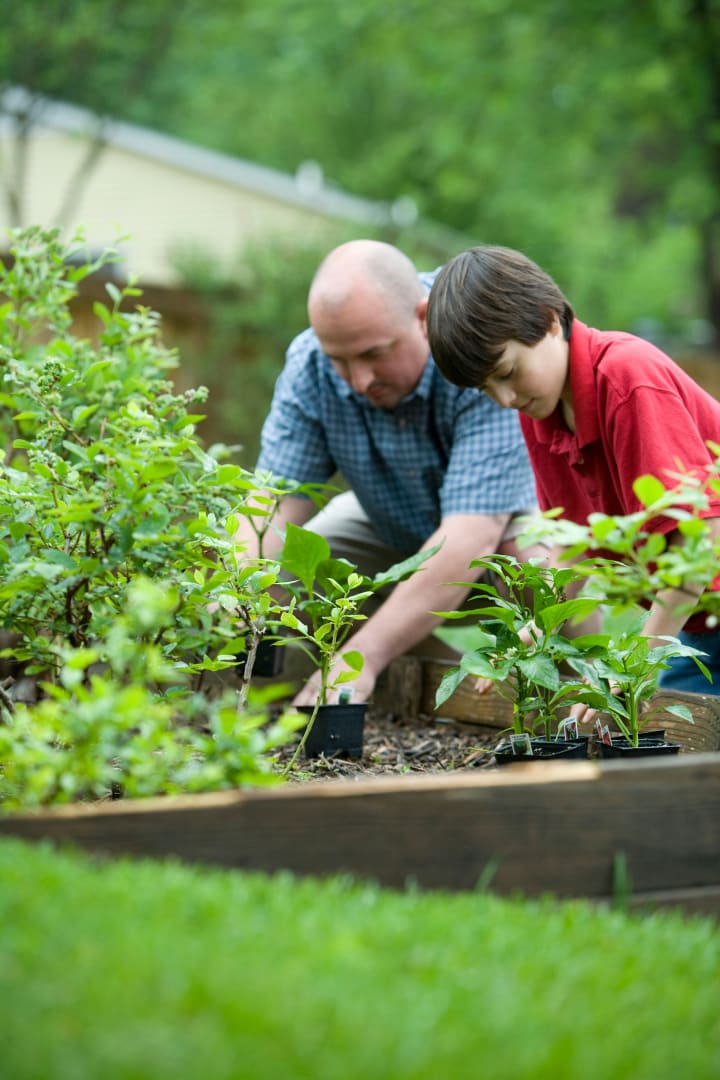
Regularly water, weed, and fertilize your garden to ensure healthy growth. Monitor your plants for pests and diseases and address any problems promptly.
7. Enjoy the harvest
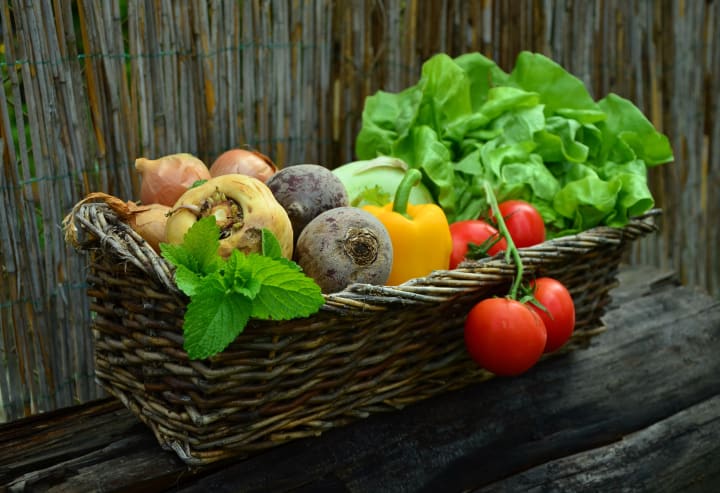
As your plants grow and produce fruit or flowers, take the time to enjoy the fruits of your labor. Harvest your crops regularly and use them in your cooking or share them with friends and family.
Remember, starting a home garden can be a learning experience, so don't be afraid to experiment and try new things. Don’t give up if you fail as success tastes sweeter after failure.
Enjoy the process and have fun!
Happy Gardening!
About the Creator
Rana Umar
I'm a blogger and content creator with a degree in English language and Literature. I specialize in political and social events. I invite readers to join me on my blogging journey to discover thought-provoking content.



Comments
There are no comments for this story
Be the first to respond and start the conversation.