
How to Spot Red Flags on Social Media During Candidate Screening
Learn how to identify red flags during social media screening for job candidates. Spot warning signs early to protect your company and hire the right people.


In today’s digital world, most people share bits and pieces of their lives online. From vacation pictures to opinions on current events, social media tells a story. For employers, it can offer extra insight during hiring. That’s where social media screening comes in.
But let’s be real—it’s not about being nosy. It’s about protecting your workplace, team culture, and reputation. The goal? To spot any red flags before they become costly mistakes. So, how do you go about it? What counts as a red flag anyway? Let’s break it down in a way that’s easy to follow.
Why Social Media Matters in Hiring

Think of a resume or cover letter as a preview. It shows the professional side of a person. But social media? That’s the behind-the-scenes footage.
Employers today use platforms like Facebook, Instagram, TikTok, and X (formerly Twitter) to get a sense of:
- Personality and behavior
- Communication style
- Professional presence
- Alignment with company values
This kind of screening helps avoid potential problems—like bad hires, culture clashes, or even PR disasters.
What’s a Red Flag in Social Media Screening?
Not every joke, meme, or opinion is a dealbreaker. But some things can raise serious concerns. A red flag is a post, photo, or pattern of behavior that could mean trouble for your team, your brand, or even your customers.
Let’s walk through the common red flags employers should look for:
1. Hate Speech or Discriminatory Comments
Posts that include racist, sexist, homophobic, or other discriminatory language are major red flags. They could signal poor judgment or a risk of toxic behavior in the workplace.
🛑 What to look for:
- Offensive jokes or slurs
- Stereotyping posts
- Negative comments targeting specific groups
2. Threats of Violence or Aggression
If someone jokes about violence or shows signs of extreme anger online, that’s something to pause on. Your team’s safety is a top priority.
🛑 What to look for:
- Violent language
- Posts threatening harm (even if said "as a joke")
- Patterns of online bullying or harassment
3. Illegal Activity
You’d be surprised how many people casually share illegal behavior online. That’s not the kind of risk you want walking into your office.
🛑 What to look for:
- Drug use
- Theft or vandalism
- Underage drinking or DUI jokes
4. Excessive Profanity or Inappropriate Content
Everyone lets loose now and then—but if a profile is full of profanity or explicit content, it may not reflect well on your business.
🛑 What to look for:
- Constant cursing or vulgarity
- Lewd images or videos
- Sexual content or jokes in poor taste
5. Bullying, Trolling, or Online Drama
People who stir up drama online often bring it to work too. Social media that shows cyberbullying, trolling, or picking fights can reveal poor conflict resolution skills.
🛑 What to look for:
- Name-calling
- Public arguments
- Shaming or mocking others
6. Lying About Qualifications or Work History
Some candidates make their lives seem better than they are. If their social media claims don’t match their resume, that’s worth noting.
🛑 What to look for:
- Job titles or education that don’t match your application
- Boasting about lying to past employers
- “Fake it till you make it” attitudes
7. Negative Talk About Past Jobs
Everyone vents sometimes, but constant bad-mouthing former bosses or coworkers is a warning sign. It shows a lack of professionalism and accountability.
🛑 What to look for:
- Complaining about past employers
- Calling out coworkers by name
- “I hated my last job” rants
8. Unprofessional Photos and Behavior
A single party photo is no big deal. But if a profile is all booze, wild nights, or reckless stunts—it could mean the person lacks boundaries or sound judgment.
🛑 What to look for:
- Drinking or drug use in every photo
- Dangerous behavior (e.g. reckless driving)
- Irresponsible public behavior
Where to Look for Red Flags
When screening a candidate’s social media, focus on public content. Here’s where to start:
- Facebook: Check posts, comments, groups, and photos.
- Instagram: Review captions, comments, stories (if available), and tagged photos.
- X (Twitter): Scan through tweets and replies. X reveals a lot about a person’s opinions and tone.
- TikTok: Look at posted videos and what they share or comment on.
👉 Always be sure your screening process respects privacy laws and non-discrimination rules in your state or country.
How to Evaluate Context
Not every edgy post is a red flag. People grow, change, and sometimes post things they regret. Here’s how to tell if something is truly concerning:
✅ Check the pattern:
Is it a one-time post from years ago—or a consistent behavior?
✅ Consider the timing:
Was it posted in high school or just last week?
✅ Look at the tone:
Sarcasm? A joke? Or serious?
✅ Compare with resume:
Does the candidate’s online presence match their professional claims?
If you're unsure, trust your gut—but don’t base decisions on just one post without looking at the full picture.
The Importance of a Social Media Screening Policy
Before diving into someone’s Instagram feed, it’s crucial to have a clear policy for your team. A good policy helps you stay fair, consistent, and compliant.
Your policy should include:
- What platforms you’ll review
- What counts as a red flag
- Who is responsible for the review
- When the screening happens (e.g. before offer, after interview)
- How findings are documented
This keeps everyone on the same page and protects your company from legal risks.
What Not to Do
It’s easy to cross the line during a social media review. Here are some don’ts to keep in mind:
🚫 Don’t demand passwords or access to private accounts
🚫 Don’t screen only certain candidates (that’s discrimination!)
🚫 Don’t judge based on race, religion, gender, or political views
🚫 Don’t make assumptions without context
Always treat candidates with respect, even if you decide they’re not the right fit.
When to Use a Social Media Screening Tool
Manual reviews are time-consuming. If you're hiring at scale, consider using a social media screening tool. These platforms can:
- Save time by scanning multiple profiles
- Spot risky content using AI
- Flag behavioral patterns automatically
- Provide reports to keep records clear and fair
One example is SocialProfiler, which offers detailed analysis of online behavior while respecting legal standards.
Red Flags: What to Do Next
So, you’ve spotted something concerning. What now?
Here are three smart steps to take:
Document It:
Take screenshots with timestamps, just in case you need to explain your decision.
Verify It:
Make sure the account really belongs to the candidate. Mistaken identity happens more than you think.
Discuss Internally:
If you're unsure, bring it to your HR team. Two heads are better than one when making hiring decisions.
Benefits of Spotting Red Flags Early
Catching warning signs before someone joins your team can save a lot of stress and money. It can also:
- Protect your team’s morale
- Maintain your company’s reputation
- Avoid costly terminations
- Reduce legal risks
- Help you hire smarter
In short—it’s a small step that makes a big difference.
Final Thoughts
Social media can reveal a lot about someone—but it’s not about being judgmental. It’s about protecting your workplace, your people, and your brand.
By learning how to spot red flags early, you can avoid bad hires, promote healthy team culture, and create a safer work environment.
And remember: people change, grow, and evolve. Be fair, consistent, and thoughtful in how you use social media screening.
About the Creator
Keep reading
More stories from juliamartins and writers in Lifehack and other communities.
Your Comprehensive Guide to the EB-5 Visa
The United States has long been a destination for individuals seeking new opportunities and a better quality of life. For foreign investors, the EB-5 Immigrant Investor Program offers a direct path to achieving this goal. This program stimulates the U.S. economy through capital investment and job creation, and in return, provides investors and their families a route to permanent residency. This guide will walk you through every aspect of the EB-5 visa, from eligibility to the application process, so you can understand if this path is right for you.
By Ahsan Qazi 6 days ago in Lifehack
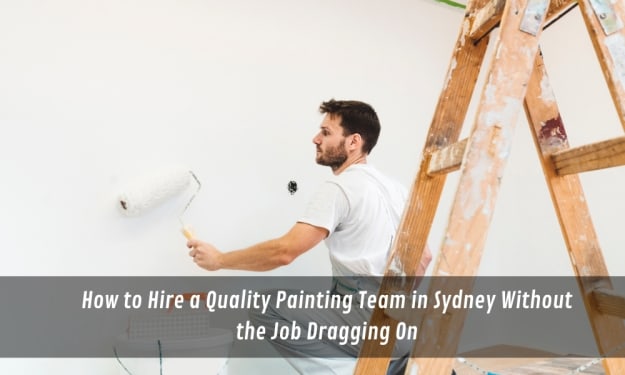
How to Hire a Quality Painting Team in Sydney Without the Job Dragging On
A repaint is meant to be a tidy upgrade: cleaner lines, brighter rooms, a place that feels looked-after again. Yet plenty of paint projects in Sydney turn into a slow-motion inconvenience—rooms half usable, dates sliding, and that lingering sense the finish isn’t quite right.
By Evelyn Hearda day ago in Lifehack
The Politics of Playing Dress-Up
Well, to start off I'd like to say a happy world book day to all who celebrate. I know I haven't really posted anything on my socials about it but I'm not a jubilant kind of person. I lay low most of the time. Let's start off with a popular anecdote from the vaults...
By Annie Kapur5 days ago in Geeks



Comments (1)
Social media screening in hiring makes sense. Hate speech and threats are obvious red flags. I've seen how such issues can disrupt a workplace.