
When To Call A Truss Engineer: Warning Signs Homeowners Shouldn’t Ignore
Notice cracks or uneven roof? Don't ignore warning signs. Contact a truss engineer for expert inspection and prevent major issues.

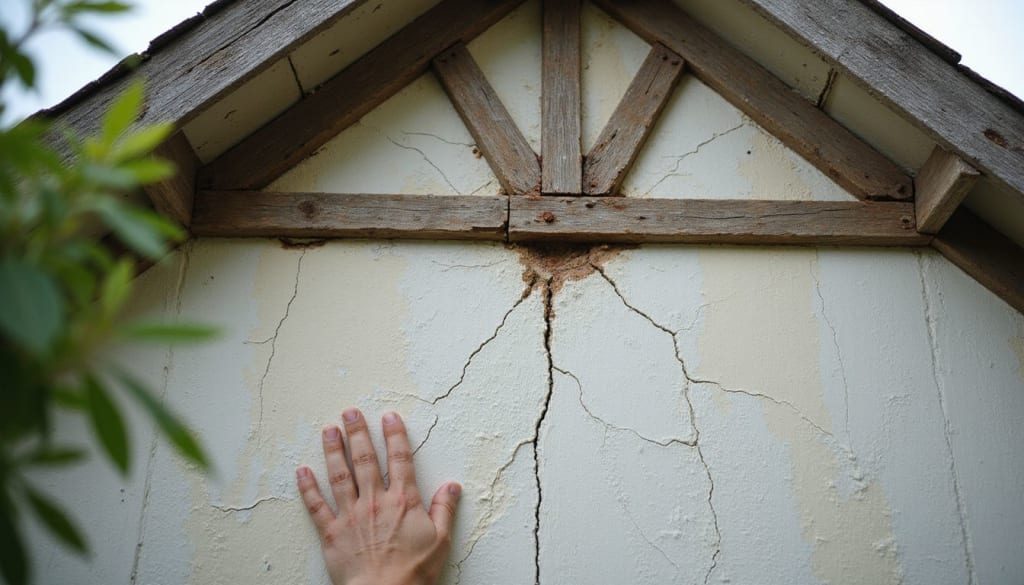
Your house, much like a good friend, sometimes needs support to stay in shape. Noticed cracks in your walls or an uneven roof? These signs could indicate serious problems.
This blog tells you when to contact a truss repair engineer. They specialize in examining roofing frames and trusses. By offering truss inspection services, they prevent small issues from becoming major ones.
So if you see damage or changes, get a truss expert involved early on. They can address these concerns before they escalate.
Role and Responsibilities of a Truss Engineer
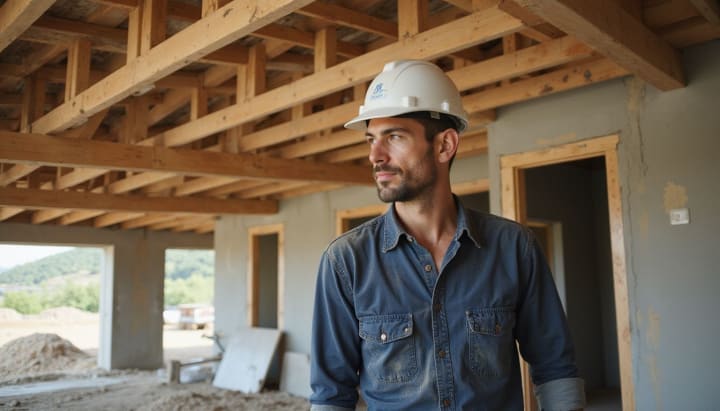
A truss engineer works on the essential part of a house, ensuring it stands firm. They create and review designs for roof and floor trusses. Their role involves doing calculations, using design software, and visiting construction sites.
They aim to keep homes from collapsing.
These engineers also examine both old and new structures. If there are signs of damage like cracks or creaks, they have the skills to identify the issue and fix it. They draft safer home designs and evaluate storm damage too, helping keep buildings secure over time.
Key Warning Signs Requiring a Truss Engineer’s Expertise
Is your home showing signs of trouble? These indicators indicate a need for a truss engineer’s expertise.
Visible Cracks in Walls or Ceilings Near Trusses
Cracks in walls or ceilings near trusses signal a problem with the building's structure. These cracks are warnings, not just cosmetic issues. Ignoring them can lead to structural instability and higher repair costs later.
Early detection of these warning signs saves stress and money.
Sagging or Uneven Rooflines
A sagging or uneven roofline signals a problem. It's not just about looks; it often shows issues with the trusses that support the roof. This can lead to water damage or moisture near the trusses if not fixed.
Spotting this problem early helps avoid bigger problems later. Contacting a truss engineer quickly is wise before the situation worsens. Ignoring a wavy roofline could result in serious damage, like an unexpected opening in your ceiling.
Creaking or Unusual Noises from the Roof Structure
Do not ignore creaking or unusual noises from the roof structure, as they can signal potential problems. Excessive creaking or cracking sounds when walking on floors may indicate underlying structural issues.
These warning signs should not be overlooked by homeowners.
Sticking doors and windows, along with noticeable vibrations or shaking of the structure, are other indicators that might require a structural engineer's attention. If you notice these signs in your home, it’s critical to consult a truss engineer promptly to assess any potential problems and ensure the safety of your property.
Excessive creaking or cracking sounds when walking on floors may indicate underlying structural issues.
Bowing or Leaning Walls Connected to Trusses
Walls that lean or bow, especially near trusses, are a red flag for structural issues in your home. It's not just an aesthetic concern; it could signal a deeper problem within the building's framework.
These signs should never be overlooked as they may indicate potential truss failure or damage that requires immediate attention from a truss engineer.
Sometimes these warning signs are easy to miss, but they often indicate serious problems. If you spot any leaning or bowing walls close to the trusses in your home, it’s time to call in a professional for a thorough inspection.
Water Damage or Moisture Near Trusses
Water damage or moisture near trusses is a serious warning sign. This moisture can weaken the timber and compromise the structural integrity of the trusses. Homeowners should look out for signs such as wetness, discoloration, or soft spots around trusses, as these could indicate leaks or condensation issues that need immediate attention from a truss engineer.
Ignoring water damage near trusses can lead to further deterioration and pose safety risks to the home and its occupants.
When water seeps into the wood of trusses, it can cause rotting and mold growth. This weakens the wood and also creates potential health hazards due to indoor air quality issues. It's crucial for homeowners to address any signs of water damage near trusses promptly, as neglecting this issue could result in costly repairs and jeopardize the stability of their home.
Consequences of Neglecting Truss Problems
Neglecting truss problems can lead to serious consequences. These include structural instability and escalating repair costs over time.
Structural Instability
Neglecting structural problems can lead to unsafe living conditions. When left unchecked, these issues escalate into serious structural instability, jeopardizing the safety of the house and its inhabitants.
Signs like sagging rooflines, creaking noises from the roof, or water damage near trusses should prompt homeowners to seek a truss engineer's expertise. Ignoring such warning signs can result in escalating repair costs over time as well as severe consequences like compromised building integrity and safety hazards for occupants.
Homeowners must not overlook these red flags and need to promptly involve a truss engineer when they notice them to prevent potential disasters.
If massive cracks are evident around doors or windows or where an extension joins the main house, homeowners should not brush them off lightly. These could be indications of deeper underlying issues that require immediate attention from a truss engineer for thorough inspection and necessary repairs.
It's vital that homeowners take swift action upon noticing any of these warning signs to address potential structural instability before it poses significant risks.
Escalating Repair Costs Over Time
Neglecting structural issues can lead to ever-increasing repair expenses. Common problems like wall cracks or sagging floors signal underlying structural troubles and avoiding them may result in costly fixes down the line.
If left unaddressed, these warning signs could lead to substantial financial burdens for homeowners. Regular inspections can help identify problems early, potentially saving significant amounts of money in future repairs.
Constantly rising repair costs due to neglected structural issues underscore the importance of timely action when dealing with potential problems in a home's structure.
Structural damages and their warning signs should not be ignored as they might lead to hefty repair bills over time. Addressing these red flags promptly through expert intervention can prevent ballooning expenses associated with extensive repairs later on.
Taking swift action upon noticing warning signs is crucial for managing and minimizing long-term repair costs linked to unresolved structural issues.
Optimal Times to Consult a Truss Engineer
When taking on major home renovations or additions, consulting a truss engineer can provide valuable insights and prevent potential structural issues down the line. Additionally, after severe weather events such as hurricanes or heavy snowstorms, seeking the expertise of a truss engineer can help ensure your roof's stability and safety.
During Major Home Renovations or Additions
When planning major home renovations or additions, it's crucial to consult a truss engineer. Their expertise ensures that the roof structure can handle any modifications without compromising its integrity.
Neglecting this step could lead to structural instability and escalating repair costs down the line. By involving a truss engineer early on, homeowners can address potential issues before they become costly problems.
This proactive approach sets the foundation for a successful renovation project and provides peace of mind knowing that the home's structural integrity remains intact during and after construction.
During major home renovations or additions, it’s essential to seek a truss engineer's expertise early on to prevent potential issues from arising later. This proactive step helps avoid structural instability and escalating repair costs down the line, ensuring the long-term stability of your home.
Following Severe Weather Events
After severe weather events, it's important to be vigilant for warning signs that may indicate structural damage in your home. Look out for visible cracks in walls or ceilings near the trusses, as well as sagging or uneven rooflines.
Any creaking or unusual noises coming from the roof structure should not be ignored. Keep an eye on any bowing or leaning walls connected to the trusses and watch out for water damage or moisture near them.
If you notice any of these warning signs after severe weather events, do not delay in consulting a truss engineer. Neglecting these issues can lead to structural instability and escalating repair costs over time if left unattended.
It is crucial to address these problems promptly to safeguard your home and minimize potential risks associated with neglected truss problems.
Conclusion
Don't ignore warning signs like cracks in walls or ceilings. These could mean trouble with your trusses. Sagging rooflines and creaking noises are red flags too. Neglecting these issues can lead to structural instability and costly repairs.
It's best to call a truss engineer during home renovations or after severe weather events. Taking it lightly now might cost you big later on!
About the Creator
Keep reading
More stories from juliamartins and writers in Lifehack and other communities.
How To Leverage Recruitment Agencies For Career Growth
Job hunting can be tough. You might send out many resumes and hear nothing back. This is a common struggle. But, there's good news. Partnering with a top recruitment agency in Dubai or seeking assistance from headhunters in the UAE can make a big difference. These agencies know about job openings that aren't posted anywhere else.
By juliamartins10 months ago in Lifehack
How Sherman Lai Integrates Natural Therapies for Whole-Body Wellness
Many people have begun searching for natural methods to enhance their general health and well-being in recent years. Holistic healthcare concentrates on balancing the overall body rather than just treating symptoms. Because they promote long-term wellbeing, natural treatments including acupuncture, herbal medicine, and lifestyle counseling are growing in popularity. Sherman Lai, a practitioner renowned for this well-rounded approach, combines many natural healing techniques to assist people in achieving whole-body wellbeing.
By Sherman Lai Guelph2 days ago in Lifehack




Comments
There are no comments for this story
Be the first to respond and start the conversation.