
How to Speed Up Metabolism After 40 Naturally
A Complete Guide
Metabolism is the process your body uses to convert food into energy. As you age, your metabolism slows down, making it harder to maintain weight and feel energetic. But don’t worry—there are natural ways to boost your metabolism after 40. In this guide, we’ll explore 10 proven strategies backed by science to help you stay fit and healthy. Whether you’re looking to lose weight, improve energy levels, or simply age gracefully, these tips will empower you to take control of your metabolic health. Aging doesn’t have to mean surrendering to fatigue or weight gain; with targeted lifestyle adjustments, you can reignite your body’s energy-producing engines. By addressing both diet and activity levels, you create a holistic approach that combats metabolic slowdown effectively.
Why Does Metabolism Slow Down After 40?
After 40, several factors contribute to a slower metabolism. Understanding these causes is crucial for reversing the trend and staying healthy as you age. Biological changes intersect with lifestyle shifts during this phase of life, creating a perfect storm for metabolic decline. However, knowledge of these factors equips you to intervene proactively.
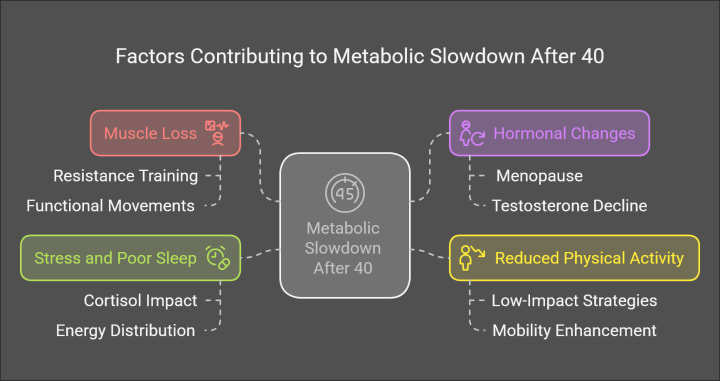
- Muscle Loss: Sarcopenia, or age-related muscle loss, reduces your resting metabolic rate (RMR). This gradual decline is often exacerbated by sedentary habits, making resistance training not just beneficial but essential. Incorporating functional movements like carrying groceries or gardening can also help preserve muscle mass in daily life.
- Hormonal Changes: Hormonal shifts play a significant role in metabolic slowdowns. For women, menopause often occurs during this time, leading to a drop in estrogen levels, which can slow metabolism. Men, on the other hand, may experience a decline in testosterone, another hormone that supports muscle maintenance and calorie burning. These hormonal fluctuations can also affect energy distribution, making it easier to store fat and harder to build muscle. Adapting your nutrition to include phytoestrogens (like flaxseeds) or zinc-rich foods (such as oysters) may help balance these shifts naturally.
- Reduced Physical Activity: As people age, they tend to become less active due to busy schedules, joint pain, or lack of motivation. This reduction in physical activity lowers overall calorie expenditure, further slowing metabolism. It’s a cyclical problem: less movement leads to stiffness, which then discourages more activity. Breaking this cycle requires gradual, low-impact strategies like swimming or yoga, which protect joints while boosting mobility. If you’re feeling persistently drained, uncovering the root cause of your fatigue could be the first step toward reclaiming your vitality—explore tailored solutions to pinpoint what’s sapping your energy.
- Stress and Poor Sleep: Chronic stress and poor sleep disrupt hormones like cortisol, leptin, and ghrelin, all of which regulate hunger and metabolism. Without adequate rest, your body struggles to function optimally, leading to weight gain and fatigue. Elevated cortisol not only triggers cravings for sugary foods but also promotes abdominal fat storage, creating a double burden for metabolic health. Struggling with daytime drowsiness despite sufficient sleep? A detailed assessment might reveal unexpected connections between your stress levels, diet, and energy reserves.
Understanding these causes is the first step toward reversing the trend. Let’s explore actionable tips for naturally speeding up your metabolism.
Natural Strategies to Boost Your Metabolism After 40
1. Prioritize Protein Intake

Protein is essential for building and maintaining lean muscle mass, which increases your RMR. Studies show that consuming a high-protein diet helps counteract age-related muscle loss. Distributing protein evenly across meals—rather than loading it at dinner—ensures a steady supply of amino acids for muscle repair. Pairing protein with vitamin C-rich foods like bell peppers can enhance collagen synthesis, supporting joint health for more effective workouts.
What to Eat: Include lean meats, eggs, plant-based proteins (like beans and lentils), and protein powders in your meals.
Why It Works: Protein has a higher thermic effect than carbs or fats, meaning your body burns more calories digesting it.
Tip: Aim for at least 20-30 grams of protein per meal to maximize benefits. Snacking on Greek yogurt or a handful of almonds between meals can help you hit daily targets without overeating.
2. Engage in Strength Training

Strength training is one of the most effective ways to build muscle and boost metabolism. Lifting weights twice a week can significantly increase your RMR. Compound movements like lunges and bench presses engage multiple muscle groups, maximizing efficiency. For beginners, bodyweight exercises such as planks or wall sits offer a safe entry point.
Exercises to Try: Squats, deadlifts, push-ups, and resistance band workouts.
Why It Works: Muscle tissue burns more calories at rest compared to fat tissue. Consistency trumps intensity here; even two 30-minute sessions weekly yield measurable improvements over time.
Find out why you’re always feeling drained with this quick quiz
3. Incorporate High-Intensity Interval Training (HIIT)

HIIT workouts are short but intense, helping you burn calories long after the workout ends. Research shows HIIT can improve metabolic health and increase calorie expenditure. The “afterburn effect” (excess post-exercise oxygen consumption) can elevate metabolism for up to 24 hours. Adjust intensity based on fitness levels—cycling or stair climbing are joint-friendly alternatives to sprinting.
Sample Routine: Sprint for 30 seconds, rest for 1 minute, and repeat for 15-20 minutes.
Why It Works: HIIT boosts your metabolism by increasing oxygen consumption post-exercise. Pairing HIIT with mindfulness practices like post-workout stretching can enhance recovery and mental clarity.
4. Stay Consistent with Physical Activity
Daily movement, even outside of structured exercise, plays a big role in speeding up metabolism. This is called Non-Exercise Activity Thermogenesis (NEAT). NEAT accounts for up to 15-30% of daily calorie burn, making it a silent ally in weight management. Simple swaps, like standing during phone calls or pacing while brainstorming, can make a difference.
How to Increase NEAT: Take the stairs, walk during breaks, or do household chores.
Why It Works: Small movements throughout the day add up to significant calorie burning. Tracking steps with a pedometer adds accountability and motivation to stay active.
5. Optimize Sleep Quality

Poor sleep disrupts hormones like leptin and ghrelin, which regulate hunger and metabolism. Deep sleep stages are critical for cellular repair and growth hormone release, both of which influence metabolic efficiency. Investing in blackout curtains or a white noise machine can create an optimal sleep environment.
Tips for Better Sleep: Stick to a consistent bedtime, avoid screens before bed, and create a relaxing bedtime routine.
Why It Works: Seven to nine hours of uninterrupted sleep supports metabolic health. Herbal teas like chamomile or valerian root can ease the transition into restful sleep without medication.
6. Eat Whole, Nutrient-Dense Foods
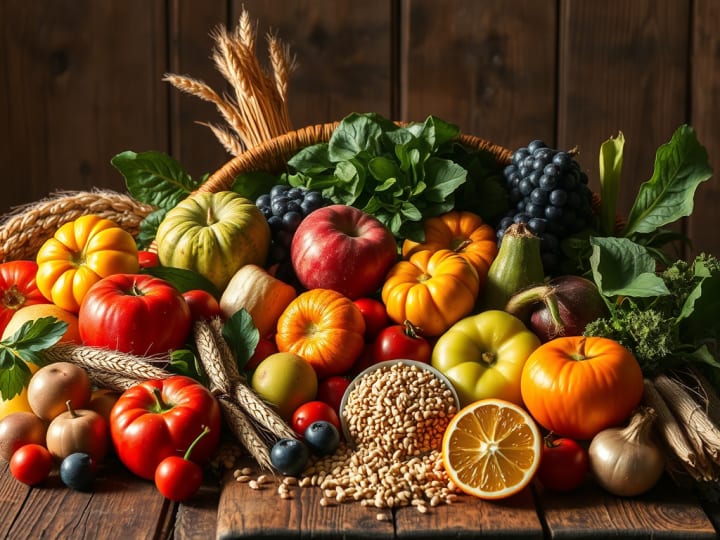
Fruits, vegetables, whole grains, and healthy fats provide essential nutrients that support metabolism. Antioxidants in colorful produce combat oxidative stress, which accelerates aging and metabolic dysfunction. Fermented foods like kimchi or kefir add probiotics to aid digestion and nutrient absorption.
What to Avoid: Processed foods, sugary snacks, and refined carbs.
Why It Works: Fiber-rich foods improve digestion and reduce inflammation, indirectly boosting metabolism. Meal prepping ensures healthy choices are always within reach, reducing reliance on convenience foods.
Constantly tired? This quiz might have the answers you need
7. Stay Hydrated

Drinking enough water supports metabolic processes and helps burn calories. Studies suggest drinking cold water can temporarily increase calorie burning. Hydration also aids lymphatic function, flushing out toxins that might hinder metabolic efficiency. Infusing water with cucumber or mint can make it more appealing for those who find plain water bland.
How Much to Drink: Aim for 2-3 liters of water daily, including herbal teas.
Why It Works: Proper hydration ensures efficient energy production and fat metabolism. Carrying a reusable bottle with time markers helps track intake and maintain consistency.
8. Add Metabolism-Boosting Foods and Drinks
Certain foods and drinks naturally enhance metabolism. Thermogenic ingredients like ginger and turmeric not only spice up meals but also stimulate internal heat production, aiding calorie burn. Experimenting with global cuisines can introduce new metabolism-friendly flavors.
Green Tea
Contains catechins that increase calorie-burning
Spicy Foods
Capsaicin in chili peppers boosts thermogenesis
Omega-3 Fatty Acids
Found in fish oil, they improve insulin sensitivity and fat-burning. Including a daily green tea matcha latte or a salmon-rich meal plan can seamlessly integrate these boosters into your routine.
Tip: Swap sugary drinks for green tea or infused water to maximize benefits. Prepping a pitcher of herbal iced tea overnight ensures you have a refreshing, metabolism-friendly beverage ready each morning.
9. Manage Stress Levels

Chronic stress leads to elevated cortisol levels, which can slow metabolism and promote fat storage. Mind-body practices like tai chi or forest bathing (shinrin-yoku) merge physical activity with stress relief, doubling the metabolic benefits. Even five minutes of guided breathing can reset cortisol levels during a hectic day.
Stress-Reduction Techniques: Practice meditation, deep breathing, or yoga.
Why It Works: Lowering stress improves hormonal balance and supports metabolic health. Scheduling “stress buffers” like midday walks or evening hobbies create predictable relief valves.
10. Avoid Crash Diets
Extreme calorie restriction slows metabolism and leads to muscle loss 10. These diets often backfire, causing rebound weight gain as the body clings to fat stores in “starvation mode.” Instead, focus on nutrient density—eating more vegetables and lean proteins—to naturally curb overeating.
What to Do Instead: Focus on balanced, portion-controlled meals.
Why It Works: Sustainable eating habits prevent metabolic damage and promote long-term success. Using smaller plates and chewing slowly enhances satiety signals, preventing accidental overconsumption.
Supplements That Support Metabolism
While whole foods should always come first, certain supplements can complement your efforts:
Green Tea Extract: Boosts calorie burning and fat oxidation.
Omega-3 Fatty Acids: Improve insulin sensitivity and reduce inflammation.
Probiotics: Support gut health, which plays a role in metabolism.
Caution: Always consult a healthcare provider before starting any supplement regimen. Blood tests can identify specific deficiencies, allowing for personalized supplement strategies.
Lifestyle Adjustments for Long-Term Success

Consistency is key when it comes to speeding up metabolism naturally. Here are some tips for long-term success:
- Set Realistic Goals: Focus on small, sustainable changes rather than quick fixes.
- Track Progress: Use a fitness tracker or journal to monitor your activity and nutrition.
- Stay Accountable: Join a fitness class or find a workout buddy for motivation. Apps that sync with friends or online communities offer virtual support for those with busy schedules.
Key Statistics and Case Studies
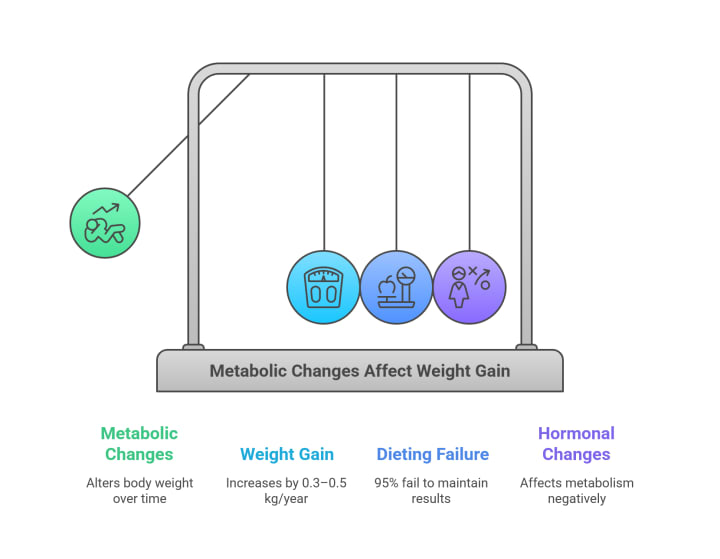
Here are some important findings from the research:
Weight Gain Trends: Between ages 40 and 66, body weight increases by 0.3–0.5 kg/year due to metabolic changes.
Energy Deficit Effects: A 40% calorie-deficient diet over 21 days led to hormonal changes affecting metabolism.
Dieting Trends: By age 40, the average woman has spent over six years dieting, yet nearly 95% fail to maintain results.
These statistics highlight the importance of adopting sustainable habits rather than relying on extreme measures. For instance, swapping rigid diets for mindful eating reduces the risk of metabolic adaptation and yo-yo weight fluctuations.
If you’re always tired, this quiz might help you understand why.
Conclusion
Speeding up your metabolism after 40 is entirely possible with the right strategies. By prioritizing protein intake, engaging in strength training, staying hydrated, and managing stress, you can naturally boost your metabolism and improve your overall health.
Remember, consistency is key—small, sustainable changes lead to lasting results. Embrace aging as an opportunity to refine your habits, listening to your body’s evolving needs. With patience and persistence, you’ll not only enhance your metabolism but also cultivate resilience for decades to come.
Start implementing these tips today and take control of your metabolism! Your journey to renewed energy and vitality begins with a single step—why not take a moment to evaluate how these strategies align with your current lifestyle?
About the Creator
Francisco Navarro
A passionate reader with a deep love for science and technology. I am captivated by the intricate mechanisms of the natural world and the endless possibilities that technological advancements offer.
Keep reading
More stories from Francisco Navarro and writers in Lifehack and other communities.
A Cowardly World: Trump’s Gaza “Riviera” and the Silence That Enables It
The Grand Vision: Ethnic Cleansing as a Real Estate Opportunity In a world where morality is measured in square footage and human lives are collateral for geopolitical deals, Donald Trump has unveiled his latest masterpiece: a plan to “clean out” Gaza, forcibly displace its 1.5 million Palestinian inhabitants, and transform the war-ravaged strip into a luxury playground for the global elite—a “Riviera of the Middle East.” Never one to shy away from combining colonial nostalgia with capitalist zeal, Trump, the self-styled “deal-maker,” has proposed relocating Palestinians to neighboring Arab nations like Jordan and Egypt, despite their vehement rejections.
By Francisco Navarroabout a year ago in Journal
Building Influence in a Remote Team
In traditional office environments, influence often developed naturally through proximity. People who spoke confidently in meetings, participated in hallway discussions, or regularly interacted with leadership often gained recognition and influence simply because they were visible.
By Bahati Mulishi2 days ago in Lifehack
How to Hire a Quality Painting Team in Sydney Without the Job Dragging On
A repaint is meant to be a tidy upgrade: cleaner lines, brighter rooms, a place that feels looked-after again. Yet plenty of paint projects in Sydney turn into a slow-motion inconvenience—rooms half usable, dates sliding, and that lingering sense the finish isn’t quite right.
By Evelyn Heard4 days ago in Lifehack
Becca
"Everything is so... flat." Denille said stupidly as she looked around her new neighborhood. She looked around at the muted desert where even the smallest sign of life seemed to have given up. The plant life was shrubs that were half cooked by the heat and where there should have been a lawn, a mess of white rocks laid glistening in the sun. Even the sky looked stretched thin, like the sun had ironed it smooth. She’d moved from Riverside, where at least there were hills, but here in Barstow, everything felt baked and brittle.
By Sara Wilson7 days ago in Fiction




Comments
There are no comments for this story
Be the first to respond and start the conversation.