
How to solve the formula of "Nutrition + Safety" for delicious soft-boiled eggs?
As spring comes to life, viruses and bacteria are on the move. Some foodies have found themselves in a new dilemma over a tasty soft-boiled egg with unknown nutrition and safety. Runny eggs have a soft, even flowing taste because they are not fully cooked, but will undercooked eggs deprive foodies of nutrients and expose them to viruses and bacteria such as bird flu?
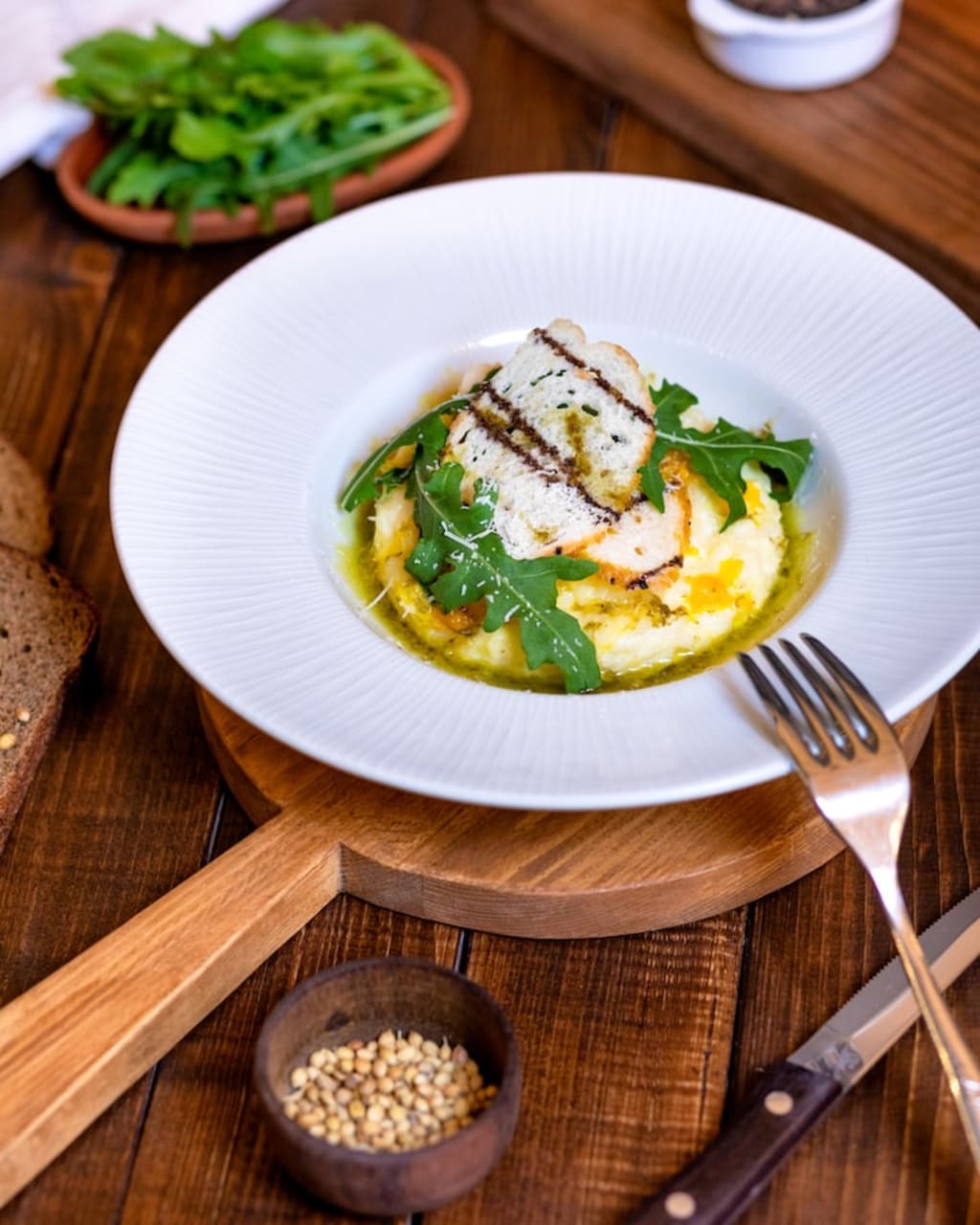
As spring comes to life, viruses and bacteria are on the move. Some foodies have found themselves in a new dilemma over a tasty soft-boiled egg with unknown nutrition and safety. Runny eggs have a soft, even flowing taste because they are not fully cooked, but will undercooked eggs deprive foodies of nutrients and expose them to viruses and bacteria such as bird flu?
Immature egg yolks do not equal high nutrition
Generally speaking, only cooked eggs can fully absorb the nutrients in them. But the key is not the yolk, it's the white. Egg whites, such as biotin-binding proteins, protease inhibitors, are the factors that hinder the digestion and absorption of eggs. The biotin-binding protein binds the egg's biotin, a B vitamin, so tightly that it can't be used by the body.
Never heard of this vitamin? That's because it's not so easy to lack. If you want to be biotin deficient, the solution is very simple: eat raw egg white every day, eat for a month to try, you will know what it is like to be biotin deficient. A word of warning, a lack of this vitamin can cause hair loss.
In addition, protease inhibitors in egg whites, such as oogoo, can prevent the body from digesting protein and making the best use of the good protein in eggs.
Fortunately, the offending proteins are found in the egg white, which is resistant to heat. After the egg white is heated and solidified, the ingredients are deactivated, allowing the egg's nutrients to be digested and absorbed by the human body.
Egg whites set slowly at 60 degrees Celsius, and when they set slowly, they have a softer texture. If heated at a higher temperature and for a longer time, the egg whites will solidify more tightly and the taste will be harder. The yolk, on the other hand, has very little to do with digestion and absorption, so in theory, an incomplete yolk should not interfere with the nutritional value of the egg as long as the white is set.
Safe runny egg ≥72 degrees
The yolk is hotter than the egg white. It takes more than 70 degrees Celsius to set slowly. Therefore, during the heating process, the egg white will set and the yolk will not set, which is a runny egg.
The main concern about runny eggs is that they are not heated enough to kill disease-causing microorganisms such as salmonella and bird flu. This is because at temperatures below 70 degrees Celsius, even though the egg whites solidify, the bacteria are not necessarily fully killed, unless time is extended. Egg shells are often contaminated with Salmonella, and during bird flu season, they can also pick up the virus.
We all know that pasteurization works by denaturing the proteins of bacteria and viruses in order to kill them. The higher the heat, the faster bacteria and viruses die. If heated below 70 degrees Celsius, salmonella can take 20 to 30 minutes to kill. If it was 100 degrees Celsius, it would die within seconds. It takes 30 minutes to kill a bird flu virus at 60 degrees Celsius, but one minute at 100 degrees Celsius.
If a runny egg is not heated to 72 degrees central (the food industry's definition of "cooked") for less than half an hour, Salmonella and bird flu can still slip through the net.
Therefore, eat runny eggs to pay extra attention to health, after the surface sterilization of eggs more assured. When boiling a whole egg, it is best to let the egg boil in boiling water for 3 minutes, then turn off the heat and stew for more than 10 minutes, so that the shell surface and the egg white part as thoroughly sterilized as possible.
Cases of unripe egg yolk poisoning = 0
However, the shell and the egg white are completely sterilized, and the yolk in the middle is not fully set, a little tender. Is there any danger? In fact, it is difficult for bacteria and viruses to enter the yolk without contamination by human manipulation.
This is because raw egg whites contain a variety of antibacterial substances, such as lysozyme and oogoo, as well as the protection of the yolk membrane, and the yolk itself does not pose a safety risk. In fact, there are few known cases of bacterial food poisoning and viral infections in people from eating whole boiled eggs with undercooked yolks.
So, as long as the shell and egg white are fully sterilized, it is enough for the yolk to be tender. At this time, there is almost no loss of nutrients in egg yolk, and cholesterol is not oxidized, which does not hinder digestion and absorption.
However, it is worth noting that in addition to eating eggs, the process of touching the shell and raw egg liquid can also be contaminated. Because eggshells are highly likely to contaminate pathogenic bacteria and viruses, so contact with egg shells should be washed immediately, do not touch utensils and food. Open the eggshell can not be placed on the chopping board, the table, to immediately throw into the trash can. The bowl containing raw eggs should be washed promptly to avoid contaminating other foods with raw egg liquid. Eggs boiled, fried as far as possible not to break the yolk film, to avoid bacterial contamination into. If possible, buy branded eggs that have been pasteurized to make them safer.
About the Creator
The Surprising Way Positive Thinking Can Change Your Life
Let me tell you the story of how I almost didn't win a car. Yup. You've heard it right. A car. But we almost didn't enter the raffles, thinking "Well, out of the thousands that applied, it's impossible to win".
By Anie Liban2 days ago in Lifehack
The Path to Salvation
The late autumn evening air filled the monk's lungs, but it wasn't the season that chilled his bones. The heavy-handed presence of evil he had sensed upon entering the woods surrounding this mountain village had not bothered to conceal itself from him.
By Made in DNA2 days ago in Fiction


Comments
There are no comments for this story
Be the first to respond and start the conversation.