
How to Safely Whiten Your Teeth Without Making Them Sensitive
A Gentle Guide to a Brighter Smile Without the Pain

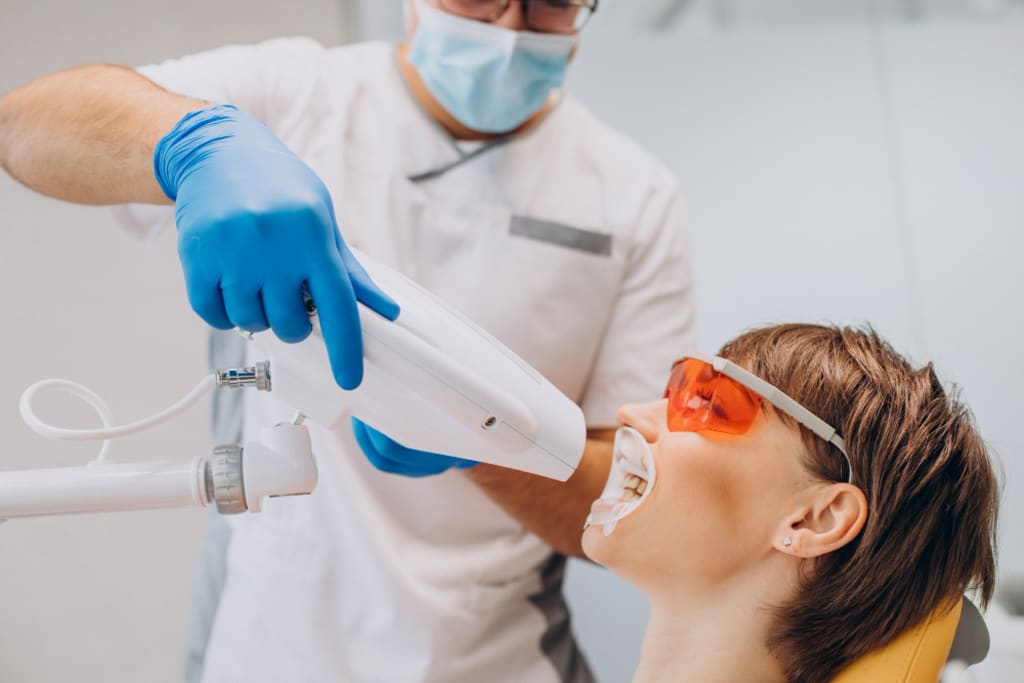
Having a white, radiant smile is often associated with health, confidence, and beauty. Whether it’s for a special event or to feel better about your appearance, teeth whitening has become one of the most popular cosmetic treatments available today.
But for many, the concern about sensitivity after whitening is a real barrier.
Is it possible to whiten your teeth safely—without triggering discomfort or pain? Absolutely. In this guide, you’ll learn how to brighten your smile effectively while keeping sensitivity at bay.
Understanding Tooth Sensitivity
Tooth sensitivity occurs when the dentin—the inner layer of your tooth—is exposed. Whitening products, particularly those that use hydrogen peroxide or carbamide peroxide, can temporarily open up the pores of your teeth, making them more susceptible to sensitivity triggers such as hot or cold food and drinks.
Sensitivity doesn’t affect everyone the same way. However, individuals who already have thin enamel, receding gums, or pre-existing dental issues may be more susceptible to discomfort during or after whitening treatments.
Tip 1: Start with a Dental Check-Up
Before starting any whitening routine, it's advisable to consult your dentist. They can check for existing conditions, such as cavities or gum recession, that might worsen with whitening agents.
Your dental practitioner will also advise you on the most appropriate whitening system to use, as well as determine whether your tooth enamel is in good condition to be whitened or not.
Tip 2: Choose Low-Peroxide Whitening Products
Not all whitening products are created equal. Over-the-counter kits and strips vary in strength. If you're concerned about sensitivity, opt for products with lower concentrations of hydrogen peroxide (typically around 6% or less).
These are less likely to irritate nerves or wear down enamel. There are even peroxide-free options that use ingredients like sodium bicarbonate or PAP (phthalimidoperoxycaproic acid), which are generally gentler on teeth and gums.
Tip 3: Avoid Overuse of Whitening Products
One of the most common mistakes people make is overusing whitening treatments. More doesn’t always mean better—and it certainly doesn’t mean safer. Excessive use can weaken enamel and increase sensitivity.
Follow product instructions carefully, and give your teeth a break between sessions. Most whitening kits recommend daily use for a limited number of days—stick to this schedule unless your dentist advises otherwise.
Tip 4: Use Sensitivity-Reducing Toothpaste Before and After Whitening
To prepare your teeth and minimise discomfort, try using desensitising toothpaste for at least two weeks before beginning your whitening treatment. The ingredients in these toothpaste include potassium nitrate or stannous fluoride, which helps stop pain messages passing between the tooth surface and the nerve.
Continue using the same toothpaste for a couple of weeks after whitening to maintain comfort.
Tip 5: Avoid Hot and Cold Foods After Whitening
Immediately after a whitening treatment, your teeth may be more porous and sensitive. Avoid consuming very hot or icy products and drinks for at least 24-48 hours.
Room-temperature water and lukewarm meals are ideal until the sensitivity subsides.
Tip 6: Professional Whitening May Be Gentler Than You Think
While over-the-counter products are accessible and often affordable, professional in-chair teeth whitening can offer better control and comfort. Dentists use advanced whitening systems that include protective barriers for your gums and desensitising gels to reduce discomfort.
Additionally, when whitening is performed under professional care, the results are consistently good, and the chances of over-whitening or achieving uneven results are minimal.
Tip 7: Maintain Your Whitening Results the Right Way
To reduce the need for frequent whitening (and lessen your exposure to potential sensitivity), maintain your bright smile with good oral hygiene habits:
- Brush with a soft-bristled toothbrush twice daily
- Floss to remove stain-causing debris between teeth
- After eating foods that cause stains, such as coffee or berries, wash your hands with water.
- Avoid tobacco and limit your intake of red wine, soda, and tea.
Additionally, consider whitening touch-up products, such as pens or trays, that use mild formulas for regular maintenance.
Final Thoughts
Whitening your teeth doesn’t have to mean enduring discomfort. With the right approach—choosing gentler products, spacing out treatments, and consulting your dentist—you can enjoy a brighter smile without sacrificing your comfort.
If you’re ready to enjoy a whiter smile with confidence, our clinic offers safe and effective teeth whitening in Belmont WA. Book your appointment today to begin a brighter, pain-free journey to a healthier smile!
About the Creator
Epsom Dental Care
Belmont WA dentist, your trusted family dentists providing advanced dentistry and same day emergency care. Call (08) 9478 2349 or visit us at 5/132 Epsom Ave, Belmont WA 6104.
Keep reading
More stories from Epsom Dental Care and writers in Lifehack and other communities.
How to Take Care of Your Tooth Following a Root Canal
Undergoing a root canal procedure is a crucial step in saving a severely infected or damaged tooth. While the treatment itself removes the infection and relieves pain, your aftercare routine plays a significant role in how well your tooth heals and how long the healing lasts.
By Epsom Dental Care7 months ago in Lifehack
7" Simple Daily Habits that can change your life
7 Simple Daily Habits That Can Change Your Life Life can often feel overwhelming. With endless responsibilities, constant notifications, and the pressure to succeed, it’s easy to lose track of what really matters. But the good news is, making small, consistent changes in your daily routine can have a huge impact on your overall well-being, happiness, and productivity. Here are seven simple daily habits that, if practiced consistently, can truly change your life. 1. Wake Up Early
By Kawtar Aithammoua day ago in Lifehack
10 Questions to Ask a Painter Before You Sign a Contract
Hiring a painter may seem straightforward, but many Australian homeowners and business owners only realise the risks after they sign a contract. Poor preparation, vague quotes, and unclear responsibilities often lead to budget overruns, delays, or substandard results.
By Anshul Vijayabout 13 hours ago in Lifehack




Comments
There are no comments for this story
Be the first to respond and start the conversation.