
How To Remove Scratches From The Smartphone Screen
Only really working and proven methods.

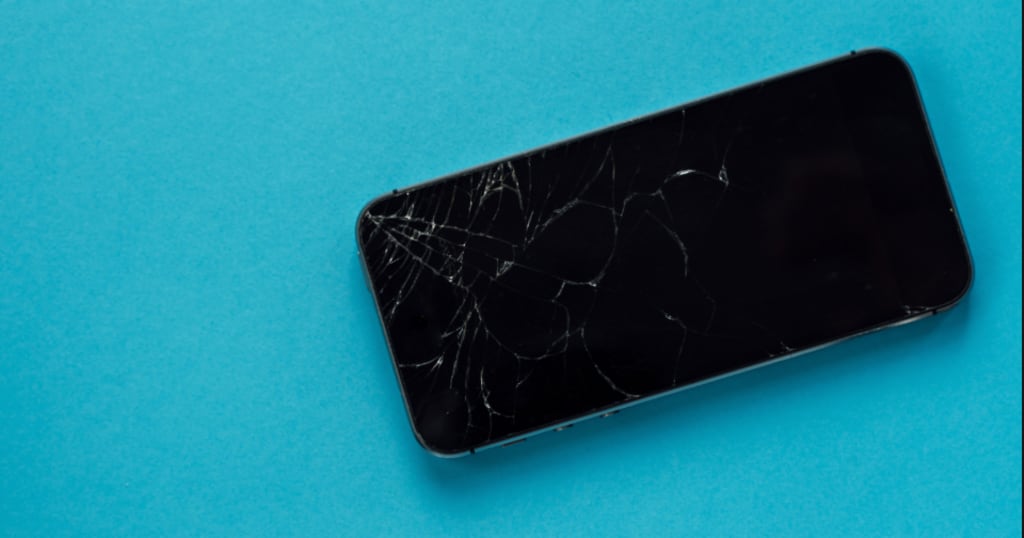
What is important to know before removing scratches from the smartphone screen
Why do we see scratches
They have sharp edges that reflect light and make the damage clearly visible. That is why small scuffs usually catch the eye on a dimmed display, and when the backlight is turned on, they are barely noticeable or not visible at all.
What scratches can be removed
It is necessary to distinguish the types of scratches. All tempered glass screens have a special oleophobic coating, thanks to which fewer fingerprints are collected on it and fingers slide better. First of all, it is it that suffers: over time, a thin layer of spraying is erased from touching with hands, rubbing against clothes.
If you see small scuffs at a certain angle and they do not cling to the nail, then most likely these are scratches not of glass, but of an oleophobic coating. Fortunately, it can be restored.
Deeper injuries that are distinguishable from any angle and are clearly felt by the fingers will probably not be able to be completely removed. But they can also be made less noticeable by polishing.
Which methods work and which don't
To get rid of a scratch, you need to fill it with something, smooth out the sharp edges or cover it from above. There are not many ways to do this. In the first case, an oleophobic compound is used, which is able to score small depressions. Smoothing is polishing with an abrasive paste. And to cover the screen to change the refraction of light and hide scratches, you can use a protective film or glass.
Toothpaste, soda, baby powder, vegetable oil and other tips that the Internet is full of do not work. And although there is a certain logic in them, the result is likely to be doubtful. Paste, soda and powder act as abrasives, and oil replaces oleophobic spraying. But what's the point of experimenting with improvised means if there are things specially designed for this?
What can be polished with
Special polishing pastes and formulations are best suited.
Another option is cerium oxide powder. This is a specialized tool that is used for polishing car windows and in the production of glass products.
Professional polishing pastes are also suitable, which are used by masters for processing paintwork in cars.
Will this spoil the display
Polishing has the greatest impact on the screen. After it, the oleophobic coating is guaranteed to be removed. Although it can be restored for a certain period of time and, if necessary, it is easy to repeat the procedure.
Polishing the sensor and display will not hurt in any way. If, of course, you are careful and do not put pressure on the gadget with all your might. This, by the way, is not necessary: such diligence will not affect the quality.
It is important to remember that if the screen protector is not made of glass, but of plastic, then it is better not to polish it or do it very carefully. The plastic is easy to overheat, it will become cloudy, and the display will be damaged.
How to remove scratches from the smartphone screen
1. Restore the oleophobic coating
As mentioned above, this option is suitable for small scratches, as well as to return the screen to usability after polishing.
- What you will need
- Oleophobic composition;
- food wrap or bag;
- alcohol;
- microfiber cloth.
How to do
Use alcohol and a microfiber cloth to thoroughly clean the screen to remove all dirt and degrease it.
Wrap your finger in plastic wrap, a bag or other non-absorbent material.
Apply a few drops of the composition to the screen and evenly distribute it with a prepared finger. Act quickly as the liquid evaporates instantly. You do not need to press and rub it into the display at the same time — just smear it on the surface.
Do not use your smartphone for 8-12 hours so that the oleophobic film freezes. Considering this, it is most convenient to carry out the procedure before going to bed.
Remove the remnants of the composition with a dry microfiber cloth, and the smartphone can be used.
2. Stick the protective glass or film
Deeper scratches can be easily hidden by sticking glass or film on the screen. The thicker the protection, the deeper scratches it masks. Even cracks will not be visible under the massive glass.
What you will need
- Protective film or glass;
- liquid for cleaning displays or alcohol;
- microfiber cloth;
- stationery tape;
- scissors;
- a plastic card or a scraper.
How to do
It is best to glue the protection in the bathroom a few minutes after taking a shower, when the dust will contact with steam and settle on the floor.
Attach the glass or film to the screen with the right side, perfectly aligning the gaps around the perimeter and cutouts of the camera, speakers and other holes.
Carefully stick two or three strips of narrow tape along the edge of the protection on one side so that it also goes to the smartphone and turns out something like a drop-down book.
"Open" the glass or film and thoroughly clean the screen from stains and grease with a cloth soaked in display cleaning fluid or alcohol. Then wipe the surface dry with another cloth.
To make sure, collect possible specks of dust from the display by gluing and peeling off a special sticker from the protection kit or, if there is none, a piece of tape.
Lift the glass or film vertically, carefully remove the bottom protective layer and quickly lower it onto the smartphone. Using a napkin or a card, disperse the air bubbles from the center to the edges and remove the fastening tape.
3. Polish the screen
If you do not want to hide scratches under protection, then polishing is the most effective option to completely remove or at least reduce scuffs.
What you will need
- Cerium oxide or polishing paste;
- soft napkins;
- masking tape.
How to do
Take a masking tape and glue the smartphone screen around the perimeter so that the polishing compound does not fall on the case. Also close the ports, speaker openings, microphones, and other slots.
Apply a small amount of the product to a napkin: rub it with GOI paste, drop a few drops of polishing paste or cerium oxide powder mixed with water to a pulp state.
Wipe the screen surface with a napkin in light circular movements without pressure for several minutes.
With a clean, slightly damp cloth, remove the remnants of the paste and evaluate the effect. If necessary, apply the composition again and perform another polishing step.
When the result suits you, clean the screen with a napkin and remove the paint tape. If desired, restore the oleophobic coating with a special composition.
About the Creator
Artur Kh.
Writer, doctor and businessman. I blog about self-development, personal growth, health and new ways of making money.
How to Find Penny Items at Dollar General
Imagine walking into Dollar General and walking out with a cart filled with items that cost you a total of less than a dollar. The lucky few who snag penny items certainly have experienced the adrenaline and happiness it creates. If you want to feel like a Queen (or king) for a day, read below to learn how you can become a DG penny-aire.
By Criminal Matters4 days ago in Lifehack
The Quarterly OKR Review: Getting the Most from Your Retrospectives
The end of an OKR cycle is not simply an administrative milestone where scores are recorded and new objectives are set. It is, or should be, the most valuable learning opportunity in the entire process. Yet many organisations rush through their quarterly reviews, treating them as a box-ticking exercise rather than the strategic conversation they deserve.
By Jane Smithh7 days ago in Lifehack




Comments
There are no comments for this story
Be the first to respond and start the conversation.