
How To Relieve Hemorrhoid Pain At Night?
How to Relieve Hemorrhoid Pain at Night: A Comprehensive Guide


Hemorrhoid pain can be a real challenge, especially when it flares up at night. After a long day, all you want is a good night’s sleep, but discomfort from hemorrhoids can keep you tossing and turning. Don’t worry there are ways to manage the pain and make those nighttime hours more bearable. In this blog, we’ll dive into some effective, human-tested strategies for soothing hemorrhoid pain at night and preventing it from ruining your sleep.
What Are Hemorrhoids and Why Do They Hurt More at Night?
Before we jump into remedies, let’s quickly go over what hemorrhoids actually are. Hemorrhoids are swollen veins in the lower rectum or around the anus, often caused by straining during bowel movements, sitting for too long, pregnancy, or even a poor diet. There are two types: internal (inside the rectum) and external (under the skin around the anus). External hemorrhoids are usually the ones that cause the most discomfort.
But why does the pain seem to get worse at night?
At night, you’re typically lying down for an extended period, which can increase pressure on the veins in your lower body. Also, the lack of movement makes it harder for blood to flow freely, causing inflammation and swelling to worsen. This is why hemorrhoid pain often feels more intense during those hours when you’re supposed to be resting.
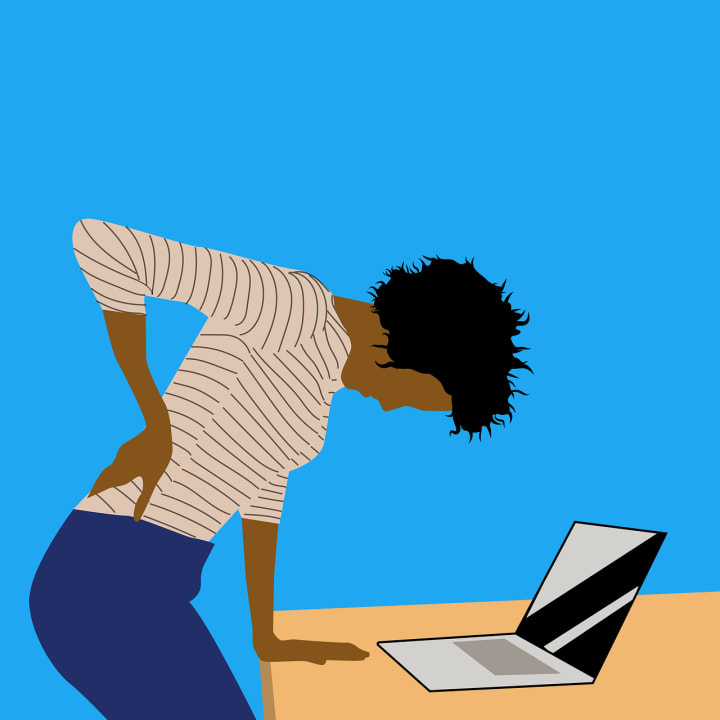
Tips to Relieve Hemorrhoid Pain at Night
Here’s the good news: there are plenty of home remedies and practical tips you can try to make nighttime hemorrhoid pain a thing of the past. Let’s explore what can bring you the most comfort.
1. Take a Warm Sitz Bath Before Bed
A sitz bath is one of the easiest and most effective ways to get immediate relief. Soaking the affected area in warm water can help reduce inflammation, improve blood circulation, and ease discomfort. It’s a great way to relax both your muscles and mind before hitting the sheets.
How to do it:
- Fill your bathtub with a few inches of warm water (not hot!).
- Sit in the water for about 15 minutes, letting the warmth do its work.
- Afterward, gently pat the area dry with a soft towel—no rough rubbing, as that can irritate the hemorrhoids further.
For an added boost, you can throw in some Epsom salt, which has anti-inflammatory properties and can make the bath even more soothing.
2. Apply a Cold Compress
If you’re feeling particularly swollen or in pain, a cold compress can bring fast relief. Cold temperatures help constrict blood vessels, reducing the swelling and numbing the pain.
How to use it:
- Wrap an ice pack or a bag of frozen peas in a soft cloth (don’t put it directly on your skin!).
- Apply the compress to the affected area for 10-15 minutes before bed.
- This simple trick can make falling asleep much easier.
Cold therapy can also be used during the day if you’re dealing with persistent discomfort, but it’s particularly helpful at night when the pain tends to peak.
3. Use Hemorrhoid Creams and Ointments
Topical treatments like over-the-counter creams and ointments are lifesavers when it comes to hemorrhoid pain. Many of these products contain ingredients like hydrocortisone, which helps reduce inflammation, or lidocaine, which works as a numbing agent.
Pro tip: Apply these creams before bedtime so they can work their magic while you sleep.
Some common OTC treatments you’ll find at any drugstore include:
- Hemorrhoid creams with hydrocortisone.
- Witch hazel pads, which have natural anti-inflammatory properties.
- Gels containing lidocaine for quick relief from itching and burning.

4. Adjust Your Sleeping Position
Your sleeping position might actually be making the pain worse. Lying on your back puts pressure on your lower body, which can aggravate hemorrhoid pain. Instead, try sleeping on your side with a pillow between your legs to relieve pressure on the affected area.
You could also try placing a pillow under your hips to elevate the area slightly. Experimenting with different positions can help you find what works best for you.
5. Wear Loose, Breathable Clothing
The clothing you wear to bed could be contributing to your discomfort. Tight underwear or pajamas can rub against sensitive areas, making things worse. Opt for loose-fitting, breathable fabrics like cotton, which allow for better air circulation and reduce friction.
Here’s what you can do:
- Stick to loose, cotton underwear.
- Wear pajamas that allow your skin to breathe and won’t cling to irritated areas.
- After your sitz bath or shower, change into clean, soft clothes to avoid further irritation.
6. Stay Hydrated and Eat Fiber-Rich Foods
You’ve probably heard it before, but staying hydrated and eating a fiber-rich diet can make a world of difference for hemorrhoid sufferers. When you’re dehydrated or don’t get enough fiber, you’re more likely to deal with constipation, which can make hemorrhoid pain even worse.
Foods to include:
- Fresh fruits like apples, pears, and berries.
- Vegetables such as spinach, broccoli, and carrots.
- Whole grains like oatmeal, brown rice, and whole wheat bread.
Drinking plenty of water throughout the day can help soften stools, making bowel movements less painful and reducing the strain on your hemorrhoids.
7. Try Over-the-Counter Pain Relievers
When you’re really struggling to get comfortable, sometimes the easiest solution is to take a pain reliever like ibuprofen or acetaminophen. These medications can help reduce both pain and inflammation, giving you the relief you need to fall asleep.
Best time to take them: About 30 minutes to an hour before bed.
Make sure to follow the dosage instructions on the package, and don’t rely solely on painkillers combine them with other methods like sitz baths or topical treatments for better results.
8. Keep the Area Clean
Good hygiene is critical for hemorrhoid management. After each bowel movement, make sure to gently clean the area with unscented wipes or moist toilet paper to avoid irritation. Harsh soaps or scented products can make things worse, so stick to mild, fragrance-free options.
9. Elevate Your Legs While You Sleep
Elevating your legs slightly while sleeping can promote better blood flow and reduce pressure on your hemorrhoids. You can achieve this by placing a pillow under your legs or adjusting your mattress to a more comfortable angle.
10. Avoid Heavy Meals Before Bed
It might sound unrelated, but what you eat before bedtime can actually affect your hemorrhoid symptoms. Heavy, spicy, or fatty meals can upset your stomach and lead to constipation or straining the next morning. Stick to lighter meals in the evening, and make sure to give yourself enough time to digest before going to bed.
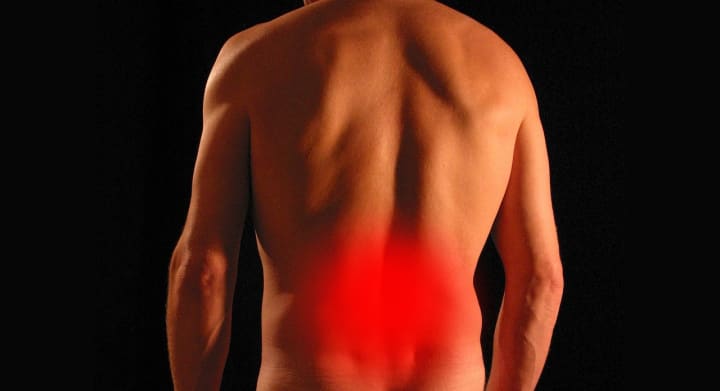
Long-Term Prevention Tips: Keeping Hemorrhoids at Bay
While finding relief for hemorrhoid pain at night is crucial, the best approach is to prevent flare-ups from happening altogether. Making some simple but effective lifestyle changes can make a world of difference when it comes to avoiding hemorrhoid issues in the future. Here’s how you can stay ahead of the game:
1. Get Moving: Stay Active for a Healthy Gut
Being active doesn’t just keep you fit it’s also great for your digestive health. When you’re moving, so is your digestive system, and that helps prevent constipation, one of the biggest causes of hemorrhoids.
- Start Small: Even a 20-minute walk around your neighborhood can do wonders for your digestion.
- Low-Impact Workouts: If you want to be easy on your body, try swimming, cycling, or yoga. They help your circulation and keep your digestive system humming without adding strain.
2. Don’t Sit Too Long: Give Your Bottom a Break
Sitting for hours on end whether it’s at your desk, on the couch, or in the car puts a lot of pressure on the veins in your rectal area, which can lead to hemorrhoids. The fix? Get up and move as much as you can.
- Stretch and Move: Set a reminder to stand, stretch, and walk around every hour. It keeps the blood flowing and reduces the pressure on your bottom.
- Use a Cushion: If you can’t avoid long hours of sitting, a soft cushion or donut pillow can provide some much-needed relief.
3. Lift Smart, Not Hard: Avoid Straining
Straining is one of the biggest culprits when it comes to hemorrhoid flare-ups. Whether you're trying to lift something heavy or pushing too hard during a bowel movement, it puts extra pressure on the veins in your lower rectum.
- Don’t Wait: If you feel the urge to go, don’t hold it in! Waiting can lead to harder stools and cause you to strain more.
- Lift Properly: If you’re doing any heavy lifting, remember to bend at your knees, not your waist. This helps you avoid adding extra strain to your hemorrhoids.
4. Eat More Fiber: Your Digestive System Will Thank You
Fiber is your best friend when it comes to preventing hemorrhoids. It helps keep your stools soft and easy to pass, which means less straining and fewer flare-ups.
- Whole Grains and Veggies: Add more fiber-rich foods like oats, brown rice, apples, pears, and leafy greens to your meals.
- Consider Supplements: If you’re not getting enough fiber from your diet, a fiber supplement like psyllium husk can help you stay regular.
5. Drink Plenty of Water: Hydration Is Key
Not drinking enough water can lead to hard stools and constipation, which increases the chances of hemorrhoid flare-ups. Staying hydrated is a simple but effective way to keep things moving smoothly.
- Aim for 8 Glasses a Day: Keep a water bottle with you and sip throughout the day to ensure you're getting enough fluids.
- Limit Caffeine and Alcohol: Both of these can dehydrate you, so try to keep your intake in check if you’re prone to hemorrhoids.
6. Treat Symptoms Early: Don’t Wait for Things to Get Worse
If you notice any early signs of hemorrhoids like itching, discomfort, or mild bleeding address the issue right away. The faster you act, the easier it will be to manage.
- Over-the-Counter Options: Hemorrhoid creams, medicated wipes, or pain-relieving ointments can provide quick relief for mild cases.
- Try Home Remedies: Warm sitz baths, cold compresses, and switching to unscented baby wipes instead of toilet paper can help soothe irritation.
7. Keep a Healthy Weight: Less Pressure Means Less Pain
Carrying extra weight, especially around your abdomen, puts more pressure on your pelvic veins, which can lead to hemorrhoids. Maintaining a healthy weight can help reduce the strain and prevent future problems.
- Eat Balanced Meals: Focus on whole foods, lean proteins, and plenty of vegetables to help manage your weight and support your digestive health.
- Exercise Regularly: Cardio activities like brisk walking or swimming, combined with strength training, are great for keeping your body in shape.
8. Choose Comfort: Loose Clothing Helps
Tight clothing, especially around the waist and hips, can trap moisture and increase friction, which can irritate your hemorrhoids. Opt for breathable fabrics and looser fits to keep things comfortable.
- Wear Cotton: Cotton underwear and looser pants are ideal for minimizing irritation and allowing your skin to breathe.
- Avoid Tight Jeans: Super tight jeans or leggings can create extra pressure and friction in areas where you don’t want it.
9. Stick to a Bathroom Routine: Regularity Is Key
Training your body to go at the same time each day can help prevent constipation and reduce the risk of hemorrhoid flare-ups. Consistency makes it easier for your body to digest food and pass stools naturally.
- Morning Routine: Many people find that going in the morning, when digestion is naturally more active, is the easiest time.
- Relax and Take Your Time: Don’t rush! But also, don’t linger too long on the toilet—this can increase pressure on your rectum.
10. Reduce Stress: A Calm Mind for a Healthy Gut
Believe it or not, stress can affect your digestive system and lead to issues like constipation, which in turn can cause or worsen hemorrhoids. Taking care of your mental health is just as important as caring for your body.
- Find Relaxation Techniques: Whether it’s deep breathing, meditation, or yoga, find ways to reduce stress and keep calm.
- Get Enough Sleep: A well-rested body recovers more easily from inflammation, which helps prevent hemorrhoid symptoms from getting worse.
Best Advice :
If you're tired of sleepless nights due to hemorrhoid pain, it's time to take control of your comfort.
This comprehensive guide on relieving hemorrhoid pain at night is packed with effective strategies and expert tips to help you find relief and get the restful sleep you deserve.
Don’t let discomfort dictate your nights any longer!
***( Click Here To Know More )***
Conclusion
Hemorrhoid pain can be a real obstacle to getting a good night’s sleep, but it doesn’t have to be. By using some of the methods outlined in this post like sitz baths, cold compresses, and dietary changes you can manage your symptoms and make your nights more comfortable. Remember, it’s all about finding what works best for you and making small adjustments to your routine that can lead to long-term relief.
FAQs
Q: Why does hemorrhoid pain get worse at night?
A: Nighttime can make hemorrhoid pain worse because you’re usually lying down for longer periods, which can increase pressure on the anal area. Reduced movement also makes blood flow less efficient, worsening swelling and discomfort.
Q: Can certain foods make hemorrhoid pain worse?
A: Yes! Spicy, fatty, and processed foods can irritate your digestive system and make hemorrhoid symptoms more uncomfortable. Stick to a fiber-rich diet to ease bowel movements and reduce strain.
Q: How can I sleep more comfortably with hemorrhoids?
A: Adjusting your sleeping position can help. Try sleeping on your side or elevating your legs with a pillow to reduce pressure on the hemorrhoids. You can also apply creams or cold compresses before bed for added relief.
Q: Are there any natural remedies for hemorrhoid pain?
A: Yes, natural remedies like aloe vera gel, coconut oil, and diluted apple cider vinegar can help reduce inflammation and soothe discomfort. Just be careful not to use anything too harsh, as that can irritate the sensitive skin around hemorrhoids.
Q: When should I see a doctor for hemorrhoid pain?
A: If the pain persists despite home treatments or if you experience heavy bleeding, it’s time to consult a doctor. Sometimes, severe hemorrhoids may require medical intervention.
Q: Can lack of sleep make hemorrhoid pain worse?
A: Absolutely! Not getting enough sleep can actually aggravate hemorrhoid discomfort. When you're not well-rested, your body doesn't recover as effectively, meaning it’s less able to reduce inflammation. Plus, fatigue and stress from poor sleep can lead to digestive issues, which may cause constipation and worsen hemorrhoids.
Q: What type of mattress helps with hemorrhoid pain?
A: A mattress that’s medium-firm is often the best bet. It gives your body the right amount of support and helps distribute your weight evenly, which can take some of the pressure off your rectal area. If your mattress is too hard, you can always add a memory foam topper for extra comfort. Memory foam mattresses also work well since they contour to your body and reduce pressure on sensitive areas.
Q: Should I avoid exercising if I have hemorrhoid pain?
A: You don’t have to skip exercise completely, but it’s wise to stick to gentler activities. Walking, swimming, or yoga are great options they keep your blood flowing and aid digestion without putting too much strain on the affected area. Just steer clear of heavy lifting or intense workouts that could put additional pressure on your hemorrhoids.
Q: How long does it take for hemorrhoids to heal?
A: It really depends on the severity of your hemorrhoids. Mild cases can clear up within a few days if you take care of them properly, but more serious cases might take a few weeks. If you have chronic or recurrent hemorrhoids, you might need to make long-term lifestyle changes to keep them at bay. And if things aren’t improving after two weeks, it’s probably time to check in with a doctor.
Q: Can sitting on hard surfaces cause hemorrhoids?
A: Yes, sitting for long periods on hard surfaces can put extra pressure on the veins in your rectum, leading to or worsening hemorrhoids. If your job or daily routine involves a lot of sitting, it’s a good idea to use a cushion or donut pillow to ease the pressure and try to take breaks to stand up and move around whenever you can.
Q: Are hemorrhoids common during pregnancy?
A: Yes, hemorrhoids are pretty common during pregnancy, and it’s usually due to the added pressure on your rectal veins from the growing baby and hormonal changes that slow down digestion. Constipation tends to be more common during pregnancy too, which doesn’t help. Eating a fiber-rich diet, staying hydrated, and using gentle remedies like sitz baths can really help manage the symptoms during this time.
Q: Can dehydration make hemorrhoid pain worse?
A: Yes, being dehydrated can lead to harder stools, which makes passing them more painful and puts added strain on your hemorrhoids. Make sure you’re drinking enough water aim for at least 8 glasses a day to keep things moving smoothly and prevent constipation.
Q: Can spicy foods make hemorrhoid symptoms worse?
A: For some people, spicy foods can irritate their digestive system, which may lead to more discomfort with hemorrhoids. While it doesn’t affect everyone the same way, it’s a good idea to pay attention to how your body reacts. If you notice more irritation after eating spicy food, it’s best to cut back and see if it helps.
Q: Is it better to use baby wipes instead of toilet paper with hemorrhoids?
A: Yes, using baby wipes or unscented moist wipes can be gentler on your skin than regular dry toilet paper. Just make sure the wipes are alcohol-free and fragrance-free to avoid irritation. When wiping, be gentle to prevent further inflammation or irritation around the hemorrhoids.
Q: Do I need surgery to treat my hemorrhoids?
A: Most hemorrhoids can be managed with home remedies, lifestyle changes, or over-the-counter treatments. However, if your hemorrhoids are severe or don’t improve with conservative methods, your doctor might suggest medical procedures like rubber band ligation, sclerotherapy, or surgery. If your symptoms don’t improve or get worse, it’s definitely worth talking to your doctor.
Q: Can hemorrhoids cause other health issues?
A: Hemorrhoids are usually more of a nuisance than a serious health problem, but if left untreated, they can lead to complications like blood clots, excessive bleeding, or infections. Chronic hemorrhoids can also interfere with daily life and overall comfort, so it’s best to address them early and manage symptoms properly.
Q: Will a warm bath every night help prevent hemorrhoid pain?
A: Regularly soaking in a warm sitz bath can definitely help relieve hemorrhoid discomfort and reduce inflammation. Soaking for 15-20 minutes before bed can make it easier to sleep by easing the pain and promoting better blood circulation in the area. While it may not completely prevent hemorrhoids, it can certainly help manage the symptoms and provide much-needed relief.
***This post may contain affiliate links, which means I may earn a commission if you make a purchase through these links at no extra cost to you.
About the Creator
coti limps
I am a writer of articles in various niches and in several languages. I have more than 4 years of experience in creating articles.
Keep reading
More stories from coti limps and writers in Lifehack and other communities.
Do Hemorrhoids Itch When They Are Healing?
Having hemorrhoids can be an unpleasant and, at times, painful experience. Hemorrhoids come with a whole range of symptoms, from discomfort to swelling and, yes, itching. One question that pops up frequently is, "Do hemorrhoids itch as they heal?"
By coti limps2 years ago in Lifehack
Self-Discipline Is the Power That Changes Everything
Self-discipline is often described as the quiet force behind every meaningful achievement. While talent and opportunity may open doors, discipline is what keeps those doors from closing. It is not a dramatic or flashy quality. Instead, it is a steady commitment to doing what must be done, even when motivation fades or distractions appear.
By Sathish Kumar about 22 hours ago in Lifehack
10 Smart Life Tips That Can Make Your Everyday Easier
Life can often feel chaotic, and small inefficiencies can add up to big stress over time. But with the right tips and ideas, you can simplify your daily routine, improve productivity, and even enjoy more free time. Here are 10 smart life tips that anyone can apply, whether at home, work, or on the go. 1. Use the 2-Minute Rule If a task takes less than two minutes to complete, do it immediately. This simple rule, inspired by productivity experts, helps you avoid cluttered to-do lists and keeps small chores from piling up. For example, responding to a quick email, washing a few dishes, or filing a document immediately prevents a backlog that could overwhelm you later. 2. Organize Your Workspace A clean and organized workspace can drastically improve focus. Keep only essentials on your desk, use cable organizers, and maintain a minimalist setup. Even small changes like labeling drawers or arranging your tools efficiently can save time every day. Adding plants or a small desk lamp can also create a calm environment, helping you stay productive longer. 3. Batch Your Tasks Grouping similar tasks together reduces the mental load of constant context switching. For instance, check emails only twice a day, or batch all errands into a single outing. Batching prevents wasted time and improves efficiency. For parents or busy professionals, batching tasks like grocery shopping or preparing meals for the week can make a huge difference. 4. Automate Routine Tasks Technology can save you hours each week. Set up automatic bill payments, calendar reminders, and recurring online orders. Apps like task managers, AI assistants, and smart home devices can streamline everyday activities. For example, automating your weekly cleaning schedule with reminders or smart lights can reduce daily stress. 5. Prioritize Your Health A sharp mind needs a healthy body. Simple habits like drinking enough water, taking short walking breaks, and doing light exercises can boost energy levels and mental clarity throughout the day. Even stretching for five minutes in the morning or practicing mindful breathing can have long-term benefits. 6. Meal Prep & Plan Ahead Planning your meals for the week saves both time and money. Batch-cook meals or prep ingredients in advance. This not only reduces last-minute stress but also encourages healthier eating habits. You can also experiment with simple, time-saving recipes like overnight oats, one-pot meals, or pre-chopped vegetable mixes. 7. Digital Declutter A cluttered phone or computer slows you down. Delete unnecessary files, organize folders, and unsubscribe from emails you don’t need. A clean digital space can improve focus and reduce distractions. Additionally, use productivity apps to track important tasks rather than relying on memory alone. 8. Practice Mindful Breaks Short breaks are essential to maintain productivity. Instead of scrolling social media, try a 5-minute meditation, deep breathing, or stretching. Mindful breaks recharge your energy more effectively and prevent burnout. Listening to calming music or taking a walk outside can also refresh your mind. 9. Keep a “Done” List Instead of only tracking tasks to do, maintain a list of completed tasks. Seeing your accomplishments boosts motivation and helps you reflect on what strategies worked best for you. Celebrate small wins, whether finishing a report or simply tidying up your room, to create a positive momentum. 10. Learn to Say No Time is precious. Avoid overcommitting by politely declining tasks or invitations that don’t align with your priorities. Setting boundaries helps protect your energy and focus for the things that truly matter. Remember, saying no to one thing is saying yes to your own goals and well-being. Final Thoughts: Smart life tips don’t have to be complicated. The small changes listed above, when applied consistently, can improve productivity, reduce stress, and make your daily routine smoother. Start with one or two tips today, gradually incorporate the rest, and soon you’ll notice your life becoming more organized, efficient, and fulfilling.
By Baseer Shaheen 2 days ago in Lifehack
Hottest in the Office
Dear Rafi, You’re very distracting to work around. For the first second I saw you the other day, I thought you were some type of executive. It took a moment to realize no, you were just the new guy, dressed up for the job he wants. Be still, my heart.
By Gabriel Shames3 days ago in Pride



Comments
There are no comments for this story
Be the first to respond and start the conversation.