
How to Rapidly Launch Your Own Brand Through Skincare Contract Manufacturing
Own Brand Through Skincare Contract Manufacturing
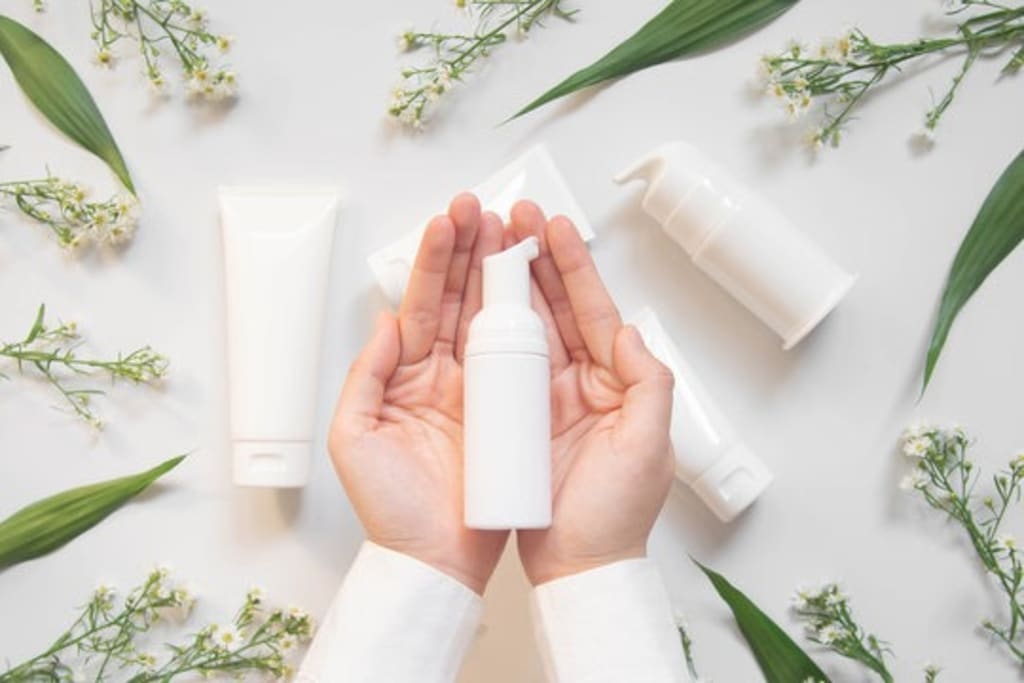
In the skincare industry, startup teams often face challenges centered around lengthy R&D cycles, high production costs, and complex regulatory compliance. Many brands discover that even with excellent concepts, without sufficient resources, market launch timelines remain delayed. At this point, partnering with an experienced skin care manufacturer often becomes a practical path to accelerate market entry.
Contract manufacturing is more than just outsourcing production—it often acts as an accelerator. Entrepreneurs can leverage manufacturers' established formulas and production lines, freeing up resources to focus on brand building, marketing, and consumer engagement rather than starting factories from scratch. Notably, many private-label skincare brands achieve rapid launches through this approach.
Leveraging Contract Manufacturing for Rapid Market Entry
Many startup brands discover that developing a skincare product from scratch involves multiple stages—formulation design, raw material sourcing, stability testing, and bulk production—which are time-consuming and costly. Skincare manufacturers typically possess extensive formulation libraries covering various functionalities like hydration, sensitivity reduction, and anti-aging. Entrepreneurs can modify existing formulas to rapidly establish their product lines.
Additionally, manufacturers bring deep expertise in packaging design, labeling standards, and regulatory compliance. Those targeting international markets proactively address requirements in regions like Europe, the Americas, Asia, and the Middle East, helping brands avoid potential risks. This support significantly streamlines the pre-launch process for startups.
Flexibility Enabled by Small-Batch Production
Minimum order quantities (MOQs) have always been a key concern for small brands. Traditional factories often require orders of tens of thousands of units, posing significant pressure on startup teams with limited capital. In practice, many manufacturers offer flexible small-batch body care OEM solutions, allowing brands to test the market with small product runs. This approach reduces inventory risks while enabling rapid collection of consumer feedback.
This model also delivers another advantage: rapid responsiveness to market trends. For instance, when a particular plant extract becomes popular, brands can leverage the existing production lines of contract manufacturers to swiftly launch new products without incurring substantial upfront investments.
Creating Differentiated Products
Many entrepreneurs worry that outsourcing will result in generic products. In practice, this concern can often be addressed through deeper collaboration. Top-tier skincare manufacturers not only provide standard formulations but also customize ingredients, fragrances, textures, and packaging designs based on brand positioning. This approach allows brands to create distinctive private-label skincare lines even under an OEM model.
It's crucial to evaluate manufacturers based on R&D capabilities, quality systems, production flexibility, and compliance certifications. Some manufacturers even engage in skincare R&D, bringing deeper expertise in ingredients and efficacy to help brands develop products suitable for sensitive skin or with enhanced functionality.
The Importance of Speed and Market Responsiveness
The beauty market moves at a rapid pace, with trends from ingredients to packaging often shifting within months. Leveraging a contract manufacturer's established formulations and production capabilities, brands can go from project initiation to market launch in just three to six months—a timeline challenging for startup teams to achieve independently.
Many brands find that focusing resources on product differentiation and marketing is often more efficient than developing everything from scratch. The expertise of contract manufacturers enables brands to respond more swiftly to market demands while minimizing trial-and-error costs.
Seamless Integration into Brand Development
Manufactured through skin care contracts, startups can achieve rapid market entry while controlling costs and mitigating risks. Skincare manufacturers not only provide production capabilities but also offer support in formulation development, packaging customization, and regulatory compliance. Small teams can leverage low minimum order quantities (MOQs), ready-made formulations, and flexible customization to swiftly build their own private-label skincare products.
In practice, many brands start with a star product—such as a basic moisturizing lotion—then gradually expand into serums, masks, and even eye creams to form a complete line. The contract manufacturing model makes these iterations easier, helping brands maintain agility and responsiveness in a fiercely competitive market.
Conclusion
Through skincare contract manufacturing, startup brands can achieve rapid market entry while controlling costs and mitigating risks. Skincare manufacturers not only provide production services but also offer support in formulation development, packaging customization, and regulatory compliance. For brands pursuing differentiation and efficiency, the contract manufacturing model is undoubtedly a shortcut to building their own branded skincare lines.
Leveraging small-batch production and flexible customization, entrepreneurs can swiftly test the market, gather feedback, and continuously refine their product portfolio—enabling brands to establish a foothold in the fiercely competitive skincare industry.
About the Creator
Keep reading
More stories from writers in Lifehack and other communities.
How To Select Expert Hospitality Advisors for A Successful Hotel Launch in Dubai
Starting a hotel project in Dubai is quite an exciting step that requires a certain level of planning smart as well as expert guidance. With strong competition, guest expectations being high, and strict regulations, choosing the right hospitality consultant to guide you through such an endeavour can shape your success. From early planning to daily operations, consultants share practical knowledge that helps turn your ideas into a working hotel. This guide shows you how to choose the right hospitality consultants in Dubai and make smart decisions that support a successful and profitable project.
By Claudia Fennel5 days ago in Lifehack
Yoga Brisbane and the Rise of Consistent Practice in a High-Pressure City
Brisbane has changed significantly over the past decade. Once seen as a slower-paced alternative to Australia’s larger capitals, the city now carries many of the same pressures found elsewhere: demanding workloads, blurred boundaries between professional and personal time, constant connectivity, and a strong expectation to keep moving forward. In this environment, wellbeing has shifted from an abstract ideal to a practical concern. For many residents, Yoga Brisbane has become less about novelty or fitness trends and more about building consistency in a city that rarely slows down.
By Rochelle Martinez5 days ago in Lifehack
🅼🅸🅳🅽🅸🅶🅷🆃 🆂🅽🅰🅲🅺🆂
"It's 10 in Tuscon! We all know what that means... It's Time for Midnight Snacks with your man, Gerald Gee! Ready to spend the night together? Me too! I'm full of snacks and can't wait to regurgitate them all back into your hungry ears. Crack a brew! Pop some corn! Anything to get ready for one hell of a show where the talk maybe cheap but the words cut deep...
By Lamar Wigginsa day ago in Fiction




Comments
There are no comments for this story
Be the first to respond and start the conversation.