
How to Plan Har Ki Dun Trek
Har Ki Dun Trek 2025 - Treks In Uttarakhand
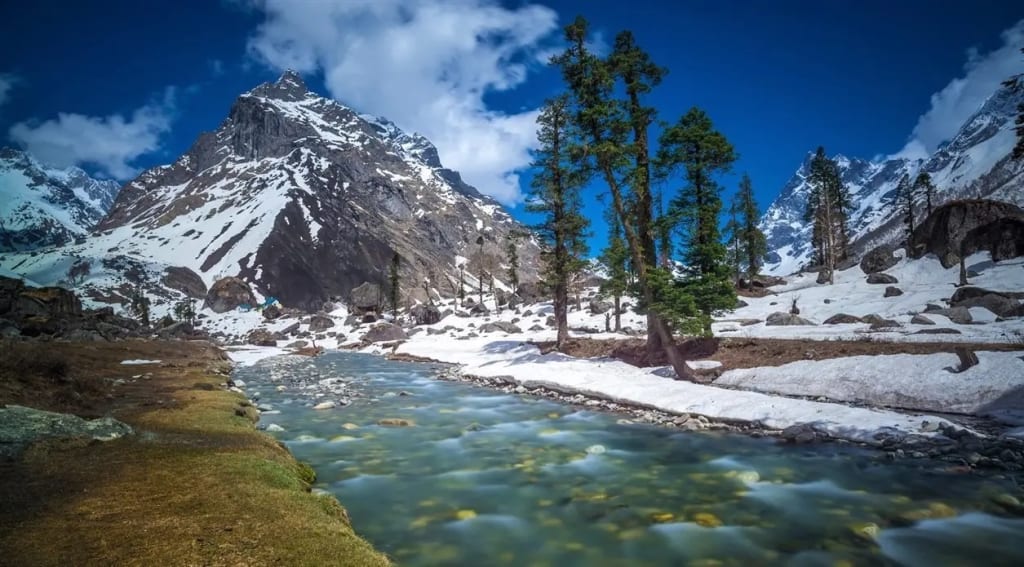
The Har Ki Dun trek, located in the Garhwal region of Uttarakhand, is one of the most scenic and culturally enriching treks in India. Known as the "Valley of Gods," this trek offers trekkers the chance to explore pristine landscapes, quaint villages, and rich biodiversity. With its perfect blend of adventure, natural beauty, and cultural immersion, Har Ki Dun is a great trek for both beginners and seasoned trekkers. If you’re planning to embark on the Har Ki Dun trek, here’s a comprehensive guide on how to plan your adventure effectively, from choosing the right time to visiting the most remarkable spots.
1. Overview of Har Ki Dun Trek
The Har Ki Dun trek is often regarded as one of the most beautiful treks in the Indian Himalayas. The trek takes you through the remote villages of Uttarkashi district, nestled at the base of the Swargarohini Peak, which is a part of the famous "Himalayan Range."
- Location: Garhwal, Uttarakhand
- Trek Duration: 6 to 7 days
- Difficulty Level: Easy to Moderate
- Altitude: 3,566 meters (11,700 feet) at Har Ki Dun
- Best Time to Trek: April to June and September to November
- Trek Distance: Approximately 47 kilometers
The trek is well-known for its scenic beauty, cultural heritage, and stunning views of the snow-clad Himalayan peaks, including Swargarohini, Bandarpoonch, and Kala Nag. Along with the picturesque views, trekkers also get to experience the lifestyle of the locals, as the trail passes through several charming villages.
2. Best Time to Plan the Har Ki Dun Trek
When planning your trek to Har Ki Dun, choosing the right time is essential for an enjoyable experience.
Summer (April to June):
- Weather: The weather during these months is quite pleasant, with daytime temperatures ranging between 10°C to 15°C and nights dropping to 5°C.
- Why Summer: During this season, the trek is surrounded by lush greenery, flowers in full bloom, and clear skies. The temperature is ideal for trekking, and snow may still be visible on the higher altitudes.
- Flora and Fauna: Summer is a great time to experience the rich flora and fauna of the region, including alpine flowers, oak, pine trees, and various wildlife species like the Himalayan Monal, bears, and leopards.
Monsoon (July to August):
- Weather: Monsoon is not considered ideal for trekking in the Har Ki Dun region due to the heavy rainfall, which can make the trail slippery and unsafe.
- Why Avoid Monsoon: The monsoon season often leads to landslides, swollen rivers, and an increased risk of trekking accidents. Additionally, the beauty of the landscape is hidden under heavy clouds, and the risk of leeches and other insects increases.
Autumn (September to November):
- Weather: The weather during the autumn months is quite favorable, with clear skies and comfortable temperatures. Daytime temperatures range from 10°C to 15°C, and nighttime temperatures can dip to 2°C to 4°C.
- Why Autumn: Autumn is the perfect time for trekking as the skies are clear, the views of the snow-covered mountains are stunning, and the landscape is still lush from the monsoon rains. The trail is not as crowded as the summer season, offering trekkers a more peaceful experience.
Winter (December to March):
- Weather: The winter season brings snowfall to the region, with temperatures dropping significantly, especially at higher altitudes. Daytime temperatures can hover around 5°C, while nights can be freezing, with temperatures dropping to -5°C or lower.
- Why Winter: If you enjoy winter treks and the beauty of snow-covered landscapes, then this could be an ideal time for you. However, the trail becomes much more difficult to navigate due to the snow, and it requires more experience with winter trekking.
3. Difficulty Level of Har Ki Dun Trek
The Har Ki Dun trek is considered easy to moderate in terms of difficulty, making it an excellent choice for beginners and moderately experienced trekkers. The trail doesn’t have extreme elevation gains or technical sections, but trekkers should still have a basic level of fitness and be prepared for moderate hikes.
The trek involves:
- Moderate Ascents: While the ascent isn’t too steep, trekkers should be prepared for steady climbs that can tire you out, especially as you get higher.
- Day Hikes: The trek includes relatively long day hikes, with distances between 5 to 8 kilometers each day. These hikes are manageable for most trekkers who have good stamina and physical conditioning.
- Altitude: Har Ki Dun reaches an altitude of 3,566 meters (11,700 feet), which is high enough to cause mild altitude sickness. However, acclimatization during the trek is generally sufficient to prevent significant issues.
4. Getting to the Har Ki Dun Base
To start the trek, you will first need to reach Sankri, the base village, from where the trek begins.
Reaching Sankri:
From Dehradun:
- By Road: Dehradun is the nearest major city to Sankri. You can take a bus or hire a private vehicle to Sankri, which is about a 10-12 hour drive (approx. 185 km).
- By Train: The nearest railway station is in Dehradun. From Dehradun, you can catch a bus or taxi to Sankri.
From Delhi:
- By Train: You can take a train from Delhi to Dehradun, which takes around 5-6 hours. From Dehradun, you can travel to Sankri by road.
- By Flight: The nearest airport is Jolly Grant Airport in Dehradun, from where you can take a taxi to Sankri.
5. Day-by-Day Itinerary for Har Ki Dun Trek
Here’s a detailed day-by-day itinerary to help you plan your trek:
Day 1: Dehradun to Sankri (1,950 meters, 185 km)
- Drive Duration: 10-12 hours
- Highlights: Scenic drive through the forested roads of Uttarakhand.
- Accommodation: Stay in guesthouses or camps in Sankri.
- Meals: Dinner and overnight rest.
After arriving at Sankri, you can explore the village and prepare for the upcoming trek.
Day 2: Sankri to Taluka (2,300 meters, 10 km)
- Trek Duration: 5-6 hours
- Distance: 10 kilometers
- Highlights: The trail gradually ascends through pine forests and the beautiful surroundings of the Govind Pashu Vihar Wildlife Sanctuary. Enjoy the views of the surrounding mountains and the tranquil environment.
- Accommodation: Camping at Taluka.
- Meals: Lunch en route and dinner at the campsite.
Taluka is a remote village, and the camp here offers a peaceful atmosphere, ideal for the start of your trek.
Day 3: Taluka to Osla (2,610 meters, 13 km)
- Trek Duration: 6-7 hours
- Distance: 13 kilometers
- Highlights: The trail winds through thick forests of oak, deodar, and pine. The scenic beauty of the surroundings is unmatched, and the sound of the river flowing nearby adds to the tranquility of the trek.
- Accommodation: Stay in Osla village, in guesthouses or camps.
- Meals: Enjoy the local food and rest.
Osla is a picturesque village with traditional wooden houses. It offers great insight into the lifestyle and culture of the region.
Day 4: Osla to Har Ki Dun (3,566 meters, 7 km)
- Trek Duration: 4-5 hours
- Distance: 7 kilometers
- Highlights: The trail gradually ascends to the Har Ki Dun Valley. As you approach the valley, you will be greeted by stunning views of Swargarohini Peak and the beautiful meadows. This day offers one of the most magnificent views of the trek.
- Accommodation: Camping at Har Ki Dun.
- Meals: Dinner and overnight rest.
Har Ki Dun is known for its scenic grandeur, with picturesque meadows surrounded by towering peaks. Take some time to enjoy the peaceful atmosphere and explore the surroundings.
Day 5: Rest Day and Exploration at Har Ki Dun
- Trek Duration: Optional exploration or a light trek.
- Highlights: This is your acclimatization day. You can explore the valley, visit the nearby village of Pushtara, or take a short trek to the Jaundhar Glacier.
- Accommodation: Camping at Har Ki Dun.
- Meals: Enjoy a relaxed day with meals and snacks by the campfire.
Rest days are important to allow your body to adjust to the altitude. Take it easy and enjoy the peacefulness of the valley.
Day 6: Har Ki Dun to Osla (7 km)
- Trek Duration: 4-5 hours
- Distance: 7 kilometers
- Highlights: Descend back through the forested trails to Osla, passing by the meadows and experiencing the beauty of the valley once again.
- Accommodation: Stay in Osla or camp.
- Meals: Enjoy a hearty meal after the trek.
Day 7: Osla to Sankri (13 km)
- Trek Duration: 6-7 hours
- Distance: 13 kilometers
- Highlights: Descend back to Sankri via the same trail. Enjoy the beauty of the forest and surroundings one last time before reaching Sankri.
- Meals: Dinner and overnight rest.
After reaching Sankri, you can catch a ride back to Dehradun.
6. Essential Packing List for Har Ki Dun Trek
To ensure you have a safe and comfortable journey, pack the following essentials:
Clothing:
- Trekking pants and shirts (breathable and moisture-wicking)
- Fleece jacket and thermal layers for the evenings
- Waterproof jacket and pants
- Warm gloves, woolen hat, and woolen socks
- Comfortable trekking shoes (preferably waterproof)
Trekking Gear:
- Sturdy trekking backpack (40-50 liters)
- Trekking poles (optional but helpful)
- Water bottles or hydration system
- Sunglasses and sunscreen
- Headlamp with extra batteries
First-Aid Kit:
- Basic medication (pain relievers, anti-inflammatory, altitude sickness tablets, etc.)
- Bandages, antiseptic cream, and blister plasters
- Personal hygiene items (toothbrush, wipes, toilet paper)
Food and Snacks:
- High-energy snacks (nuts, energy bars, dry fruits)
- Instant noodles, tea/coffee sachets, and ready-to-eat meals
- Reusable food containers
Documents:
- Identity proof (Aadhar card, passport, etc.)
- Trekking permit (if applicable)
Conclusion
The Har Ki Doon trek is an extraordinary journey that allows trekkers to explore the natural beauty of Uttarakhand, experience its vibrant culture, and challenge themselves in the serene surroundings of the Garhwal Himalayas. By planning carefully and choosing the right season, you can ensure a smooth and enjoyable trek.
About the Creator
Rawat Sikhar
Rawat is a seasoned digital marketing expert with a knack for crafting compelling campaigns and leveraging data-driven strategies to maximize online visibility and engagement.
Keep reading
More stories from Rawat Sikhar and writers in Lifehack and other communities.
Delhi Agra Jaipur Golden Triangle Tour
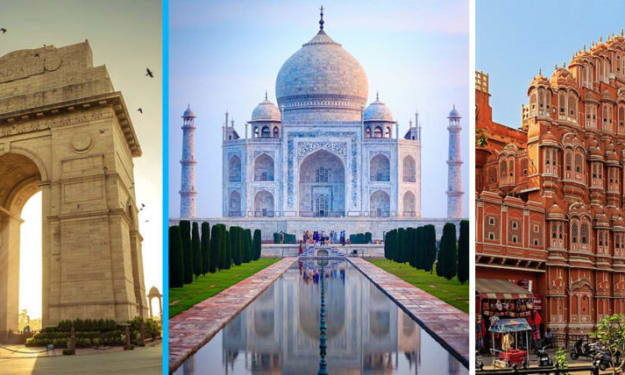
Planning a Delhi-Agra-Jaipur Golden Triangle Tour is an exciting journey through India’s rich culture, history, and architecture. The Golden Triangle covers three iconic cities—Delhi, Agra, and Jaipur—and is one of the most popular travel circuits in India. Whether you’re traveling for the first time or are an experienced traveler, careful planning will help you make the most of your trip.
By Rawat Sikharabout a year ago in Lifehack
Numerology Leads to Success
Success means different things to different people. For some, it’s financial freedom. For others, it’s fulfilling relationships, creative expression, or a sense of purpose. No matter how you define it, most of us share the same question: How do I align my efforts with what I’m truly meant to do? This is where numerology comes in.
By Anthony Bahamonde2 days ago in Lifehack
Why South Korea Data Center Market Are Quietly Driving the Digital Future
Why South Korea’s Data Center Landscape Is Getting More Attention Than Ever When people talk about South Korea’s technology strengths, they usually mention semiconductors, smartphones, high-speed internet, and innovation. What often goes unnoticed is the invisible infrastructure that makes all of this possible — data centers.
By Kim Soo hyunabout 4 hours ago in Lifehack



Comments
There are no comments for this story
Be the first to respond and start the conversation.