
How to Make a Tablecloth - Part 1
An introduction to a 3 part series of articles linked to creating different types of table cloths. In this article we will be explaining how to measure the dimensions of the fabric and using it to make an oil-cloth tablecloth with a bound edge.

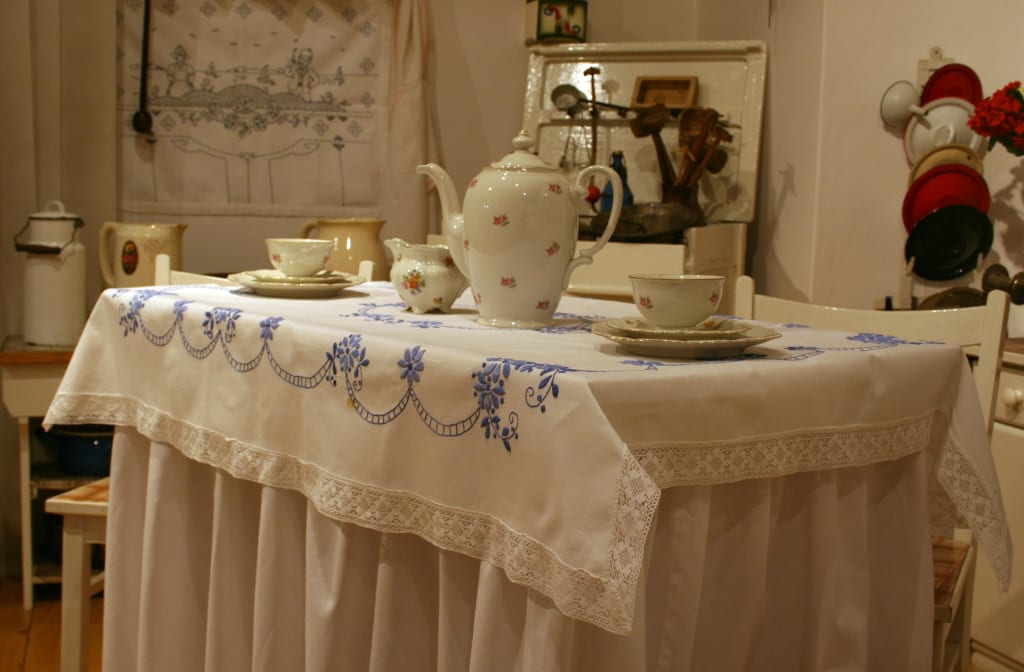

(Please ignore the bad lighting/editing or white cut-offs done on the images in this article, as the images were taken from a very old and classical book from my library)
(Links to certain terms and methods are highlighted in a different colour. Click the link and it will take you the article accordingly)
Tablecloths
The fabric used for tablecloths should be durable and easy to clean. Your choice of the shape and style of a tablecloth should depend on its use.
Full-length tablecloths function well as coverings for display tables, while kitchen or dining tables should have coverings that drop no further than the seat level of surrounding chairs.
Calculate the amount of fabric required, based on accurate measurements of the table. For large tables, avoid making fabric joins that will be visible on the top of the tablecloth by placing a full width of fabric at the center, and adding extra widths at the sides. Join width with flat fell seams.
Beautiful Table Cloth Examples


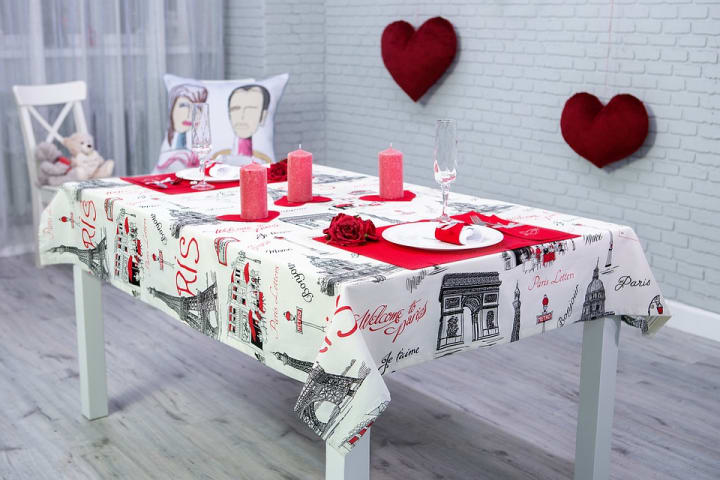
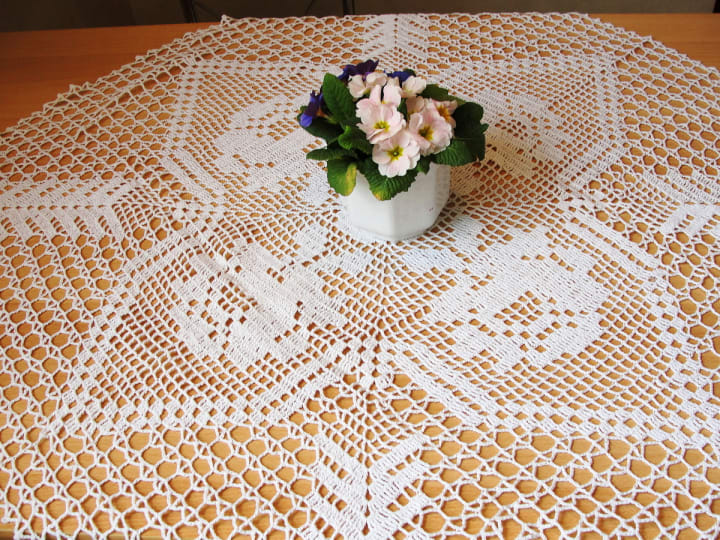
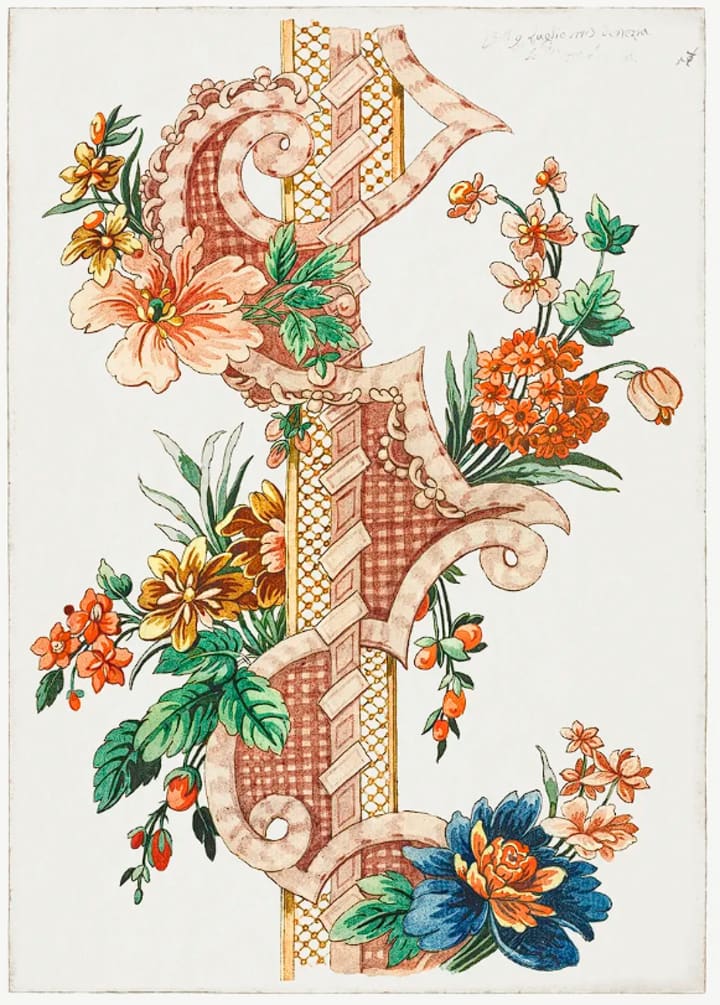
Decorative Table Cloth Designs

Measuring Up
For all shapes of tablecloth, you will need to know the dimensions of the tabletop and the required drop before cutting out the fabric.
You will have to determine the required drop for a tablecloth that will cover a kitchen or dining table. Measure from the edge of the tabletop to the seat level of a surrounding chair.
Find the dimensions for a full-length decorative tablecloth that will be used on a small display table, you can do that by measuring from the edge of the tabletop to the floor.
To measure up and cut out a circular tablecloth for a round top, follow the instructions in steps 1-3 below.
Safety Notice
As there are people out there who are just beginning on their journey of complete home furnishing. I would advise taking great care when it comes to dealing with sharp knives, scissors and especially pins.
Round and Oval Table

Square cloth for a round table
Measure the table's diameter (A - B), and add twice the drop (E - F), plus a 2.5 cm (1 in) hem allowance. This will be the measurement for both sides of the cloth.
Rectangular cloth for a oval table
Measure the table's length, and add twice the drop, plus a 2.5 cm (1 in) hem allowance. Measure up in the same way along the width.
Oval cloth for a oval table
Pin a paper template of the tabletop to fabric, and add drop on (E - F), plus a 2.5 cm (1 in) hem allowance.
Square and Rectangular Table

Square cloth for a square table or a rectangular cloth for a rectangular table
Measure the table top width (C - D), and add twice the required drop (E - F), plus a 2.5 cm (1 in) hem allowance. Measure the table top length (A - B), and add twice the required drop (E - F), plus a 2.5 cm (1 in) hem allowance.
Cutting Out a Circular Tablecloth
A circular tablecloth will need to have an equal drop all around. Make an arc-shaped template and use this as a guide to cutting out the fabric to the correct shape. For this technique, you will need a marker, a length of string, and the basic sewing kit.
Make a compass by knotting one end of the string around a drawing pin and tying the other end to the marker. You will need to adjust the distance of the string depending on the radius of the tablecloth.
Safety Notice
Where silicon padded gloves if necessary and make sure you use a pin cushion for all your collection of pins. Stay away from the fireplace in your house, as the majority of the fabrics are highly flammable.
1. Folding Fabric: Cut out a fabric square so that each side is equal to the diameter of the tablecloth. This length is twice the drop, plus the table's diameter. Fold the fabric right sides together into quarters.

2. Marking Pattern: Cut a square pattern to the size of the folded fabric. Pin the simple compass at one corner of the pattern. Draw an arc across the paper. Cut out the pattern along the marked line.

3. Cutting Fabric: Pin the pattern corner to the top of the folded fabric corner Trace arc across folded fabric. Cut fabric along arc. If a hem is required, add necessary allowance to the arc before cutting out the fabric.

Oil-Cloth Tablecloth with Bound Edge
When you wish to make a tablecloth for everyday use, you will need to select a fabric that is not only robust, but also easy to keep clean. Cotton fabric is simple to wash but can become stained.
A PVC-coated fabric or an oil cloth, wipes down easily and is very stain resistant. For this technique, you will need the oil-cloth fabric and the basic sewing kit.

1. Joining Widths: Firstly measure the table and calculate the dimension of the fabric you will need (this has been explained above). Join fabric widths with flat fell seams
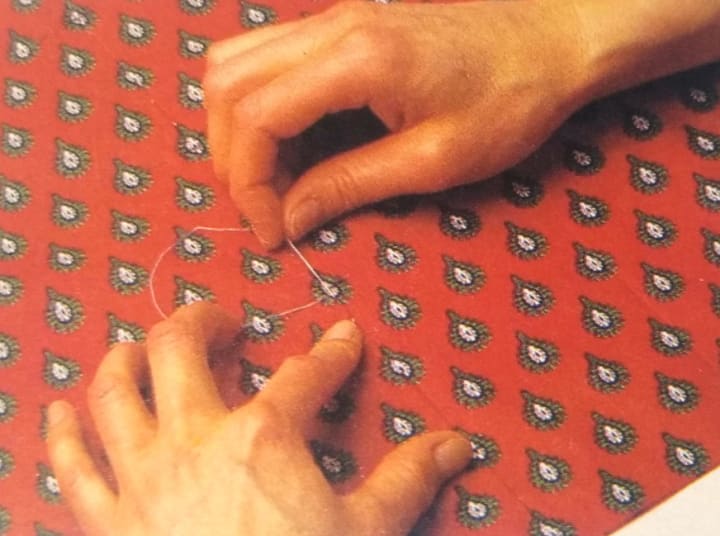
2. Sewing Widths: Fold the fabric widths right sides together. Pin, tack, and sew along the join 1.5 cm (5/8 in) from the raw edge of each fabric width. Trim one seam allowance to 6 mm (1/4 in). Repeat this, if necessary, for any other joins.

3. Finishing Seam: Fold the wider seam allowance over the shorter one. Press the fold flat. Pin and tack near the raw edge of the wider seam. Turn the fabric right side up and machine sew along the tacked line. Press the seam flat.
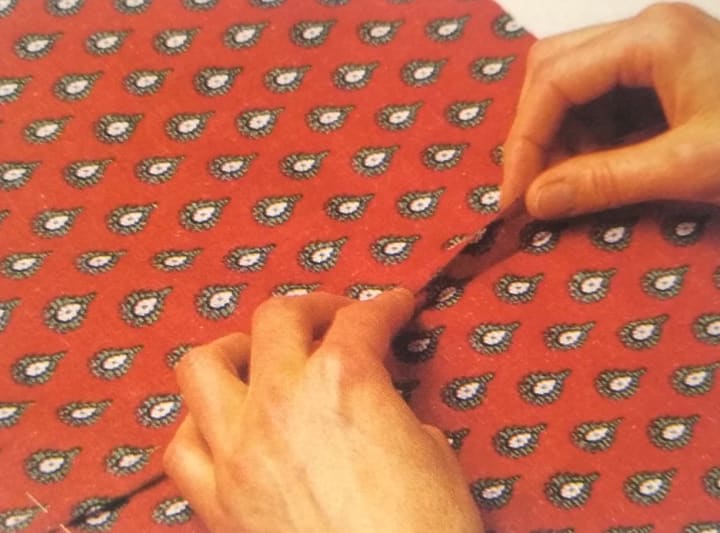
4. Making Binding: Make a bias strip to the length of the tablecloth's parameter by twice the desired edging width, plus 2 cm (3/4 in) for folds. Fold and press the long edges by 1 cm (3/8 in) to the right side.

5. Attaching Binding Strip: Open out the binding strip. Place the right side of the binding strip and the right side of the tablecloth fabric together, matching the raw edges. Pin, tack, and sew along the fold line of the binding strip.

6. Folding Corners: At the corners, pinch the binding strip and continue sewing up to, but not over, the fold. Turn the fabric and continue stitching the binding strip to the fabric.

7. Mitring Binding: Mitre the binding at the corners. Turn the binding over the raw edge of the fabric, and pin, tack, and sew its folded edge to secure it to the wrong side of the fabric. Press the finished tablecloth.


About the Creator
Temoor Dar
💡Topic: Entrepreneur and Writer💡
♟️Hobbies: Traveling, Poems, Playing Chess and Solving Puzzles♟️
🎂Born: July 7, 1991🎂
📍Born in Stockholm, Sweden, and now a Londoner since 1996📍
📚Lifelong Learner📚
🌟Wisdom from Mentors🌟
Keep reading
More stories from Temoor Dar and writers in Lifehack and other communities.
What Your Grandmother Knew about Gold that Wall Street Forgot
My grandmother kept her gold bangles in a faded velvet pouch at the back of her wardrobe. Not in a safe, not in a bank vault, just tucked between old shawls and photographs. When I asked her once why she bothered keeping them, she looked at me like I'd asked why the sky was blue.
By Marcus Briggsa day ago in Lifehack
Top 9 Wearable App Development Companies in the US
In today’s digital age, wearable technology has reshaped how users interact with digital experiences on the go. From fitness trackers and smartwatches to AR glasses and healthcare monitors, wearable devices depend on robust, intuitive apps to deliver real-time insights and seamless connectivity. Choosing the right development partner ensures your wearable application not only meets technical requirements but also excels in user experience, reliability, and future scalability. Below is a curated list of the top 10 wearable app development companies in the United States that are leading innovation in this niche space.
By Steve Waugh3 days ago in Lifehack



Comments
There are no comments for this story
Be the first to respond and start the conversation.