
How to Lower Cholesterol with Diet
What foods should you avoid if you have high cholesterol?

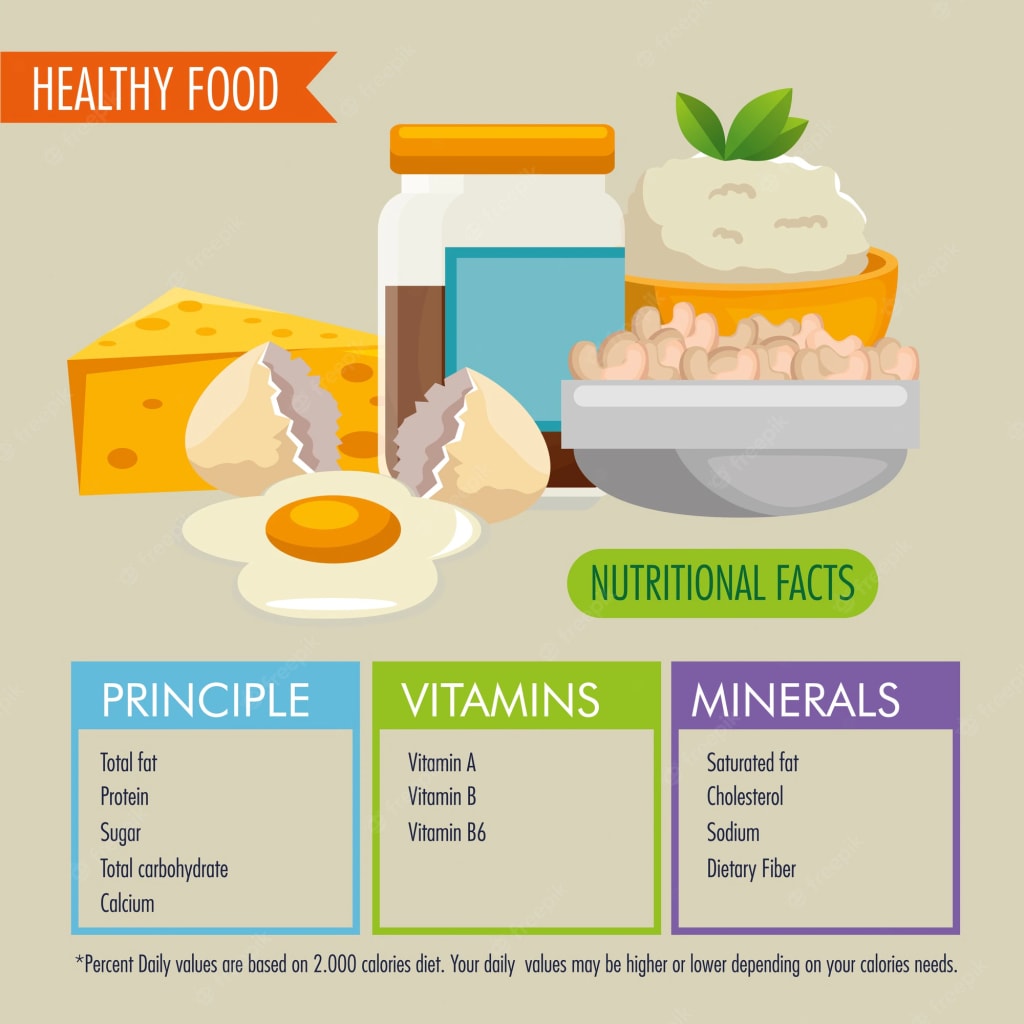
When you hear the word “diet,” it probably conjures up images of restrictive plans that leave you starving and tired. But that’s not what a diet is intended to do.
Instead, most diets are simply guidelines for eating in a healthier way. A diet replaces your old habits with new routines and helps you cut back on bad foods and increase your intake of good ones.
The result? Your body flushes out built-up toxins and unhealthy fats so your cells can begin functioning normally again and rebuilding healthy, lean tissue instead of storing it.
Even though diets seem restrictive at first, they usually end up helping you lose weight and lowering your cholesterol.
In this article, we’ll explain how a healthy diet can help you do both without restricting your food too much or depriving yourself unnecessarily.
Take a Step Back to Track What’s Working
When someone takes a diet for a spin, there’s an innate tendency to make drastic changes in your diet based on how you feel. If you’re eating a lot of sugar, you might feel sluggish on a sugar-free diet.
Instead of changing your diet to suit your mood, you should instead track your diet and make small adjustments.
That way you’re more likely to succeed. Keeping a food journal and weighing out servings can also help you track your progress, which can be motivating.
Eat More Omega-3 Fatty Acids
Omega-3 fatty acids, commonly found in fish, are essential to good health. They’re especially important for lowering cholesterol and keeping artery walls healthy.
You can get omega-3 fatty acids from fish, walnuts, canola oil, and other plants. However, fatty fish, like salmon, tuna, and sardines, are the best sources because they contain the highest concentrations of omega-3 fatty acids.
You can also get omega-3 fatty acids from flaxseed, chia seeds, and hemp seeds. However, these sources don’t have the same concentration as fatty fish. As a result, you could find that you’re not getting the same benefits from these foods.
Limit Your Fat Intake
Like cholesterol, fats are essential for life, but it’s important to choose the right kinds and eat them in moderation. Good fats, like monounsaturated fats, polyunsaturated fats, and omega-3s, can provide important nutrients and help reduce inflammation.
However, excess fats are also bad for you and have been found to build up in the arteries and lead to heart disease. The key is to choose healthful fats like nuts, olive oil, and fish and limit your intake of unhealthy fats like vegetable oil, saturated fats, and red meat.
The ideal fat intake for a healthy diet is around 30% of your calories. However, for most people, this comes in around 10-30% of total calories from fat, depending on their overall diet.
Furthermore, while unsaturated fats like olive oil and fish oil can be beneficial, the saturation and amount of omega-3s varies greatly in different types of fats.
Get Enough Fiber
Fruits, vegetables, and fiber-rich foods, like oatmeal, all provide us with important nutrients and vitamins, but they also have another benefit: they help reduce cholesterol by flushing out excess cholesterol and toxins that are built up in the body after eating unhealthy foods.
The recommended daily fiber intake ranges from 25 – 38 grams for men and 21 – 31 grams for women. Fiber is found in foods like fruits, vegetables, and wholegrains like oats, barley and wheat.
It’s important to note that the type of fiber you consume can impact cholesterol. For example, oats provide beta-glucan fiber, which can help lower cholesterol because this type of fiber binds to bile acids. However, psyllium fiber, which is found in many foods like breads and other baked goods, can increase cholesterol because this fiber absorbs water and can make your urine more concentrated, so it’s harder to eliminate.
Keep an Eye Out for Hidden Toxins
While eating right can help bring down your cholesterol, the quality of your food can have a huge impact on your cholesterol numbers, too. That’s because many toxins build up in the body after we eat bad foods, especially when you don’t get enough fiber.
This can lead to high cholesterol and boost your risk of heart disease. Hidden toxins include trans fats, which are present in many processed foods and fried foods, and sodium, which is added to many processed foods and found in many restaurant foods.
Trans fats are created when liquid oils are solidified by adding hydrogen. Unfortunately, these fats are not good for you.
They cause your arteries to become narrow and hard, increasing your risk of heart disease. Eating foods that contain trans fats will not only increase your cholesterol levels, but also increase your risk of heart disease.
Get Physical to Burn Belly Fat
Unlike most diets that ask you to cut calories and exercise as a rule, a healthy diet that includes physical activity will help you shed belly fat and even improve your heart health.
Studies have found that people who were physically active had lower levels of triglycerides, a type of fat that can lead to high cholesterol and high blood pressure. Furthermore, exercise can help lower your cholesterol by making your body produce more nitric oxide.
This substance relaxes your blood vessels, allowing them to expand and relax, which makes your heart work more efficiently. Exercise doesn’t have to be a punishing, exhausting slog.
Even something as simple as taking the stairs at work will help you get fit. And while it’s important to make sure you’re eating a healthy diet that includes whole, unprocessed foods, you can also boost your intake of fiber and omega-3 fatty acids by adding more plant-based foods to your meals.
Conclusion
Cholesterol is a substance in your body that helps make hormones, build muscle, and transport oxygen in your blood.
However, too much cholesterol can build up in your arteries, increasing your risk of heart disease.
Fortunately, you don’t have to sacrifice your health for a healthy lifestyle and diet. A diet that includes plenty of fruits, vegetables, fiber-rich foods and lean meats can lower your cholesterol, boost your heart health, and help you lose weight.
About the Creator
Jose Mejia
I am an accountant and blogger, combining years of finance experience with a love for technology. On my blog, I break down complex accounting regulations and tech trends into accessible and inspiring content for everyone.
Keep reading
More stories from Jose Mejia and writers in Lifehack and other communities.
How To Use Search Engines
Ah, search engines. From Google to Yahoo, Bing, and even more indie-styled ones such as DuckDuckGo, these popular websites can be very useful tools for finding information on various matters in life and in the world — even if they don’t necessarily have much information of solely their own to give.
By Snarky Lisa3 days ago in Lifehack


Comments
There are no comments for this story
Be the first to respond and start the conversation.