
How to kill a snake without a weapon?
Is it possible to kill a snake without a weapon?
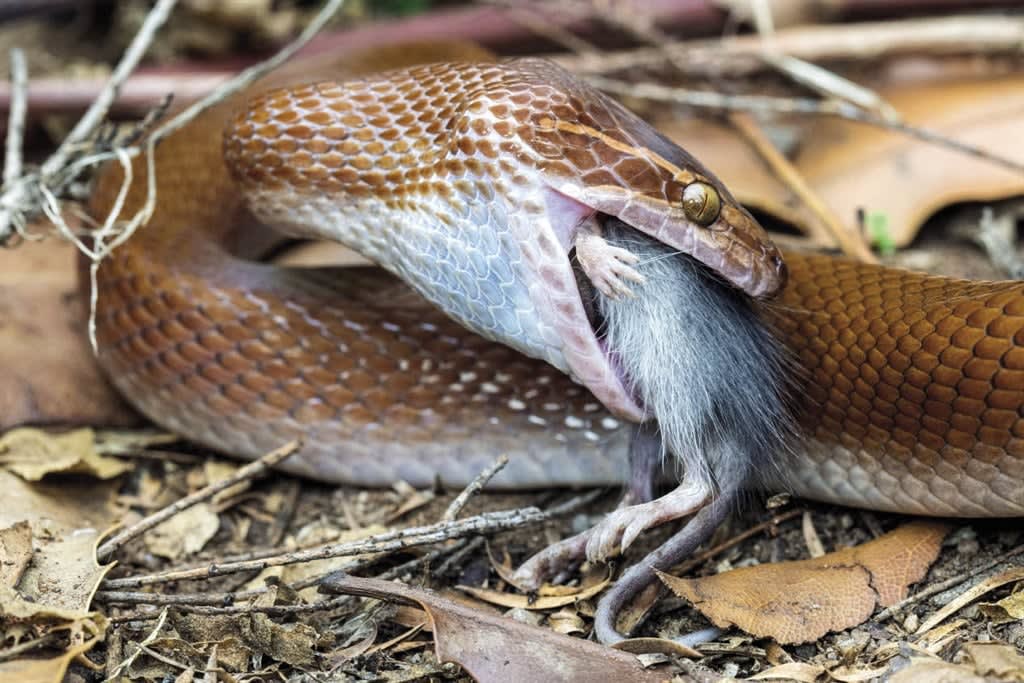
Many people are scared of a snake and they are curios on how to take a control of it. Snakes are natural as other animals but you cannot trust them usually they bite you when you are not vigilant about it. It is impossible to kill a snake without a weapon but you can leave it undisturbed in that way it won't bite you.
If you encounter a snake and feel concerned for your safety, the best approach is to keep a safe distance and slowly back away from it. Snakes generally do not attack humans unless they feel threatened or cornered. Most snake bites occur when people attempt to handle or kill snakes.
If you have snakes around your property and are concerned about safety, you can take preventative measures like:
Removing potential hiding spots: Clear away debris, rocks, and woodpiles where snakes might seek shelter.
Keeping the grass trimmed: Snakes prefer tall grass where they can remain hidden, so keeping your lawn well-maintained can help deter them.
Sealing gaps and holes: Ensure there are no openings in your home's foundation or walls where snakes could enter.
Removing attractants: Snakes are attracted to food sources like rodents, so try to keep your property free of any potential prey.
If you encounter a snake and need assistance in handling it or ensuring it is not venomous, it's best to contact your local wildlife or animal control authorities for guidance. They have the expertise to handle and relocate snakes safely, without causing harm to them or yourself. Remember, the most responsible approach is to coexist with wildlife and respect their role in the environment.
Snakes play a crucial role in maintaining the balance of ecosystems in various ways. As predators, they help control populations of prey species, thereby preventing overpopulation and its subsequent effects on the ecosystem. Here are some ways in which snakes contribute to the balance of ecosystems:
Controlling rodent populations: Many snake species feed on rodents, which can be significant pests in agricultural areas and urban environments. By preying on rodents, snakes help keep their populations in check, reducing the impact of crop damage and the spread of diseases carried by rodents.
Balancing food chains: Snakes are a part of complex food chains, where they serve as both predator and prey. As predators, they regulate the populations of their prey species, and as prey, they provide food for other animals like birds of prey and mammals. This intricate balance is essential for the overall health and stability of the ecosystem.
Biodiversity: Snakes are part of the rich biodiversity in various habitats. Their presence contributes to the overall health and resilience of ecosystems by enhancing species diversity.
Nutrient cycling: When snakes consume prey, they break down organic matter and return essential nutrients to the soil through their feces. This process aids in nutrient cycling and benefits plant growth.
Seed dispersal: Some snake species play a role in seed dispersal by consuming fruits and then transporting seeds to new locations in their digestive tracts. This process helps in the regeneration of plant populations and contributes to maintaining plant diversity.
Natural pest control: Snakes feed on a wide range of insects and other invertebrates, acting as natural pest controllers in their respective habitats.
It's essential to understand and appreciate the role each species plays in the ecosystem and to recognize the value of preserving biodiversity. Snakes, like all wildlife, deserve respect and protection, and efforts should be made to conserve their habitats and ensure their survival in the wild.
Take care of animals like snakes
About the Creator
Keep reading
More stories from S'phesihle and writers in Lifehack and other communities.
Don't share your wisdom.
Once upon a time, in the tranquil village of Serenella, there lived a wise and pious old man named Elias. Elias possessed immense knowledge and wisdom, garnered from a lifetime of experiences and hardships. However, he firmly believed that wisdom should not be readily shared with others.
By S'phesihle2 years ago in Motivation
How to Hire a Quality Painting Team in Sydney Without the Job Dragging On
A repaint is meant to be a tidy upgrade: cleaner lines, brighter rooms, a place that feels looked-after again. Yet plenty of paint projects in Sydney turn into a slow-motion inconvenience—rooms half usable, dates sliding, and that lingering sense the finish isn’t quite right.
By Evelyn Heardabout 20 hours ago in Lifehack
Early March 2026: 4 Goals Accomplished
It's early March and I've now accomplished my 4th writing goal for the year of 2026. Before diving into the behind-the-scenes of it... why not tell you up front what that accomplishment was? I was published in a 2nd publication for this year. Published in Helix Literary Magazine out of Central Connecticut State University. You can read it for free right now!
By Stephen Kramer Avitabile4 days ago in Writers




Comments
There are no comments for this story
Be the first to respond and start the conversation.