
How to Keep Your Piano Safe in Storage
Your piano deserves nothing less than safe, secure, and specialized storage.
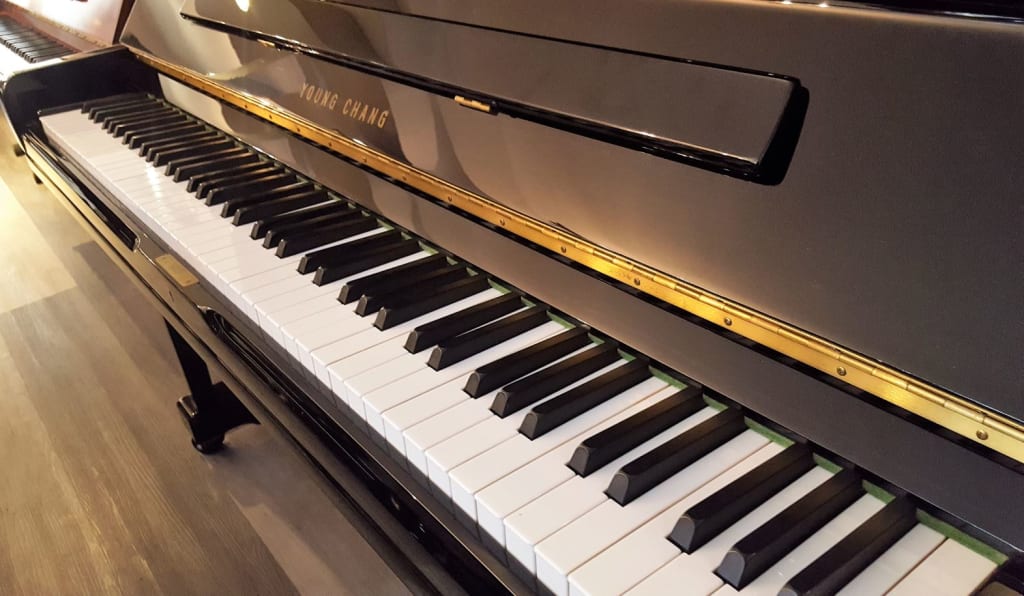
Whether you’re in the middle of a move, downsizing, or simply in need of a temporary solution, storing a piano is not as simple as parking it in a corner of a garage. Pianos are complex instruments with delicate wooden components, finely tuned strings, and sensitive inner workings. Improper storage can lead to irreversible damage, including warping, cracking, and mold growth. For anyone seeking reliable piano storage Denver options, it’s essential to choose a facility that offers more than just space—it should provide protection, cleanliness, and accessibility.
Climate-Controlled Environment
One of the most critical aspects of piano storage is climate control. Pianos are highly susceptible to changes in temperature and humidity, which can affect their structure and tuning stability.
1. Prevents Warping and Cracking
A piano's wooden components, including the soundboard, bridges, and case, can easily warp or crack if exposed to fluctuating humidity. This damage is often permanent and can significantly affect both the instrument’s appearance and sound quality. Climate control stabilizes moisture levels, protecting the wood from expansion and contraction.
2. Protects Strings and Action Components
High humidity can cause rust to develop on strings and metal action parts, while low humidity can cause felt bushings to shrink or harden. These issues can disrupt the action mechanism, leading to sluggish keys or noisy play. A consistent environment preserves the delicate balance needed for smooth operation.
3. Preserves Tuning Stability
Frequent temperature swings can cause the wooden pin block to shift, which in turn loosens tuning pins and throws the piano out of tune. A climate-controlled unit keeps these swings minimal, ensuring the instrument stays closer to pitch even during long-term storage.
Security Measures
A piano is not only a valuable instrument but often a sentimental investment. Security should be a top priority when choosing a storage facility.
1. 24/7 Video Surveillance
Continuous surveillance deters theft and allows management to review footage if any incident occurs. Cameras placed at all entrances exits, and hallways help monitor activity and ensure your piano is under watch at all times. This added layer of monitoring can be crucial in case of disputes or emergencies.
2. Keypad or Keycard Entry
Only approved persons are allowed entry to the facility through controlled access. Unique access codes or keycards track who comes and goes, helping to prevent unauthorized entry and adding an extra level of accountability. It also minimizes the risk of random foot traffic that can occur in open-access storage lots.
3. On-Site Personnel
Facilities with staff on duty—either during business hours or 24/7—can provide immediate assistance in case of issues. On-site employees can check on units, manage emergencies like fire alarms or power outages, and offer additional peace of mind. They also serve as a visible deterrent to vandalism or tampering.
Clean, Pest-Free Conditions
Even the most secure and climate-controlled facility won’t protect a piano if it’s infested with pests. Rodents and insects can cause substantial damage, both visible and hidden.
1. Rodent Damage to Wood and Felt
Mice and rats are attracted to dark, quiet spaces and may chew on wood, felt, and insulation—materials that are all present in a piano. This can lead to ruined hammers, broken keys, and compromised interior structures. Their droppings can also create unsanitary conditions that further damage the instrument.
2. Insect Infestation
Insects like termites, cockroaches, or silverfish may feast on wood, glue, or felt components, leaving behind damage that isn’t always immediately noticeable. Over time, this can lead to structural instability or unpleasant odors. Infestation can even spread to other belongings if not detected early.
3. Dust and Mold Accumulation
A poorly maintained unit may allow dust to settle into the soundboard, keyboard, and internal mechanisms, making the piano dirty and harder to clean later. Mold growth, especially in humid or unventilated spaces, can permanently stain the finish or infiltrate interior parts. Cleanliness and ventilation go hand-in-hand with piano preservation.
Accessibility for Professionals
Even when in storage, a piano may need periodic attention. Whether it's a technician performing a tuning, a mover preparing it for transport, or a restorer inspecting its condition, accessibility is a must.
1. Routine Maintenance Needs
Pianos in long-term storage may benefit from occasional check-ins by a technician to ensure there are no early signs of damage. For example, a pro might catch subtle warping or mold before it becomes a major issue. Without access, it’s easy to overlook problems that worsen over time.
2. Preparation for Transport
If the piano needs to be moved again, professional movers may require access to wrap and protect it properly. Some facilities have strict rules about third-party entry, which can delay logistics or require advance approval. Make sure your chosen facility accommodates professional moving teams when needed.
3. Emergency Situations
In case of flooding, HVAC failure, or other emergencies, fast access can be the difference between saving and losing your instrument. Facilities that allow you or your authorized representatives to retrieve or inspect your piano quickly will help you act decisively in urgent situations.
Conclusion
Storing a piano is more than a logistical task—it’s a responsibility. These intricate instruments require care, precision, and protection even while not in use. From climate-controlled environments to advanced security measures, the right storage facility can help preserve your piano’s condition, tone, and value. Cleanliness and pest control are equally vital to prevent long-term deterioration, while professional accessibility ensures you can maintain the instrument as needed. For those exploring piano storage options, taking the time to evaluate these features will go a long way in protecting your investment. Your piano deserves nothing less than safe, secure, and specialized storage.
About the Creator
Keep reading
More stories from Marie Hines and writers in Lifehack and other communities.
Top 7 Signs Your Refrigerator Needs Immediate Repair
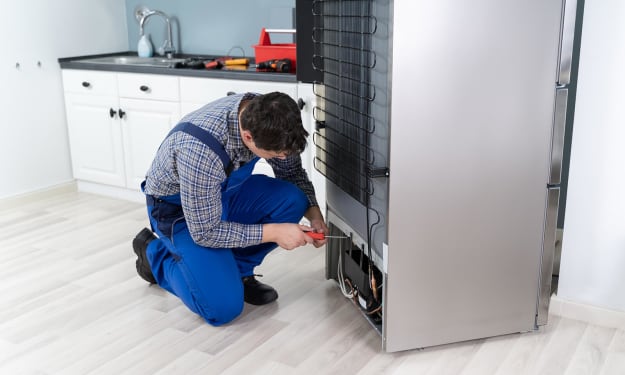
With their constant operation, refrigerators ensure that perishable foods remain fresh and safe for consumption. But eventually, they will break down just like any other machine. Identifying these problems early can prevent food waste, higher energy bills, and more costly repairs down the line. Homeowners often overlook subtle signs until it’s too late. From odd noises to temperature inconsistencies, your refrigerator might be signaling that it needs professional attention. For residents seeking dependable refrigerator repair Orlando services, recognizing these signs early is key to avoiding emergencies and extending the lifespan of your appliance.
By Marie Hines9 months ago in Lifehack
Work Less, Create More: Why Smart Creators Are Delegating Their Work
What once required a publishing company can now be done with a laptop, a website, and a strong idea. But as many bloggers quickly discover, running a successful online platform involves far more than writing articles.
By Bella Clumabout 20 hours ago in Lifehack
Wedding RSVPs Made Easy: A 2026 Planning Guide
Couples are juggling timelines, vendors, budgets, travel schedules, and guests who live on their phones. Because of that, the RSVP process has changed dramatically. What once depended on mailed cards and handwritten responses has shifted into a digital first system built around speed and clarity.
By Vala Flynnabout 21 hours ago in Lifehack


Comments
There are no comments for this story
Be the first to respond and start the conversation.