
How to Improve Mental Health Through Daily Routines?
Simple strategies for boosting mental well-being: Incorporating relaxation, meditation, and physical activity into your everyday life

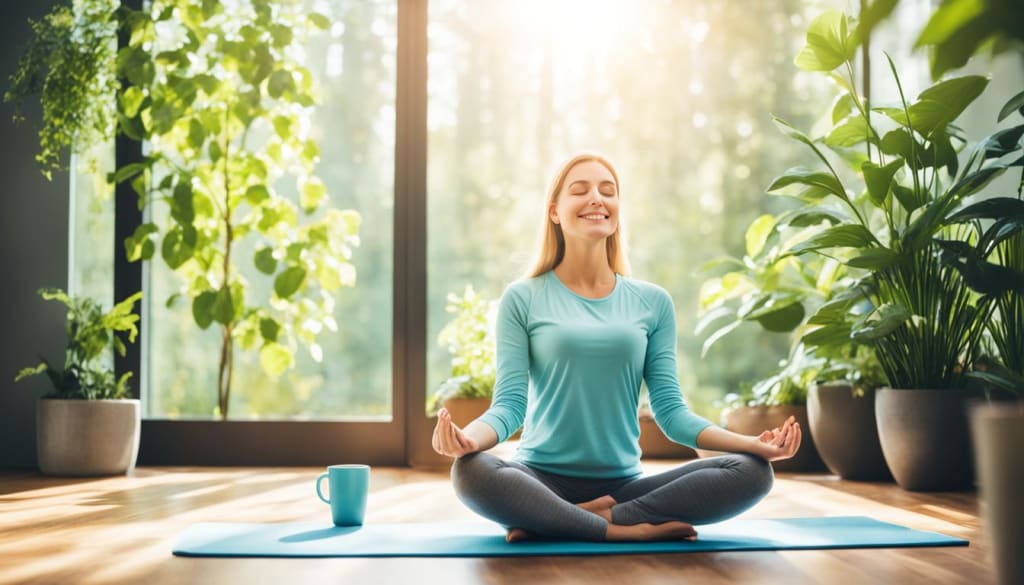
In today's fast-paced world, taking care of your mental health is key. It might seem hard, but your daily habits can help. By adding simple, effective practices to your day, you can boost your emotional well-being. This leads to a healthier, happier life.
This article will show you how to improve your mental health with daily routines. You'll learn about relaxation, the good of exercise, and mindful eating. These tips will help you on your path to better mental health.
Key Takeaways
- Daily routines play a crucial role in maintaining and improving mental health
- Incorporating relaxation techniques, such as meditation, can help reduce stress and promote emotional balance
- Regular physical activity has a positive impact on mental well-being
- Establishing a consistent sleep routine is essential for overall mental health and cognitive function
- Mindfulness practices can help you stay present and cultivate a more positive mindset throughout the day
The Importance of Mental Well-being
Keeping our mental health strong is key to our overall health and happiness. When we focus on our emotional well-being, we build the strength and balance needed to handle life's ups and downs. Adding purposeful daily habits can greatly improve our mood, help us manage stress better, and make us feel more fulfilled.
Understanding the Impact of Mental Health
Our mental health affects every part of our lives, from our relationships and job performance to our physical health. Being mentally healthy helps us deal with life's challenges, enjoy the moment, and build strong connections with others. On the other hand, poor mental health can cause depression, anxiety, and burnout.
The Benefits of Cultivating Daily Routines
Adding intentional daily habits and routines can greatly improve our mental health. These habits can include:
- Regular exercise to boost mood and release endorphins
- Mindfulness or meditation to lower stress and improve focus
- Keeping a consistent sleep schedule for better brain function
- Eating a balanced, nutritious diet
- Being around a supportive group of friends
By making these activities part of our daily life, we create a sense of order, control, and well-being. This positively affects our mental and emotional health.
"The greatest weapon against stress is our ability to choose one thought over another." - William James
Incorporate Relaxation Techniques
Improving your mental health means adding relaxation techniques to your daily life. Stress and anxiety can harm your well-being. But, by using relaxation practices, you can lessen their effects and feel more balanced and strong.
Deep breathing exercises are a great way to relax. Slow, deep breaths activate the parasympathetic nervous system, which helps your body relax. This simple method can ease stress, reduce tension, and bring calmness.
Progressive muscle relaxation is another effective technique. It involves tensing and then relaxing different muscle groups. When combined with deep breathing, it leads to deep relaxation and stress relief.
Mindful meditation is also great for your mental health. It focuses on the now, without judgment. This practice helps reduce anxiety, improve mood, and increase well-being.
"Relaxation is not just a luxury, but a necessity for optimal mental health and well-being."
Adding these relaxation techniques to your daily life can greatly improve your mental health. Taking time to pause, breathe, and practice tranquility can make you more resilient and happy.
The Power of Meditation
Meditation is a powerful way to improve your mental health and well-being. It helps you quiet your mind and focus on now. This leads to more mindfulness, less stress and anxiety, and stronger emotional strength.
Different Types of Meditation Practices
There are many meditation techniques, each with its own benefits. Some popular ones include:
- Mindfulness Meditation: This practice helps you stay present and pay attention to your thoughts, feelings, and body without judging them.
- Transcendental Meditation: This method involves silently repeating a special mantra to reach a deep relaxation and peace.
- Body-Focused Meditation: These include activities like yoga or tai chi that link your mind and body through breath and movement.
Finding the Right Meditation Style for You
It's important to find a meditation practice that fits you. Try different styles to see what works best. Don't worry if it takes time to find the right one. The aim is to pick a technique that you can easily do daily and that improves your mental and emotional health.
"Meditation is not about becoming a different person, a new person, or even a better person. It is about training in awareness and learning to be present."
- Jon Kabat-Zinn
Mental Health and Physical Activity
Keeping your mind and body healthy is key. Regular exercise greatly improves mental well-being. It can make you feel happier, less stressed, and support your mental health benefits.
Here are easy yet effective ways to stay active for your mental health:
- Take a brisk daily walk to clear your mind and get your body moving.
- Try yoga or stretching to improve flexibility and reduce tension.
- Join group fitness classes to stay motivated and socialize.
- Do outdoor recreational activities like hiking, cycling, or swimming to connect with nature.
It's important to pick physical activities you enjoy. This way, you'll stick with it. Even a little bit of exercise can greatly improve your mental health.
"Regular physical activity is one of the most powerful tools we have to improve mental health. It can reduce symptoms of depression and anxiety, boost mood, and enhance cognitive function."
Adding physical activity to your daily routine is a great way to boost your mental health. Try out different exercises to see what suits you best. Your mind and body will be grateful.
Establish a Consistent Sleep Routine
Keeping a steady sleep schedule is key for your mental health. It helps your body get into a rhythm, making you feel refreshed. A consistent sleep pattern can make your sleep better and longer, boosting your overall health.
Sleep Hygiene Tips for Better Rest
Good sleep habits can make your sleep much better. Here are some tips to help you sleep well and wake up refreshed:
- Stick to the same bedtime and wake-up time every day, even on weekends, to keep your body clock in check.
- Do something calming before bed, like taking a warm bath, reading, or stretching, to tell your body it's time to sleep.
- Make sure your bedroom is dark, cool, and quiet for the best sleep.
- Don't use electronic devices like phones or tablets before bed because the blue light they give off can mess with your sleep.
- Drink less caffeine and alcohol, as they can make it hard to fall and stay asleep.
"Consistent sleep routines are essential for mental health. They help regulate our body's natural rhythms, leading to better rest and improved overall well-being."
Adding these sleep tips to your daily life can help you sleep better and support your mental health.
Cultivate Mindfulness in Daily Life
Embracing mindfulness means being fully aware of the present moment. It's a powerful way to boost your mental health and well-being. By adding mindfulness to your daily life, you can become more attentive and focused. You'll also connect better with your thoughts, feelings, and body.
Practicing Mindfulness Throughout the Day
Mindfulness isn't just for meditation. You can bring it into your everyday life. Here are some tips to help you stay mindful all day:
- Be present during your morning routine. Notice the sensations and experiences as you brush your teeth, take a shower, or eat breakfast.
- When commuting or doing errands, pay attention to the sights, sounds, and feelings around you. Don't let your mind wander.
- Stay focused on your work or chores. Avoid multitasking and distractions.
- Enjoy your meals by savoring each bite. Notice the flavors, textures, and smells.
Small moments of mindfulness each day can train your mind to stay present. This can greatly improve your mental health and well-being.
"Mindfulness is about being fully awake in our lives. It is about perceiving the exquisite vividness of each moment."
- Jon Kabat-Zinn
Adding mindfulness to your life takes time and effort, but it's worth it. With patience and commitment, you can develop a strong sense of present-moment awareness. This can reduce stress, improve focus, and support your mental health practices.
Mental Health and Healthy Eating Habits
Eating the right foods can greatly improve your mental health and overall well-being. Adding foods that boost your mood to your diet helps your brain work better. It also helps you feel more emotionally stable and clear-headed.
Nutritious Foods for Mental Well-being
Some foods are great for your mental health. These mood-boosting foods are full of vitamins, minerals, and nutrients. They can lessen stress, make you feel happier, and support a healthy mental health.
Omega-3 fatty acids in fish like salmon and tuna help reduce inflammation and boost brain function.
- Complex carbs in whole grains, fruits, and veggies give you steady energy and help keep serotonin levels stable. This can calm your mind.
- Probiotics in fermented foods like yogurt and kimchi support gut health, which is key to mental health.
- Antioxidants in berries and leafy greens protect your brain from damage caused by stress and inflammation.
By choosing nutrition wisely and eating these mood-boosting foods regularly, you can improve your mental health. This leads to a healthier, more balanced life.
"The food you eat can be either the safest and most powerful form of medicine or the slowest form of poison." - Ann Wigmore
Building a Support System
Keeping up with mental health and emotional well-being is a journey. It often needs the help of others. Having a strong support system is key to handling stress, boosting mental health, and feeling connected.
Having a support system lets you share your experiences and feelings with trusted people. Being around those who truly care about you offers the support you need. They give you validation, empathy, and encouragement to get through tough times.
- Find close friends, family, or colleagues who will listen and support you.
- Look for support groups, online or in-person, to meet others with similar mental health issues.
- Think about talking to a mental health expert, like a therapist or counselor, for professional advice and support that fits your needs.
Your social support network isn't just about people you know. Being part of your community, volunteering, or doing activities you love can also help your emotional health and sense of belonging.
"The greatest gift of human beings is that we have the power of empathy, we can all share pain, it's a very great virtue." - Meryl Streep
By building your social support system, you're creating a base of emotional strength and well-being. This can make life's ups and downs easier and more confident.
Conclusion
In conclusion, daily routines and habits can greatly improve your mental health and well-being. Practices like relaxation, meditation, exercise, regular sleep, and mindfulness help support your emotional and mental health. These practices form a holistic approach to better health.
Your mental health is as crucial as your physical health. Small, consistent changes in your daily life can boost your resilience and reduce stress. By following the strategies in this article, you can make these changes a part of your life. This will help your mental health and improve your overall quality of life.
Improving your mental health through daily routines is a journey. Be patient and kind to yourself as you go. With dedication and a focus on your well-being, you can use daily habits to transform your mental health. Take it one step at a time.
FAQ
What is the importance of mental well-being?
Mental well-being is key to your overall health and life quality. It helps you bounce back from tough times, stay in a good mood, and handle stress better.
How can incorporating daily routines benefit my mental health?
Daily routines help your mental health by giving you structure, making you relax, and encouraging healthy habits. They cut down stress, make you feel happier, and boost your overall well-being.
What are some effective relaxation techniques I can incorporate into my daily routine?
Good relaxation techniques include deep breathing, progressive muscle relaxation, and mindfulness. Doing these regularly can ease stress and bring you mental peace.
How can meditation benefit my mental health?
Meditation can change your mental health for the better. It includes mindfulness, transcendental, and body-focused types. These can lower anxiety, improve focus, and help you manage your emotions better.
What are the mental health benefits of physical activity?
Being active regularly boosts your mental health. Exercise lifts your mood, lowers stress, and builds psychological strength. Adding movement to your day can deeply improve your mental health.
Why is it important to establish a consistent sleep routine?
A steady sleep routine and good sleep habits are key for your mental health. Good sleep improves your mood, brain function, and emotional balance. These are vital for feeling good overall.
How can cultivating mindfulness in daily life benefit my mental health?
Being mindful every day keeps you in the moment, lowers stress, and increases emotional well-being. Mindfulness, like fully engaging in daily tasks, can make a big difference in your mental health.
How does nutrition impact mental health?
What you eat affects your mental health a lot. Eating foods that boost your mood can help your brain work better, keep your emotions stable, and support your mental health.
Why is it important to build a support system for mental health?
Having a supportive network, through friends, professionals, or a caring community, is great for your mental health. It makes you more resilient, offers emotional support, and helps you feel like you belong.
About the Creator
Danilo Scepanovic
I craft engaging and informative content using AI tools, turning complex topics into easily digestible articles. My approach blends creativity with technology to deliver unique perspectives and valuable insights.
Keep reading
More stories from Danilo Scepanovic and writers in Lifehack and other communities.
How to Find Balance Between Work and Personal Life
Are you finding it hard to balance work and personal life? You're not alone. Over 60% of people feel stressed trying to manage both. Remember, "Work hard, but don't forget to live." I used to be too tired to enjoy my favorite activities until I found the right balance.
By Danilo Scepanovicabout a year ago in Lifehack
Moving After Selling a Home in the United States: What to Expect From the Process
Selling a home and preparing for a move often happen at the same time, turning an already emotional moment into a complex logistical process. For many homeowners in the United States, this transition is not just about changing addresses. It represents a shift in lifestyle, priorities, and routines, all unfolding under the pressure of deadlines and expectations.
By House Doctor3 days ago in Lifehack



Comments
There are no comments for this story
Be the first to respond and start the conversation.