
How to Finance Your Mobile Home Purchase: Tips from Mobile Home Country
This guide will walk you through everything you need to know about financing your mobile home purchase.


Purchasing a mobile home can be an exciting journey, offering an affordable way to achieve the dream of homeownership. However, navigating the financial side of this purchase can feel a bit overwhelming. Whether you’re a first-time buyer or upgrading to a larger home, understanding your financing options is essential to make the process smooth and stress-free. This guide will walk you through everything you need to know about financing your mobile home purchase.
Understanding Mobile Home Financing
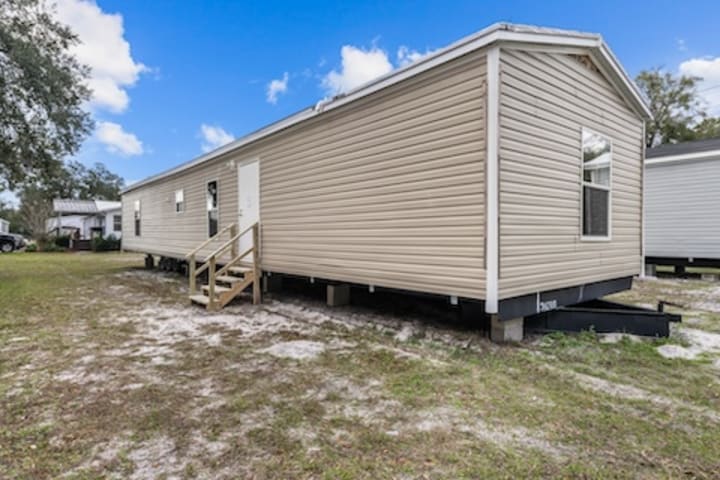
Before diving into the details, it’s important to understand how mobile home financing works. Unlike traditional homes, mobile homes can fall under two categories: personal property (chattel) or real estate. The classification depends on whether the home is permanently affixed to land that you own. This distinction influences your financing options.
Chattel Loans vs. Mortgage Loans
- Chattel Loans: These loans are designed for mobile homes classified as personal property. They typically have shorter terms and slightly higher interest rates than traditional mortgages. Chattel loans are ideal if you plan to place your mobile home on leased land or in a park.
- Mortgage Loans: If your mobile home is permanently attached to land that you own, you may qualify for a traditional mortgage. These loans usually offer lower interest rates and longer repayment terms, making monthly payments more manageable.
Step 1: Determine Your Budget
The first step in financing your mobile home is understanding your budget. Knowing how much you can afford helps narrow down your options and ensures that you don’t overextend yourself financially.
How to Calculate Your Budget
- Assess Your Income: Calculate your monthly income and factor in any other sources of revenue.
- Account for Expenses: Include rent or land lease fees, utilities, maintenance costs, and other monthly obligations.
- Plan for a Down Payment: Most financing options require a down payment. Aim for at least 10-20% of the purchase price to secure better loan terms.
Step 2: Check Your Credit Score
Your credit score plays a crucial role in determining your eligibility for mobile home financing. A higher score can help you secure better interest rates and loan terms.
How to Improve Your Credit Score
- Pay Bills on Time: Consistently paying your bills on time can significantly boost your score.
- Reduce Debt: Lower your credit card balances and pay off outstanding loans if possible.
- Avoid New Credit Applications: Too many credit inquiries can negatively impact your score.
Step 3: Explore Your Financing Options
Now that you have a budget and understand your credit standing, it’s time to explore financing options. There are several ways to finance a mobile home, depending on your needs and financial situation.
1. Personal Loans
Personal loans are a flexible option if you need financing for a mobile home not classified as real estate. These loans often have shorter terms and higher interest rates but don’t require you to own land.
2. FHA Loans
The Federal Housing Administration (FHA) offers loans specifically for mobile home buyers. These loans require lower down payments and have more lenient credit requirements, making them a great option for first-time buyers.
3. VA Loans
If you’re a veteran or active-duty military member, you may qualify for a VA loan. These loans often come with no down payment and competitive interest rates.
4. Manufacturer Financing
Many mobile home manufacturers offer in-house financing options. While convenient, it’s essential to compare rates and terms to ensure you’re getting a fair deal.
5. Credit Unions and Banks
Local credit unions and banks may also offer loans for mobile home purchases. Building a relationship with a lender can sometimes help you secure better terms.
Step 4: Gather Required Documentation
To apply for financing, you’ll need to provide several documents to your lender. Being prepared can streamline the process and reduce delays.
Commonly Required Documents
- Proof of income (pay stubs, tax returns, or bank statements)
- Credit history
- Identification (driver’s license or passport)
- Information about the mobile home (price, size, and location)
- Details about the land (if applicable)
Step 5: Compare Loan Offers
Not all loans are created equal, so it’s essential to compare offers from multiple lenders. Look beyond the interest rate and consider other factors such as fees, loan terms, and flexibility.
What to Look For
- Interest Rate: Lower rates reduce the total cost of the loan.
- Loan Term: Longer terms mean smaller monthly payments but more interest over time.
- Fees: Watch out for hidden fees like origination fees or prepayment penalties.
- Customer Service: Choose a lender with a reputation for excellent support.
Step 6: Plan for Additional Costs
Owning a mobile home comes with additional expenses that you should factor into your financial plan. These include:
- Land Costs: Whether leasing or purchasing land, this can be a significant expense.
- Maintenance and Repairs: Budget for regular upkeep to keep your home in good condition.
- Insurance: Mobile home insurance is essential to protect your investment.
- Utilities: Don’t forget about water, electricity, and other utilities.
Final Thoughts
Financing your mobile home purchase doesn’t have to be intimidating. By understanding your options, preparing your finances, and working with reputable lenders like Mobile Home Country, you can make your dream of owning a mobile home a reality. Remember to take your time, compare offers, and choose the financing option that best fits your needs. Happy home buying!
About the Creator
Keep reading
More stories from juliamartins and writers in Lifehack and other communities.
Top 10 Tips for Analyzing 360 Survey Results for Executives
360-degree feedback surveys are powerful tools that can provide executives with invaluable insights about their leadership strengths and areas for improvement. These surveys gather feedback from multiple perspectives—peers, subordinates, supervisors, and even self-assessment—to give a well-rounded view of an executive’s leadership performance. However, analyzing the results can be overwhelming, especially when dealing with a lot of feedback and data.
By juliamartinsabout a year ago in Lifehack
The Real Reason You’re Burned Out — And It’s Not Lack of Grit
Burnout gets framed as a personal failure. Not disciplined enough. Not organized enough. Not gritty enough. But here’s the truth: you’re not burned out because you’re weak. You’re burned out because you’re human — in a culture that demands you operate like a machine.
By Tracy Stine6 days ago in Lifehack
How to Save Money When You Live Paycheck to Paycheck
Saving money feels impossible when paying bills and putting food on the table becomes a weekly struggle. It seems like Pac-Man swoops in and gobbles up all the bills the second your paycheck hits the bank. But there’s always room to save. Life happens. It's better to be prepared for those rainy days than caught in the storm. Get your savings on by making small lifestyle changes. A few tweaks can help uncover money you didn’t realize you had. Put the money toward your nest egg and leave one worry behind. Check out the simple ways you can reduce costs and save money.
By Criminal Mattersa day ago in Lifehack



Comments
There are no comments for this story
Be the first to respond and start the conversation.