
How to Create a Seamless Patient Check-In Experience with Technology
Boost Patient Satisfaction and Streamline Front Desk Operations with Digital Check-In Solutions
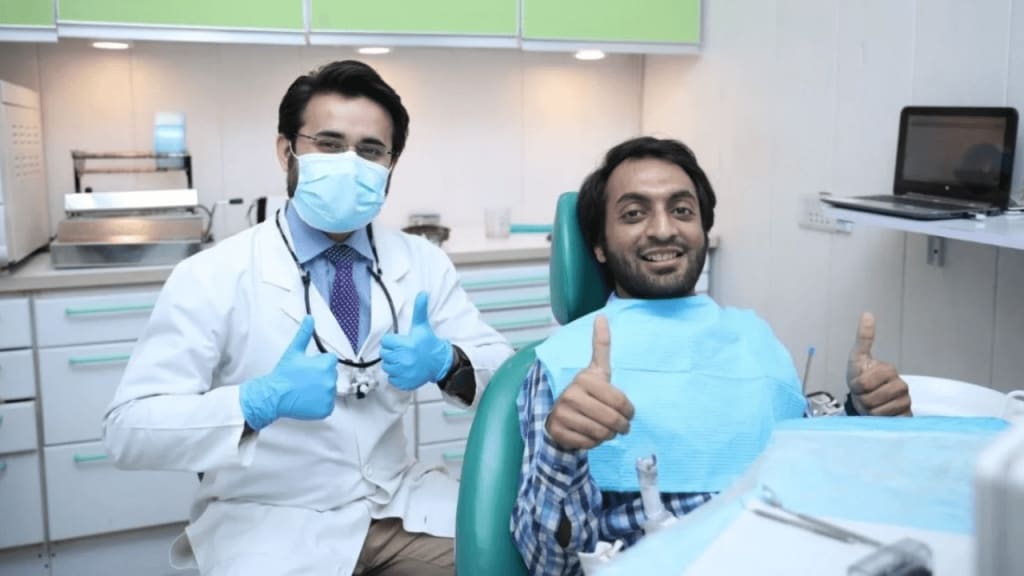
In today’s healthcare landscape, patient expectations have shifted dramatically. No longer satisfied with long wait times and repetitive paperwork, patients now demand a faster, more convenient, and personalized experience, starting from the moment they walk through the door. One of the most impactful ways healthcare providers can meet these expectations is by transforming the check-in process using modern technology. Solutions like the Ultimate Dental Management System by Instacare help streamline front-desk operations, enabling a seamless digital check-in experience that not only reduces waiting times but also improves patient satisfaction, enhances data accuracy, and boosts overall clinic efficiency.
Why a Smooth Check-In Experience Matters
The check-in process is often the very first interaction a patient has with a healthcare facility. A clunky, outdated, or inefficient process can set the tone for the entire visit and negatively impact patient trust and overall satisfaction. On the other hand, a digital, user-friendly system can enhance comfort, build confidence, and make patients feel that their time is valued. In addition to patient satisfaction, a smooth check-in process helps clinics reduce administrative workloads, minimize errors, and improve operational flow.
Begin with Digital Pre-Check-In
One of the most effective ways to create a seamless experience is to let the process begin before the patient arrives at the facility. Digital pre-check-in enables patients to complete paperwork online, update personal and insurance information, and sign consent forms from the comfort of their homes. This not only saves time on arrival but also reduces the likelihood of data entry mistakes and paper waste. Pre-check-in can be facilitated through mobile apps, emails, or secure web portals. It’s a simple step that drastically reduces bottlenecks at the front desk.
Introduce Self-Service Kiosks
For those patients who haven’t completed pre-check-in, or even for those who have, self-service kiosks offer a convenient option to complete the process upon arrival. These touch-screen kiosks allow patients to check in, verify their identity, confirm appointment details, and make payments without needing to interact with front desk staff. Kiosks help reduce human error, speed up the flow of traffic in busy waiting rooms, and maintain social distancing by minimizing face-to-face interactions—an important consideration in a post-pandemic world.
Embrace Mobile Check-In and Geofencing
Another layer of convenience can be added by enabling mobile check-in. Patients can check in from their smartphones as they approach the facility or from the parking lot, allowing for a safer and more comfortable waiting experience. Geofencing technology takes this a step further by automatically triggering the check-in process once a patient enters a designated area around the clinic. This system can alert the front desk of the patient's arrival and direct them to the appropriate room or waiting area via app notification, reducing congestion and improving the overall patient flow.
Seamless Integration with EHR Systems
For check-in technology to be truly effective, it must integrate seamlessly with the clinic or hospital’s Electronic Health Records (EHR) system. This ensures that all updated information—be it medical history, insurance details, or contact info—syncs directly with the patient’s file, eliminating the need for redundant data entry. EHR integration not only saves time but improves communication between departments and ensures that medical professionals have the most accurate and up-to-date information before seeing the patient.
Prioritize Accessibility and Inclusion
A seamless check-in process should be accessible to all patients, regardless of language, age, or ability. Digital check-in tools must include multilingual support, offer voice command features for those with vision impairments, and provide easy navigation for older adults or those unfamiliar with technology. Screen readers, large fonts, and visual cues are simple yet powerful ways to ensure inclusivity. Remember, the goal is to remove barriers, not introduce new ones.
Ensure Data Security and Compliance
While convenience is key, security cannot be compromised. Any digital check-in system must be fully compliant with healthcare data protection regulations like HIPAA (in the U.S.) or GDPR (in Europe). This means using secure login protocols, encrypted data transmission, and limited access controls to protect sensitive patient information. Patients must be assured that their medical and personal data is safe, especially when dealing with digital platforms.
Keep Evolving Through Patient Feedback
Once a new digital check-in process is in place, it’s essential to collect feedback from patients and staff to identify pain points and opportunities for improvement. A short survey at the end of the check-in process can provide insights into what works and what doesn’t. Are patients finding the process intuitive? Are there technical issues? Use this feedback to continuously refine the system and ensure it remains patient-centric.
Benefits for Healthcare Providers
While the patient experience is crucial, the advantages for clinics and hospitals are just as impactful. Streamlined check-in processes lead to fewer errors, faster appointment turnover, and reduced staff burnout. Administrative teams spend less time verifying paperwork, and clinicians have access to accurate data more quickly. Ultimately, improving the check-in process translates into higher patient retention, better reviews, and an overall boost in operational efficiency.
Technologies That Power Seamless Check-Ins
To summarize the key technologies that make a frictionless check-in possible, here are the essential tools healthcare providers should consider:
Patient Portals – For pre-registration, document upload, and appointment confirmations.
Mobile Apps – Allow mobile check-in, updates, and notifications.
Self-Service Kiosks – Offer in-clinic, quick check-in and payment options.
EHR Integration – Synchronizes data across all patient touchpoints.
Geofencing – Automates check-ins based on patient location.
Digital Payment Systems – Enable contactless billing and co-payments.
AI Chatbots – Help guide patients through pre-check-in and answer common queries.
Final Thoughts
Healthcare is rapidly evolving, and so are patient expectations. The check-in process, once a tedious and overlooked aspect of the patient journey, is now a prime opportunity to deliver value and build trust. By embracing tools like Modern Dental Clinic Software and designing a process centered around convenience, security, and accessibility, healthcare providers can transform this critical first touchpoint into a streamlined, stress-free experience. Modern healthcare is about more than just treating illness—it’s about delivering care that’s fast, efficient, and human-centered. And it all starts at check-in.
About the Creator
Zuraiz Khan
Full Time SEO Expert and Part Time Content Writer
Keep reading
More stories from Zuraiz Khan and writers in Lifehack and other communities.
Top 10 Instagram Marketing Tips for Gyms
In the modern digital age, social media marketing has become a cornerstone for businesses in nearly every industry, including the fitness world. Among the many platforms available, Instagram stands out as a powerful tool for gyms to connect with their community, showcase results, and attract new members. Its visual nature makes it ideal for fitness content, and with more than a billion users globally, the growth opportunities are endless. Whether you run a boutique fitness studio or a large-scale gym, these top 10 Instagram marketing tips can help you grow your brand and boost engagement.
By Zuraiz Khan9 months ago in Lifehack
Why Austin Businesses Overlook Long-Term App Maintenance Costs?
The launch party ends. The app is live. Metrics look promising. For many Austin businesses, that moment feels like the finish line. In reality, it is the starting point of the most expensive phase of the product’s life.
By Samantha Blake7 days ago in Lifehack
Center Stage with Paul Stewart
*** I'm keen to republish the interviews I did for my series with Vocal creators. It's been a few years and I thought it might be nice to revisit these wonderful conversations. I'll be releasing them one at a time for a few weeks/months.
By Heather Hubler6 days ago in Interview




Comments
There are no comments for this story
Be the first to respond and start the conversation.