
How to Create a Lush Balcony Garden
You don’t have to live in the countryside to enjoy a beautiful garden. Then Welcome the balcony garden!

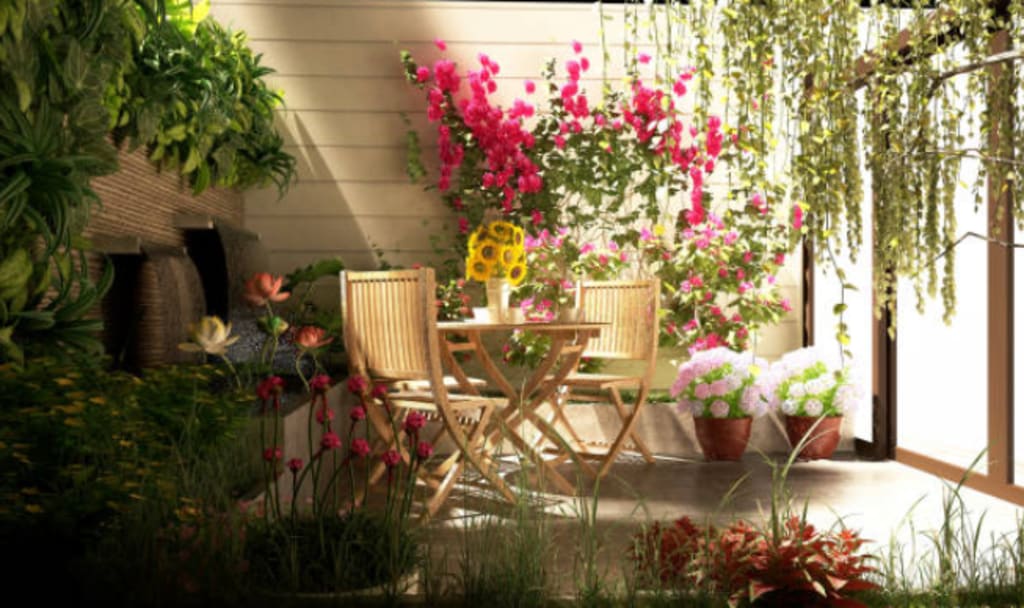
You don’t have to live in the countryside to enjoy a beautiful garden. In fact, many Londoners are finding creative ways to enjoy a thriving green oasis several floors above the city streets. Welcome the balcony garden!
High-rise living is the norm for many folks in Britain. And even if your space is limited, there’s every reason to let your green thumbs shine in your very own patio garden.
Why Should I Create a Balcony Garden?
It’s about more than aesthetics. There are several reasons (some of them not so obvious) why balcony gardens are rising in popularity across the UK:
- Relax, unwind, and re-connect with nature: Everyone needs a happy place where they can throw off the frustrations and stresses of daily life. And your balcony garden can be just that - the perfect place to enjoy a quiet moment at the end of the day, or chat with a friend over coffee.
- Improve mental health: Studies have shown that the therapeutic benefits of gardening are significant. Growing your own plants can help reduce symptoms of stress, anxiety, and depression. It can help improving focus and interrupt harmful thought processes, as well as improving overall happiness and quality of life.
- Fresh air and sunshine: With many of us spending more time than ever inside our own four walls, the chance to get out into the fresh air is always welcome. Why not make your outside time count by spending it in your balcony garden?
- A great family activity: Children love gardening, and the experience of planting, watering, and caring for their very own plants is a great opportunity to teach them about respecting and enjoying nature.
- Enjoy fresh produce: If food crops are part of your plant choice, you can enjoy the experience of eating what you grow - from balcony to plate… it doesn’t get any fresher!
Where Do I Start With my Balcony Garden?
A quick search on online is enough to tell you that there’s plenty of homes and gardens small garden ideas out there! But while the internet is a great place to get ideas, it’s important to remember that there’s no rules when it comes to gardening - your balcony garden is a place to tell a story about yourself and what you love.

1. Is the size of my containers important?
Yes. Knowing how to choose the right plant container is key to a successful potted garden. A container that’s too big or too small may be detrimental to the health of your plant, not to mention the aesthetics of your overall project - large plants kept in small pots may become pot-bound and struggle to maintain moisture, while small plants in oversized pots can easily get waterlogged.
The amount of soil a plant needs (and therefore the size pot you need for it) depends entirely on the root depth of that plant. Small trees and shrubs generally require a depth of 45 - 90cm, while shallow-rooted succulents can thrive in as little as 15cm of soil. Most annuals and flowering plants are somewhere in between, requiring a depth of around 30 - 45cm.
Choosing plants and pots needs to be done simultaneously - either you purchase the pots then find plants that will suit them, or you decide on the plants then buy pots in which they can flourish.
2. Different Types of Planting Containers:
Be prepared to think outside the square when it comes to choosing containers. While the classic terracotta pots and marble urns are always charming, there’s plenty of opportunity for a bit of fun and creativity when it comes to finding suitable planting containers.
Old teapots and teacups, picture frames, wooden pallets, metal buckets, vintage birdcages, kettles, chairs … let your imagination go and enjoy the results.
Think vertical space as well as horizontal - wall planters and hanging pots are a great way to create visual interest and contrast. Make use of your railings too - hanging pots around the perimeter of your balcony is a great way to free up more of the main floor area.
3. Get the Soil Right:
The soil that you put into the container is probably more important than the container itself.
Plants are living things that require water, air, and food to flourish. Your potting mixture must be rich enough to provide the needed nourishment for your plant and porous enough to allow oxygen to get to the roots. It also needs to allow for the drainage of excess water.
Talk to your local nursery or plant supplier about the best sort of soil to use for your choice of plants.
4. Best Plants to Grow on Patio:
Balconies are often exposed, so choose plants that are hardy and reasonably wind tolerant.
Here’s a list of our top 10 picks for your patio garden:
- Citrus - limes, lemons, kumquats, oranges
- Olives - naturally shallow-rooted and perfect for the Mediterranean style home
- Conifers - hardy, slow-growing evergreens that can provide year-round interest and style
- Pansies - sunny little annuals to brighten up any empty corner or window box
- Marigolds - hardy, insect repelling plants that provide stunning pops of colour
- Morning Glory - perfect trailing plant for balconies and patios. Prolific flower display
- Herbs - rosemary, sage, basil, parsley, and thyme all do well in containers.
- Succulents - hardy, shallow-rooted plants that will thrive with minimal attention
- Ornamental grasses - great for adding contrast and texture. Generally hardy and wind-tolerant
- Lavender - classic English favourite with a delicate fragrance
Layer your plants to create visual contrast - for example, a small tree underplanted with colourful annuals always looks stunning. Or combine trailing plants as well as shrubby flowers in hanging pots as a thoughtful, curated display.
Large patio plants and climbing varieties can be cleverly positioned to provide maximum privacy and weather protection.
5. Growing Vegetables in Pots:
Many vegetables grow perfectly well in pots. Spinach, lettuce, peas, beans, and capsicums are all well suited to container life, so why not create your own little market garden right at home?
6. Maintenance:
Maintaining a happy, healthy garden requires dedication and commitment, but the results are extremely satisfying. Watering, pruning, and fertilizing are all necessary to ensure maximum plant health. Including a water and source in your plans will make your job a lot easier.
Check on your green babies daily - early detection of any health issues your plants might develop will make treating them a lot easier.
7. Lighting:
When planning your balcony garden, why not include a few lights to take your collection to the next level? After all, you need to be able to enjoy your outdoor sanctuary even after the sun goes down!
Solar lighting has become popular choice for homeowners who want to minimize their environmental impact. They’re also a great way to ensure that you can enjoy your outdoor fairyland after dark without blowing your electricity budget.
If you don't have a balcony garden want to make space for a balcony garden. Then Choose the best team that helps you create a place so that you may enjoy your very own slice of green, even if you live in an inner-city flat, when you renovate your house.
The team that have the skills and expertise to create beautiful spaces where you can relax and discover your gardening skills.
About the Creator
Amelia Jones
I am Amelia Jones. I am working for building company Combit Construction. We provide high quality building services in North London .
Keep reading
More stories from Amelia Jones and writers in Lifehack and other communities.
Where To Start Home Renovation?
The planning of a renovation is the best tip so that everything goes perfectly and your budget is no more than planned . A renovated and beautiful house is what we all want, but just thinking about renovating, many people give up on the idea. After all, reforms involve choices and costs.
By Amelia Jones5 years ago in Lifehack
The Surprising Way Positive Thinking Can Change Your Life
Let me tell you the story of how I almost didn't win a car. Yup. You've heard it right. A car. But we almost didn't enter the raffles, thinking "Well, out of the thousands that applied, it's impossible to win".
By Anie the Candid Writer Abroad5 days ago in Lifehack



Comments
There are no comments for this story
Be the first to respond and start the conversation.